Things to do in Rome: how this list works
Rome has more listed monuments than any city in Europe, and every guidebook ranks them differently. This page takes a practical view: what can you see in three days without a car, which sights change your understanding of the city rather than just your camera roll, and what does each cost at our last check. The 20 sights below are grouped by area so that each cluster is a half-day on foot.
Ten are free. Three – the Colosseum, the Vatican Museums and the Borghese Gallery – need booking in advance; the Rome tickets hub explains how far ahead. Everything else you buy at the door or skip the ticket entirely.
Ancient Rome: six sights on the Palatine side
1. Colosseum
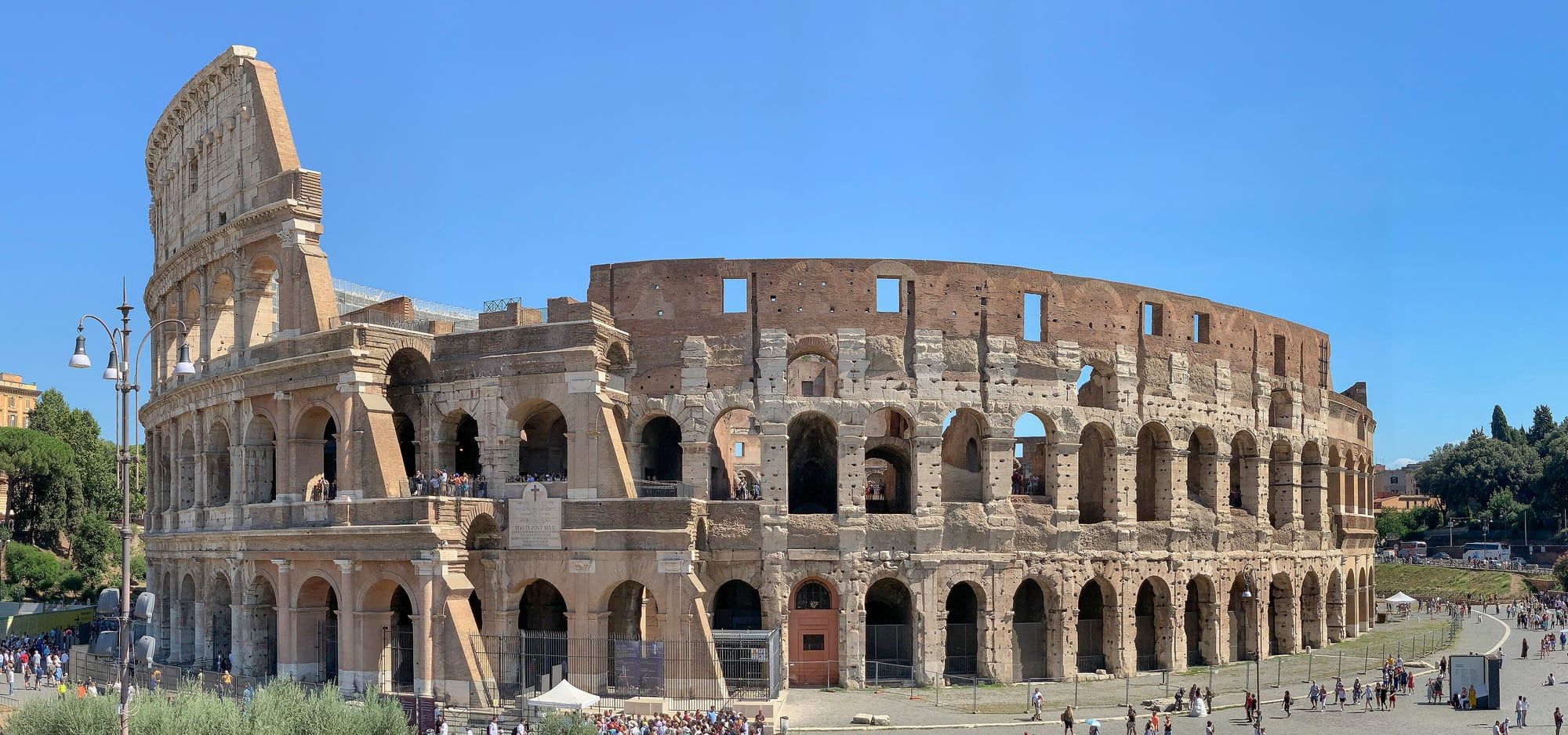
The largest amphitheatre ever built, opened in 80 AD for 50,000 spectators, and still the most visited monument in Italy. A €18 ticket covers the Colosseum, the Roman Forum and the Palatine Hill for 24 hours; the arena floor and underground cost extra and sell out first. Go at 8:30 or after 16:00. Full guide: Colosseum tickets.
2. Roman Forum and Palatine Hill
The Forum is the political centre of the Republic, the Palatine the hill where the emperors built their palaces above it. Enter from Via di San Gregorio, climb the Palatine first for the view over the Forum, then walk down through the temples to the Arch of Septimius Severus. Allow two hours; the ruins have almost no signs, which is why guided tours score so well. Guide: Roman Forum and Palatine.
3. Pantheon
The best-preserved building of ancient Rome, a 43-metre concrete dome with a nine-metre hole in the top, converted into a church in 609. Since 2023 entry costs €5; the queue on Piazza della Rotonda is 10 minutes on weekday afternoons and 40 at weekends. Stand under the oculus when it rains. Guide: Pantheon.
4. Capitoline Museums
The oldest public museum in the world, on the square Michelangelo designed on the Capitoline Hill. The Capitoline Wolf, the bronze Marcus Aurelius and the Dying Gaul are here, plus a window over the Forum that beats any viewpoint outside. Rarely crowded; €15 at the door. Guide: Capitoline Museums.
5. Circus Maximus and the Baths of Caracalla
The chariot-racing stadium is now a long grass valley below the Palatine, free to walk and best at sunset. Ten minutes south, the Baths of Caracalla are the most complete imperial baths in Rome, with mosaics still on the floors and opera in summer. Guide: Circus Maximus.
6. Appian Way and the catacombs
The first Roman highway, closed to traffic on Sundays, lined with tombs and pines. The catacombs of San Callisto and San Sebastiano sit along it; entry is with an obligatory guide, about €10. Rent a bike at the park office or take bus 118. Guides: Appian Way and Catacombs.
The Vatican: three sights across the river
7. Vatican Museums and Sistine Chapel
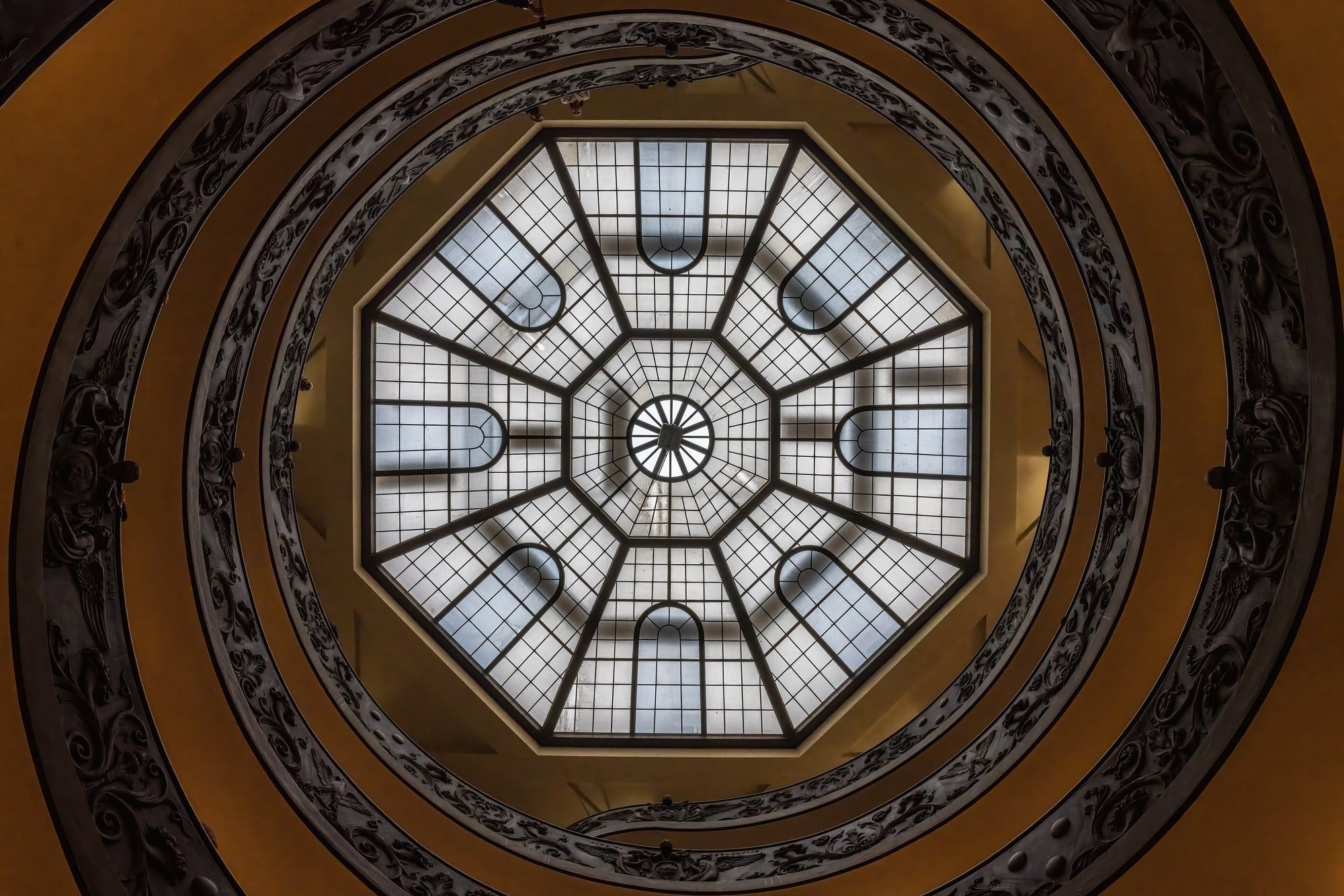
Seven kilometres of galleries ending in Michelangelo’s ceiling. The official ticket is €20 plus €5 online reservation; on Tiqets the fast-track ticket starts at €33.60 and is rated 4.4 from about 48,000 reviews. Book the first slot at 8:00 or arrive after 14:30. Guides: Vatican Museums and Sistine Chapel.
8. St. Peter’s Basilica
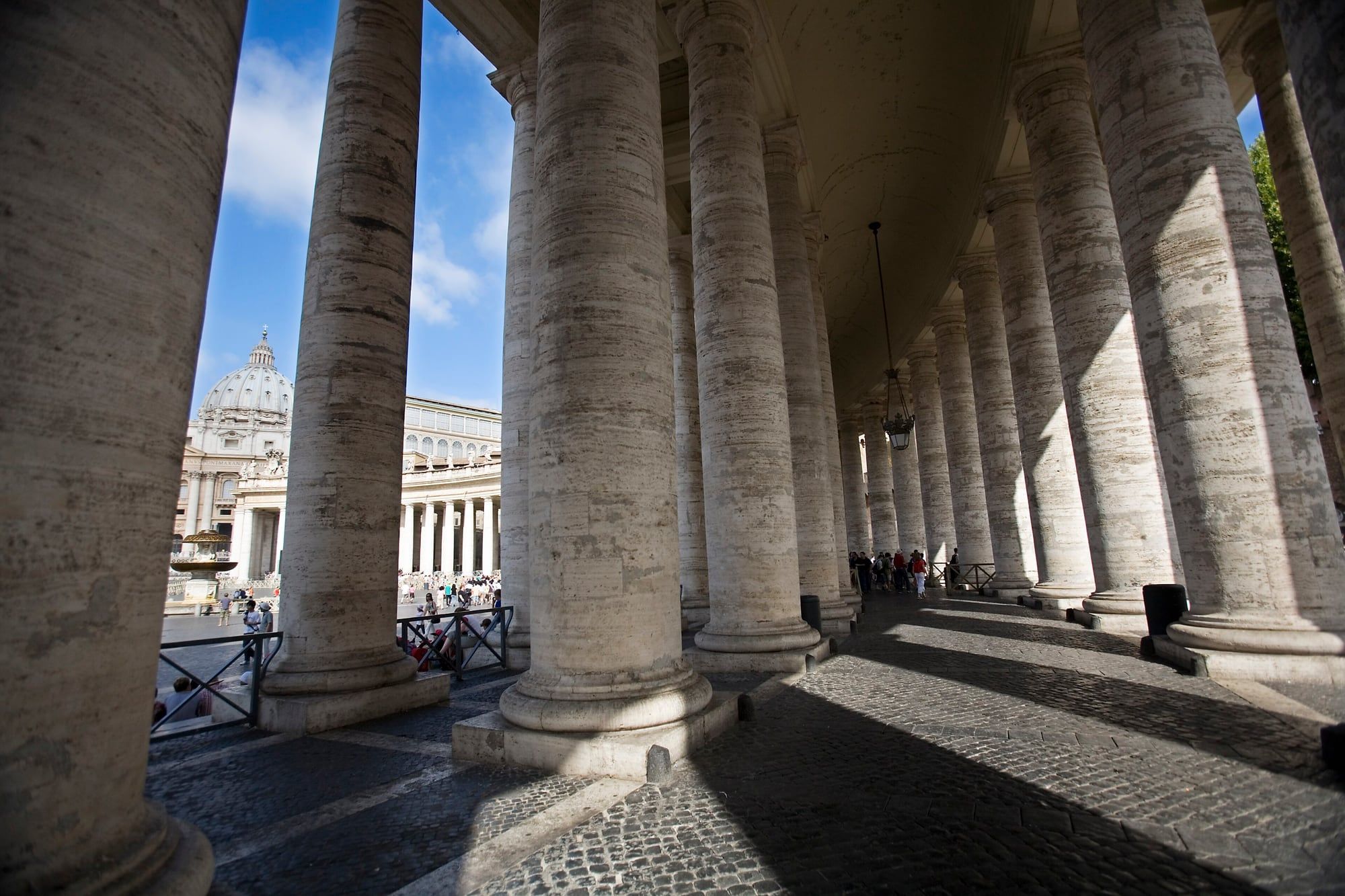
Free to enter, and the largest church in the world. The security queue is the only obstacle; before 8:30 it is ten minutes, at noon an hour. Michelangelo’s Pietà is on the right as you enter; the dome climb (€8–10) is 551 steps or a lift plus 320. Dress code enforced. Guide: St. Peter’s Basilica.
9. Castel Sant’Angelo
Hadrian’s mausoleum turned papal fortress, joined to the Vatican by a walled passage. The spiral ramp, the papal apartments and the terrace with the angel are the reasons to go; the view along the Tiber to St. Peter’s at sunset is the best in Rome for the price (€16). No booking needed. Guide: Castel Sant’Angelo.
Baroque squares and one gallery
10. Trevi Fountain
Rome’s most photographed fountain, finished in 1762, visited by 30,000 people a day. At 7:00 you share it with a street cleaner; at 20:00 with a thousand others. Coin-tossing is free; the underground Vicus Caprarius aqueduct site next door is a €35 guided visit that explains where the water comes from. Guide: Trevi Fountain.
11. Spanish Steps
135 steps between Piazza di Spagna and the church of Trinità dei Monti, in azaleas in April and May. Sitting on them is banned (€250 fine); climbing to the top for the view down Via Condotti is not. The Keats-Shelley House at the foot is a quiet €6 museum. Guide: Spanish Steps.
12. Piazza Navona
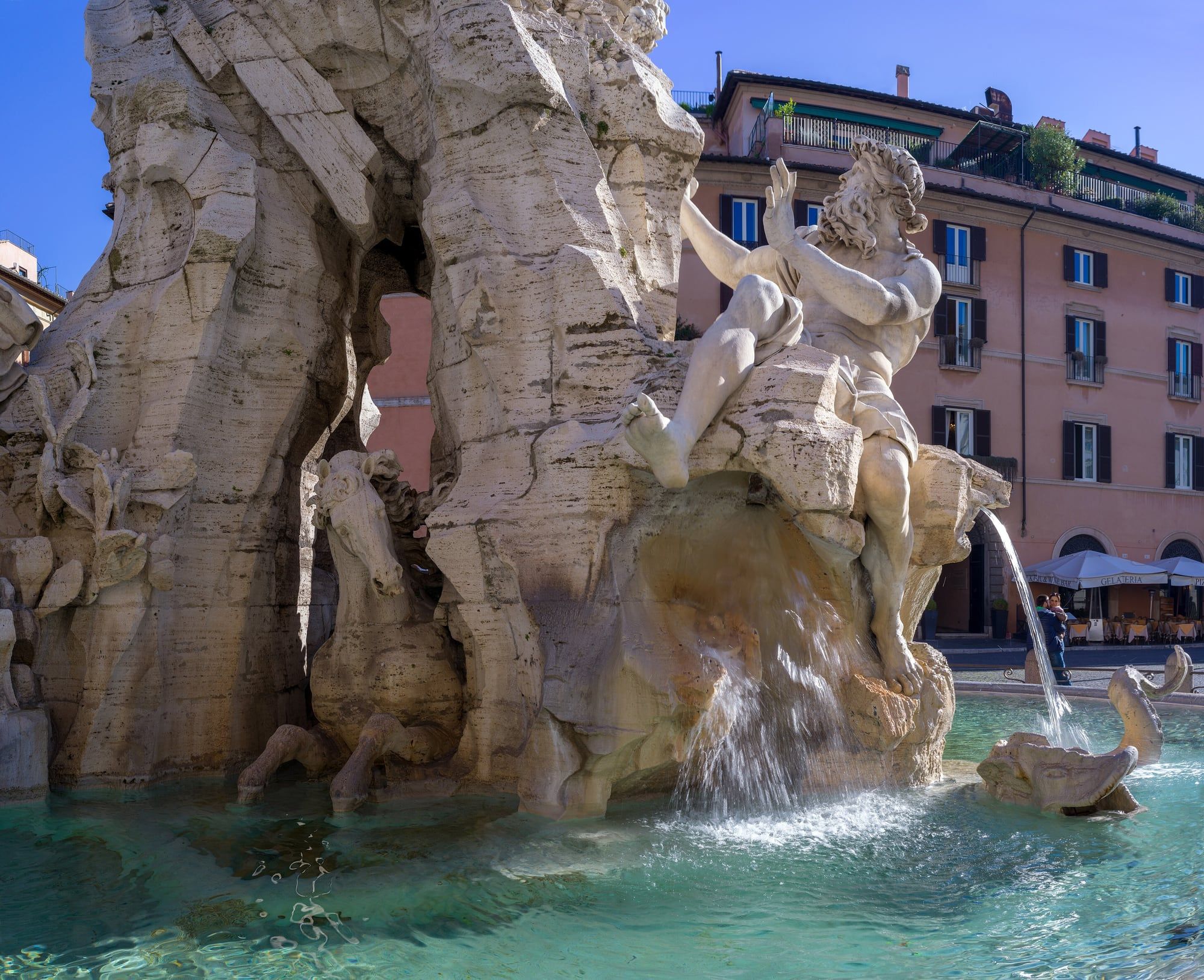
Built on Domitian’s stadium, which you can still see six metres below street level at the north end (€10 on Tiqets). Bernini’s Fountain of the Four Rivers faces Borromini’s Sant’Agnese; the cafés charge €8 for a coffee, so drink it standing at a bar on a side street. Guide: Piazza Navona.
13. Borghese Gallery
The best small museum in Italy: Bernini’s Apollo and Daphne, six Caravaggios, Titian and Raphael in a villa of 20 rooms. Entry is limited to 360 people per two-hour slot, so the rooms are calm. €15 plus €2 booking fee; sold out a week ahead in season. Guide: Borghese Gallery.
Neighbourhoods: where Romans actually live
14. Trastevere
Cobbled lanes, ivy, trattorie and the mosaics of Santa Maria in Trastevere. Cross Ponte Sisto at 18:00, wander north of Viale Trastevere for dinner, then climb to the Gianicolo. Food tours here are the best-rated experiences in the city. Guide: Trastevere.
15. Jewish Ghetto
Four streets between the Theatre of Marcellus and the river, home to the oldest Jewish community in Europe and to carciofi alla giudia. The synagogue museum, the Portico d’Ottavia and the brass memorial stones in the pavement tell the story in 45 minutes. Guide: Jewish Ghetto.
16. Monti, Testaccio and the rest
Monti is the wine-bar quarter behind the Forum; Testaccio is where Roman cooking was invented, around the old slaughterhouse; Prati is the quiet grid behind the Vatican. Each is a half-day of eating and small churches. Guide: Rome neighbourhoods.
Viewpoints: four free ways to see the whole city
17. Aventine Hill and the keyhole
The orange garden (Giardino degli Aranci) looks straight down the Tiber to St. Peter’s dome; two doors along, the keyhole of the Knights of Malta frames the same dome at the end of a hedge. Both free, both best an hour before sunset. Guide: Aventine keyhole.
18. Vittoriano terrace
The white marble monument on Piazza Venezia has free terraces halfway up and a glass lift to the roof (€17) with a 360° view over the Forum, the Colosseum and the domes. Guide: Vittoriano.
19. Gianicolo and Pincio
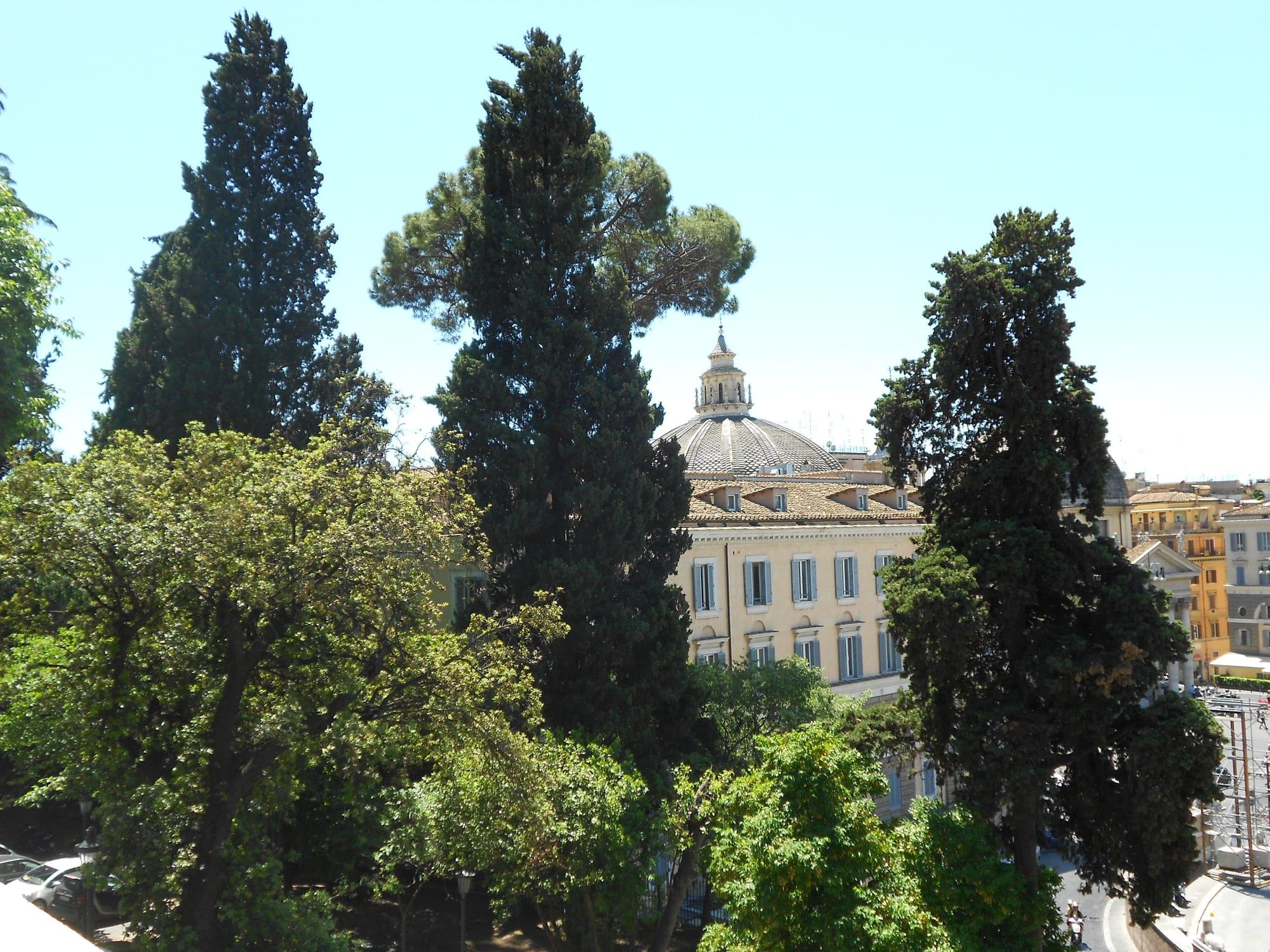
The Gianicolo, above Trastevere, is the classic panorama with a cannon fired at noon; the Pincio, above Piazza del Popolo, is the sunset choice. Both are free and covered in the Vespa tours guide, because that is the easiest way to reach them.
Food: the sight you eat
20. A food tour or cooking class
Cacio e pepe, carbonara, supplì, pizza al taglio and carciofi are the reason many people come back. A guided street food tour in Trastevere costs from €65 and scores 4.9 from about 4,100 reviews; a pasta class from €48 on Tiqets. Both count as things to do, not extras. Guides: Food tours and Cooking classes.
Free vs paid: where the money goes
Of the 20, ten cost nothing. The paid ten, at official our last check prices, add up to about €125 per adult: Colosseum €18, Vatican Museums €25, Borghese €17, Pantheon €5, Capitoline €15, Castel Sant’Angelo €16, catacombs €10, Vittoriano lift €17, plus dome and Domitian stadium. A Roma Pass covers two of these and transport for €58.50; the city passes guide shows when that beats single tickets. Spend where the guide adds most (Colosseum, Vatican) and save where the building speaks for itself (Pantheon, St. Peter’s, the squares). A first-time budget of €150 per adult for three days covers every paid sight on this page plus one food tour. The free Rome page lists 30 more sights that never charge.
Beyond the 20: for a second visit or a fourth day
Once the list above is done, Rome keeps going. The Domus Aurea, Nero’s buried palace under the Oppian Hill, opens for guided visits with a virtual-reality reconstruction on weekends. Villa Medici on the Pincio shows its gardens and the view over Rome on €14 guided visits. Palazzo Doria Pamphilj hangs Velázquez’s portrait of Innocent X in a family gallery still lived in upstairs, and Palazzo Barberini has Caravaggio’s Judith and Raphael’s Fornarina for €15. Cinecittà, the film studios of Fellini and Ben-Hur, is 20 minutes by Metro A. The history and facts page gives the timeline that ties all of this together; the gladiator school is the one attraction children rank above the Colosseum.
A three-day skeleton
- Day 1 – Ancient Rome. Colosseum at 8:30, Forum and Palatine until 12:30, lunch in Monti, Capitoline Museums, Vittoriano terrace at sunset, dinner in the Ghetto.
- Day 2 – Vatican. Museums at 8:00, Sistine Chapel, St. Peter’s by 11:30, dome climb, lunch in Prati, Castel Sant’Angelo, walk to Piazza Navona and the Pantheon for the evening.
- Day 3 – Squares, Borghese, Trastevere. Trevi at 7:30, Spanish Steps, Borghese Gallery slot at 11:00, Villa Borghese and the Pincio, Aventine keyhole at 18:00, Trastevere food tour.
Each day ends within a 20-minute walk of the next morning’s start if you sleep between Piazza Venezia and the Pantheon; from Termini or Prati add a metro ride. The itineraries page turns this into timed plans for one to five days with metro directions; the when to visit guide tells you which months make the plan work.
What to book
Two bookings make the difference between a good and a frustrating first visit: the Colosseum, Forum and Palatine guided tour (from €49) and a Vatican Museums fast-track ticket or tour (from €33.60). Add one evening food tour. Browse everything on GetYourGuide’s things to do in Rome; for a second visit its lesser-known Rome category and viewpoints category go beyond this list.
Things to do in Rome do not run out after 20; they run out after 200. Start with these, book the three that sell out, and leave one afternoon empty for the church, market or view you find on the way.