What a Palazzo Barberini ticket gets you
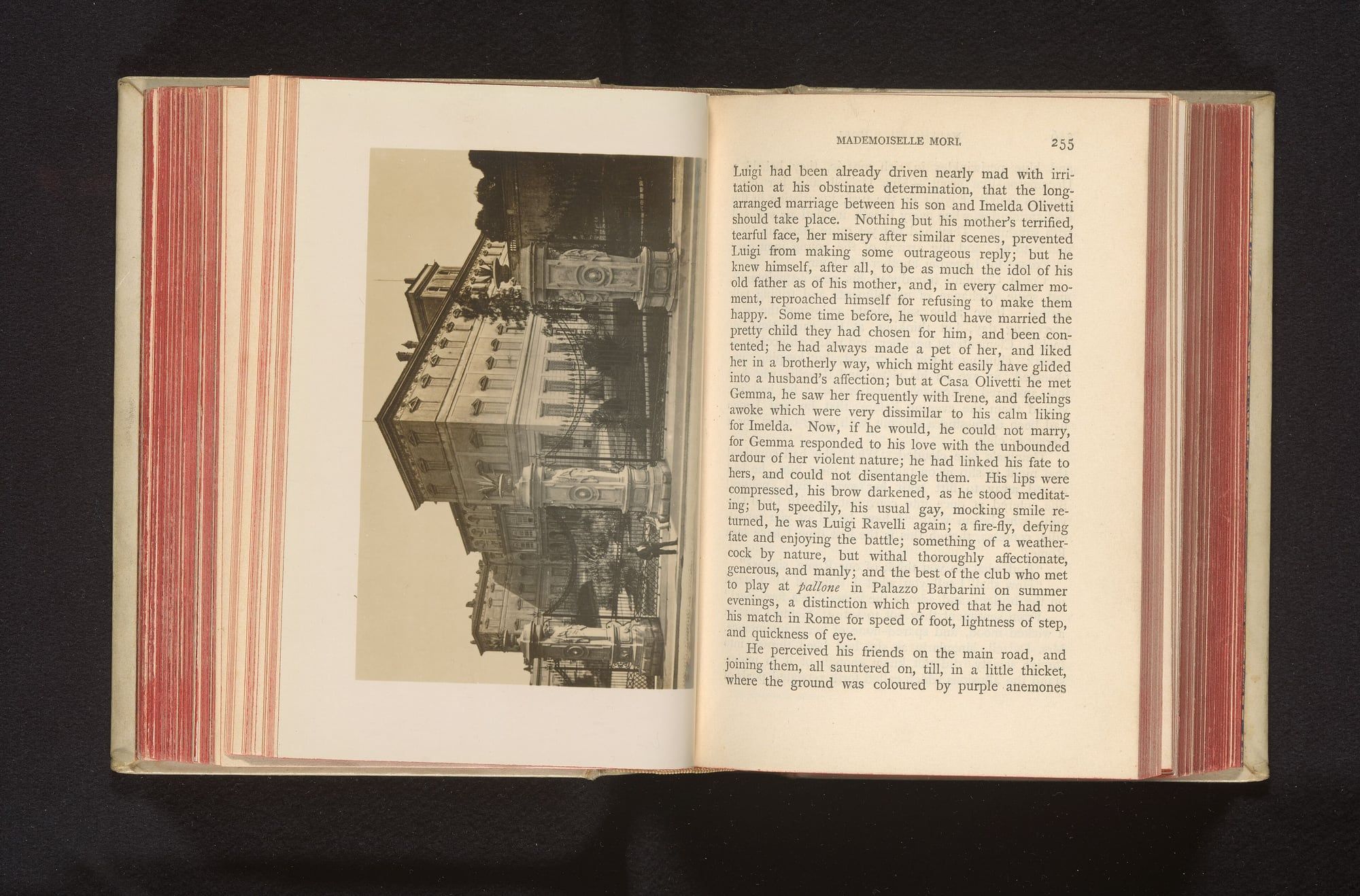
Palazzo Barberini was built between 1625 and 1633 for the family of Pope Urban VIII, with Maderno, Bernini and Borromini all working on it in turn. The Italian state bought it in 1949 and it now holds the larger half of the Gallerie Nazionali di Arte Antica, the national collection of painting from the 13th to the 18th century. The other half is Galleria Corsini in Trastevere, and your ticket covers both for 20 days.
Inside Barberini, in visiting order:
- The staircases. Bernini’s monumental square stair on the north side and Borromini’s oval spiral on the south, both reached from the entrance hall before you show a ticket. The Borromini stair is the one to photograph from the bottom looking up.
- Ground floor and first floor. Filippo Lippi’s Annunciation, Antoniazzo Romano, Perugino, then the Raphael room with La Fornarina, the portrait of the baker’s daughter with his name on her armband.
- The Caravaggio room. Judith Beheading Holofernes (about 1599) and Narcissus, with Caravaggesque followers around them: Orazio and Artemisia Gentileschi, Bartolomeo Manfredi, Simon Vouet.
- Holbein’s Henry VIII in his 1540 wedding clothes, Quentin Metsys, Bronzino, Lorenzo Lotto, El Greco.
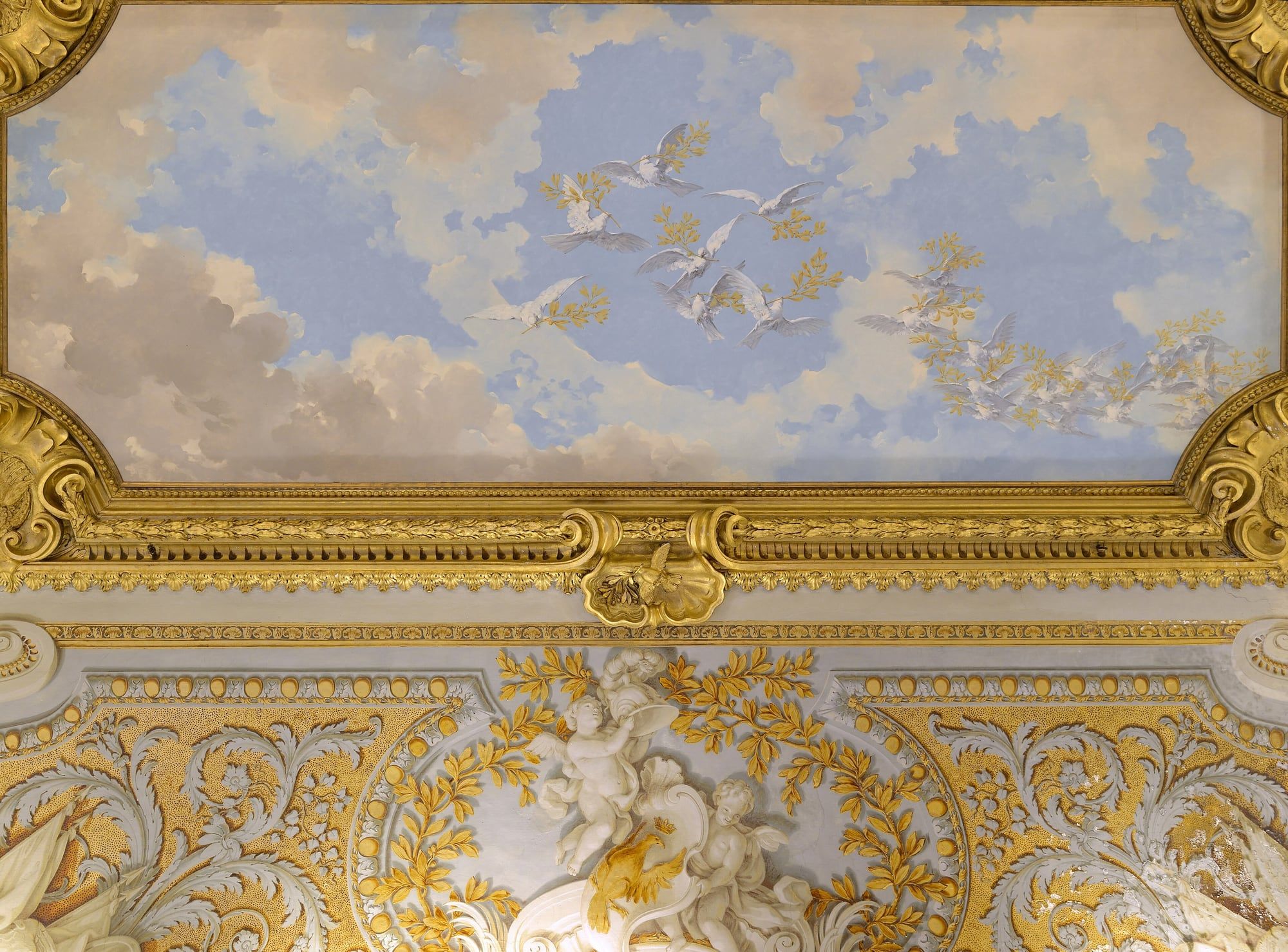
- The Salone with Pietro da Cortona’s ceiling fresco, The Triumph of Divine Providence (1632–39): Barberini bees swarming up into heaven, best seen lying on the benches provided.
- The 18th-century rooms: Canaletto, Batoni, the Barberini tapestries and the private apartment with its painted mirrors.
Three facts to place the building: Urban VIII’s election in 1623 paid for it; the bees on every ceiling, door and railing are the Barberini arms; and the Salone was the setting for the family’s theatre and for the parties that Roman satirists spent the 1630s mocking. In 1949 the state bought the palace, and until 2006 the Officers’ Club of the Italian armed forces occupied half of it, which is why the museum only reached its current size in the last decade.
Galleria Corsini, at Via della Lungara 10, keeps the 18th-century hang of Cardinal Neri Corsini’s collection: Caravaggio’s John the Baptist, Murillo’s Madonna, Rubens, Guido Reni and a Fra Angelico triptych, in rooms where Queen Christina of Sweden died in 1689.
On Tiqets the entry ticket is from €15 on Tiqets (checked , rated 4.1 from about 950 reviews, the same price as the ticket desk. A 2-hour guided tour with skip-the-line entry is from €48 in English, Italian or Spanish; note that the guided product currently excludes access to the temporary Caravaggio exhibition, which needs a separate ticket. The €169 semi-private option (groups of up to 8) is only worth it for a party of four or more who would otherwise book a private guide.
Timing is everything
Barberini is open Tuesday to Sunday 10:00 to 19:00, last entry 18:00, closed Monday. It is rarely busy: the Borghese has timed slots and sells out, the Vatican has queues, and Barberini has neither, which is the point.
- 10:00–11:30 on weekdays. Ten people in the Caravaggio room.
- Free first Sunday. Free and crowded; arrive at opening or come after 16:00 when the Roman families have gone to lunch.
- Temporary exhibitions. Big loan shows (recent years have brought Caravaggio, Artemisia and Bernini) add a separate ticket, timed slots and real queues on weekends. Check the official site: if a blockbuster is on, book the show slot first and treat the permanent collection as the bonus.
- Light. The Salone is lit from the garden side; the Cortona ceiling reads best between 11:00 and 14:00 in winter, later in summer.
- Corsini. Shorter hours and occasional afternoon closures; visit it in the morning on a separate day, combined with Villa Farnesina opposite, which closes at 14:00 on most days.
- Winter afternoons. From November to February the Salone is the warmest room; the small cabinets on the second floor are cold. Start upstairs and end under the Cortona ceiling.
- School groups. Weekday mornings from October to May bring Italian school classes between 10:00 and 12:30; they move fast and rarely reach the 18th-century rooms.
How to save
- EU citizens aged 18–25 pay €2 for both palaces; bring a passport or ID card. Under-18s of any nationality enter free.
- First Sunday of the month is free, no booking. Galleria Corsini too.
- Roma Pass covers Barberini and Corsini; the 48-hour pass gives one free museum and reduced entry to the rest, the 72-hour gives two free. See City passes to check whether the pass pays back for your itinerary.
- The 20-day validity means one €15 ticket covers two separate mornings; do not buy twice.
- Teachers, journalists and ICOM members have free entry with the relevant card; the full list is on the official site.
- Skip the guided tour if you already know the pictures; the rooms are well labelled in Italian and English.
How to get there
- Metro A to Barberini. Exit onto Piazza Barberini, walk up Via delle Quattro Fontane on the left-hand side for 4 minutes; the gate is at number 13, opposite the American Academy of Sciences building.
- Bus 52, 53, 61, 62, 63, 80, 85, 492 stop on Piazza Barberini or Via del Tritone; the 62 and 492 continue past the palace on Via delle Quattro Fontane.
- On foot from the Trevi Fountain, 8 minutes uphill; from Termini, 15 minutes via Via Nazionale.
- Galleria Corsini: tram 8 to Trastevere/Belli, then 10 minutes along Via della Lungara; or bus 23 or 280 along the river to Lungotevere Farnesina. Both palaces have lifts; the Borromini stair is stairs only.
For day passes and the ATAC tap-in system see Transport & transfers.
Palazzo Merulana: the 20th-century detour
Palazzo Merulana at Via Merulana 121 is a different proposition: the former Provincial Health Office, rebuilt as a bright three-floor museum for the collection of Roman builder Claudio Cerasi and his wife Elena. It opened in 2018 and shows about 100 works of Italian art between the wars, including Giorgio de Chirico, Giacomo Balla, Antonio Donghi, Felice Casorati, Giuseppe Capogrossi, Fausto Pirandello and Gino Severini, with Jan Fabre’s bronze Director of the Stars in the centre of the hall.
Tickets are from €15 on Tiqets (checked , with an optional audio guide in English and Italian, and the ticket includes the current temporary exhibition. Expect 60–90 minutes. It is closed on Tuesdays and sits 6 minutes’ walk from Santa Maria Maggiore and 10 from Metro A Manzoni, which makes it a natural stop between the Esquiline basilicas and San Giovanni. It is not covered by the Barberini ticket or by any pass.
What is nearby
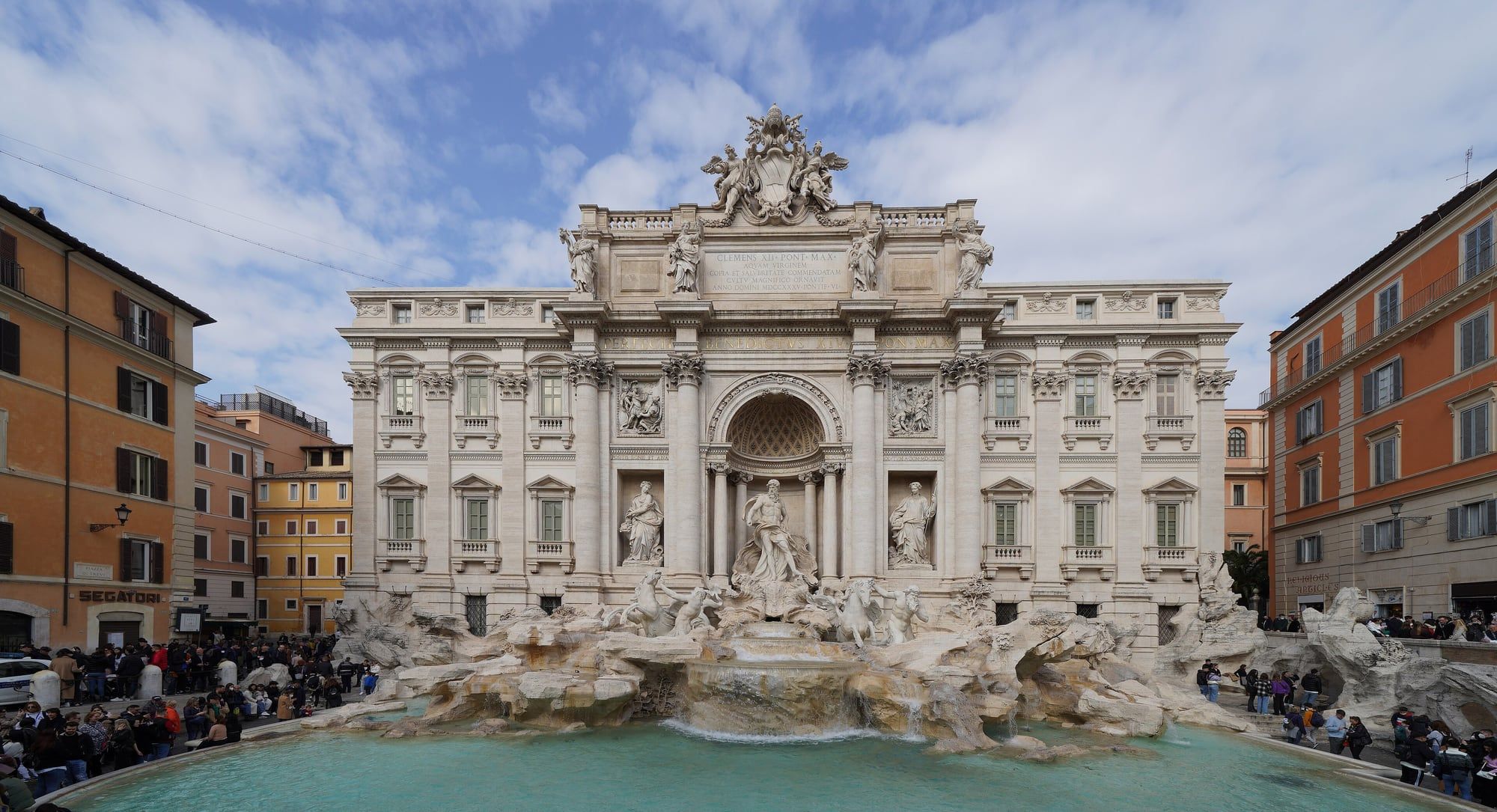
- Trevi Fountain, 8 minutes downhill; go before 8:00 or after 22:00.
- Palazzo Doria Pamphilj, 15 minutes via Via del Tritone, for Velázquez and three more Caravaggios; the two palaces make the best one-day painting circuit in the centre.
- Villa Medici, 15 minutes via Via Sistina, for gardens and the Pincio view after a museum morning.
- The Capuchin Crypt on Via Veneto, 4 minutes from Piazza Barberini, if the bones fit your mood; the Hard Rock Cafe is on the same street for lunch with children.
Booking checklist
- Check the official site for a temporary exhibition; if there is one, book that slot first.
- Buy the entry ticket on Tiqets or at the desk; no timed slot needed for the permanent collection.
- Bring ID if you are 18–25 and an EU citizen: €2 instead of €15.
- Keep the ticket: it covers Galleria Corsini for 20 days.
- Backpacks go in the free lockers at the entrance; small bags are fine.
- Photography without flash is allowed; the Salone benches are for lying down and looking up, which is expected.
- Mobile tickets accepted; the desk can also print your Tiqets order if your phone dies.
Palazzo Barberini tickets are the cheapest way to see two Caravaggios, a Raphael and a Holbein in Rome without a booking battle; add the Corsini on another morning, and Palazzo Merulana if the 20th century is more your period.