How golf cart tours in Rome work
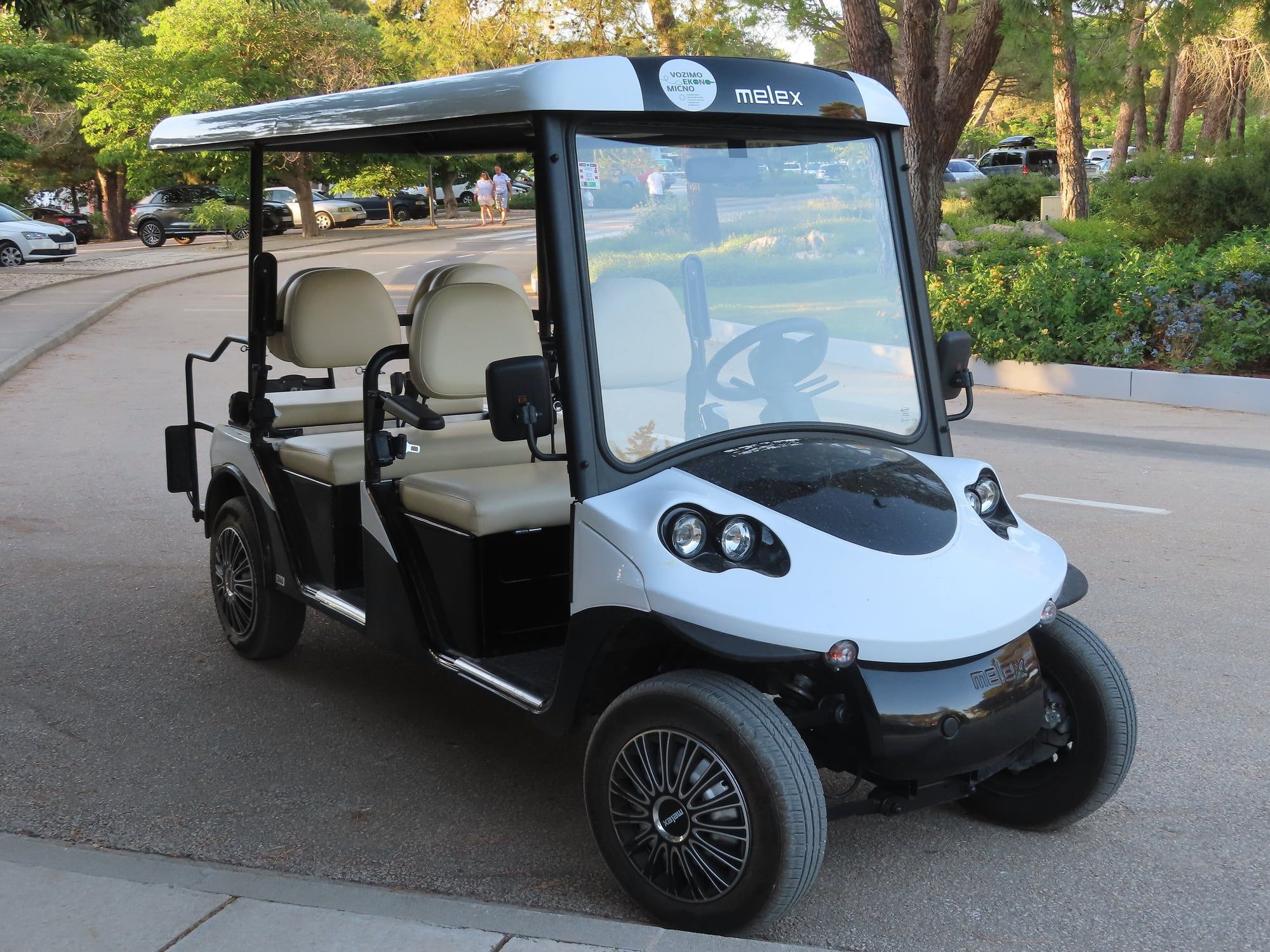
A golf cart tour in Rome is a guided city tour in a six-seater electric cart with a licensed driver-guide at the wheel. You are collected at your hotel or at a meeting point near Piazza Venezia or the Colosseum, and for the next two to four hours the cart threads through the centro storico, stopping at each landmark for five to fifteen minutes of explanation and photos.
Three things make the format work in Rome specifically:
- The ZTL. The centre is a zona a traffico limitato: private cars are banned on weekdays from early morning to evening and on Saturday afternoons, and the Trastevere and Tridente zones add evening restrictions. Tour operators hold permits for their electric carts, so you drive past the cameras that fine everyone else.
- Cobbles and hills. Sampietrini, the black basalt setts, are hard on wheels and ankles alike. A cart rolls over them at 20 km/h; a bike rattles, a Vespa slides in the wet. The climb from the Forum to the Capitoline or the Aventine is effortless in a cart.
- Distances. The Colosseum, Pantheon, Trevi, Spanish Steps and Vatican sit inside a 4 km circle, which sounds walkable until you add July heat and a seven-year-old. The cart turns a full day of walking into three hours with the energy left for the Vatican Museums afterwards.
What a golf cart tour is not: an entry ticket. You see the Colosseum from Via dei Fori Imperiali and the Pantheon from the piazza, and you can hop out for ten minutes, but going inside anything is separate. Operators sell combined packages (cart plus skip-the-line Colosseum, for example) at a premium; it is usually cheaper to book the Colosseum ticket yourself for the following morning.
A typical three-hour route
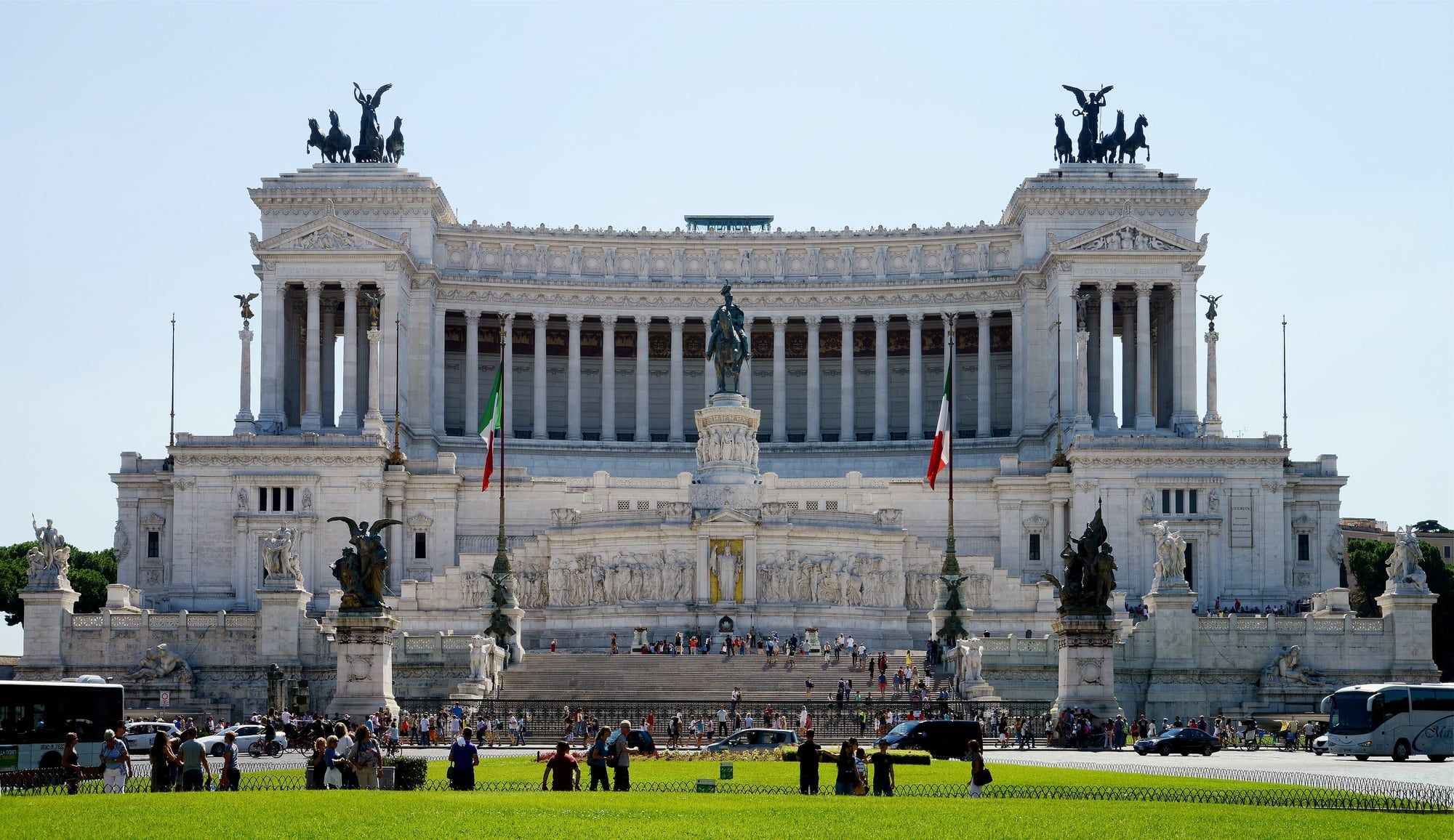
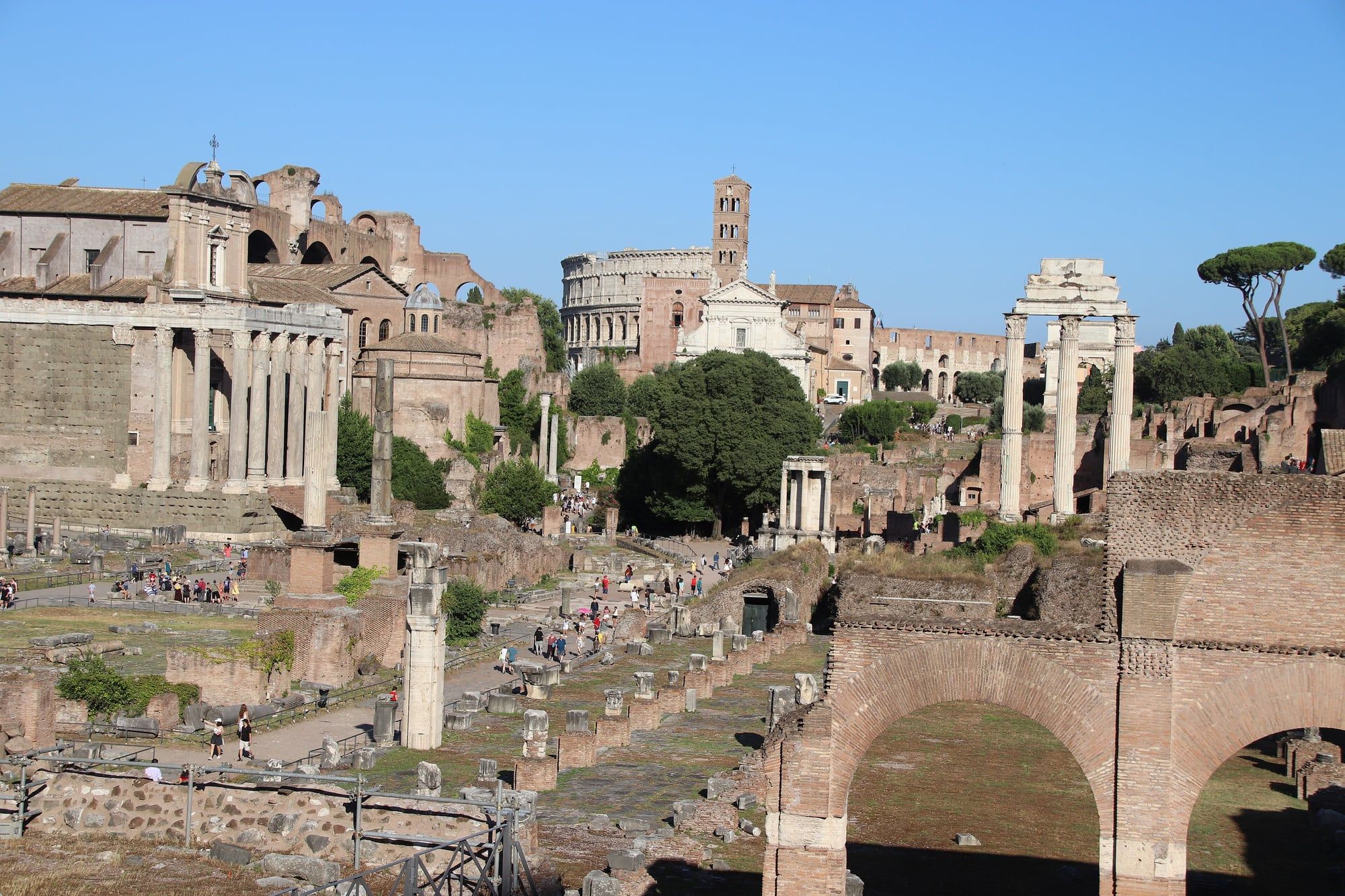
Most classic routes follow the same skeleton, clockwise or anticlockwise: Piazza Venezia and the Vittoriano, the Capitoline terrace above the Forum, Via dei Fori Imperiali, the Colosseum and Arch of Constantine, Circus Maximus, the Aventine keyhole and orange garden, a river loop past the Mouth of Truth and the Jewish Ghetto, Campo de’ Fiori, Piazza Navona (on foot), the Pantheon, Trevi Fountain, and finally Piazza del Popolo or the Spanish Steps. Four-hour versions add the Gianicolo viewpoint and Trastevere, or cross the river to St Peter’s Square and Castel Sant’Angelo.
Ask the operator which of these are photo stops and which are drive-bys; a good three-hour tour includes at least six real stops.
Formats compared
The table above lists the four formats you will actually find on sale; here is how to choose between them.
Private cart. You book the whole vehicle, typically five or six seats, and the route flexes to your interests. Prices run from about €250 for two hours to €450 for four hours with hotel pick-up, so the per-head cost drops sharply for four or more people. The flagship on GetYourGuide is the private imperial-city tour with hotel pick-up, rated 4.8 from about 1,200 reviews, listed from €49 per person at group rates; check the current price and dates here. Private is the right call for families, anyone with mobility limits, and cruise passengers on a fixed clock.
Shared (semi-private) cart. You share the cart with up to five other travellers on a fixed route and schedule. Prices sit at €80–110 per person for three hours; on Tiqets the city-highlights golf cart tour starts from €90 (checked and includes headsets and a driver-guide. Solo travellers and couples get the format at a sensible price, but you cannot ask the driver to skip the Spanish Steps and spend longer at the Forum.
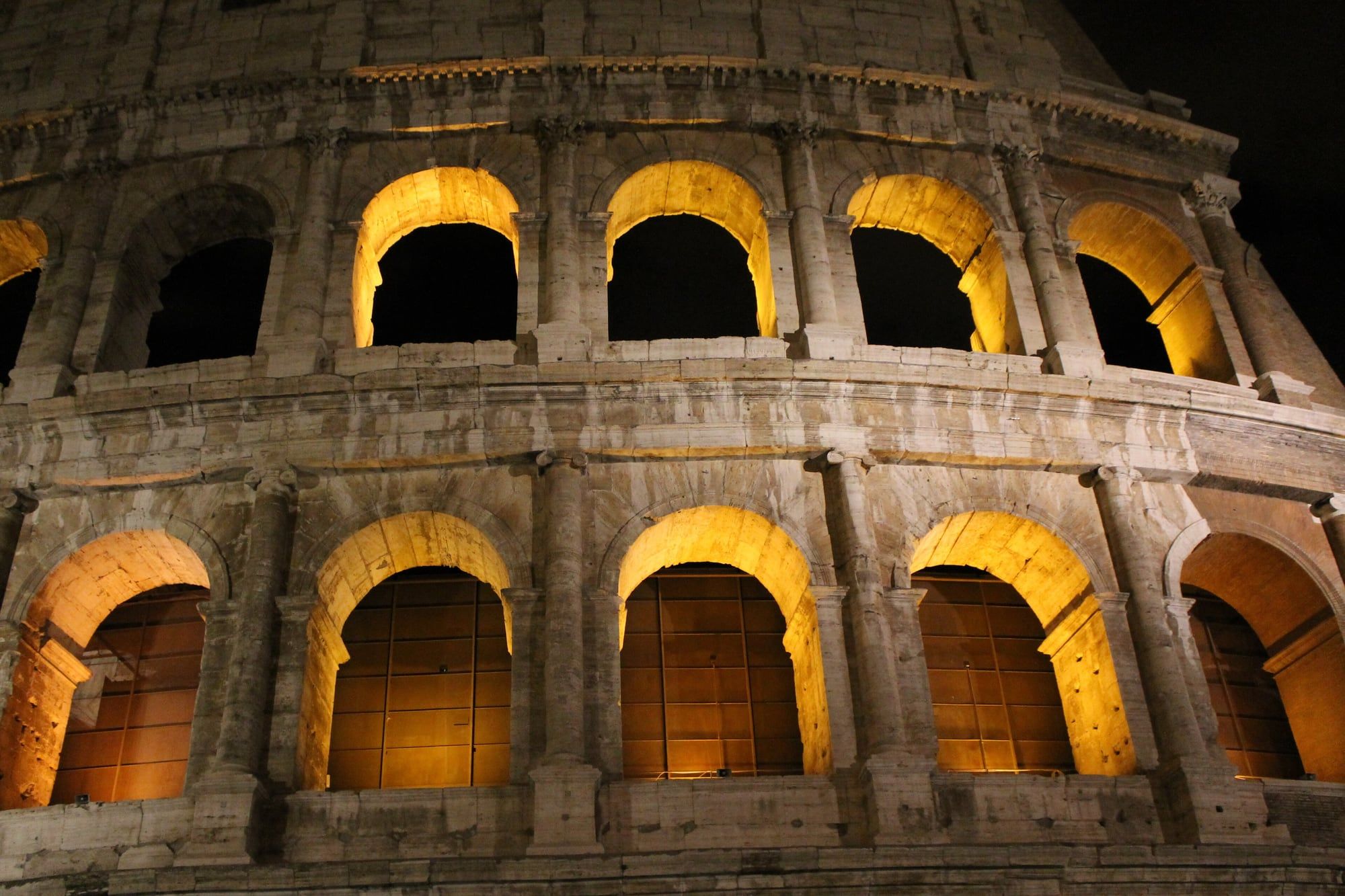
Night tour. Two hours, usually 20:00 or 21:00 departure, monuments floodlit, traffic thinner, fountains at their best. Rome in Golf Cart lists its Rome by Night private tour at €50 per person. Night tours make sense as a second-evening activity or in July and August when a daytime cart in 35 °C is no fun; see the night tours guide for what else runs after dark.
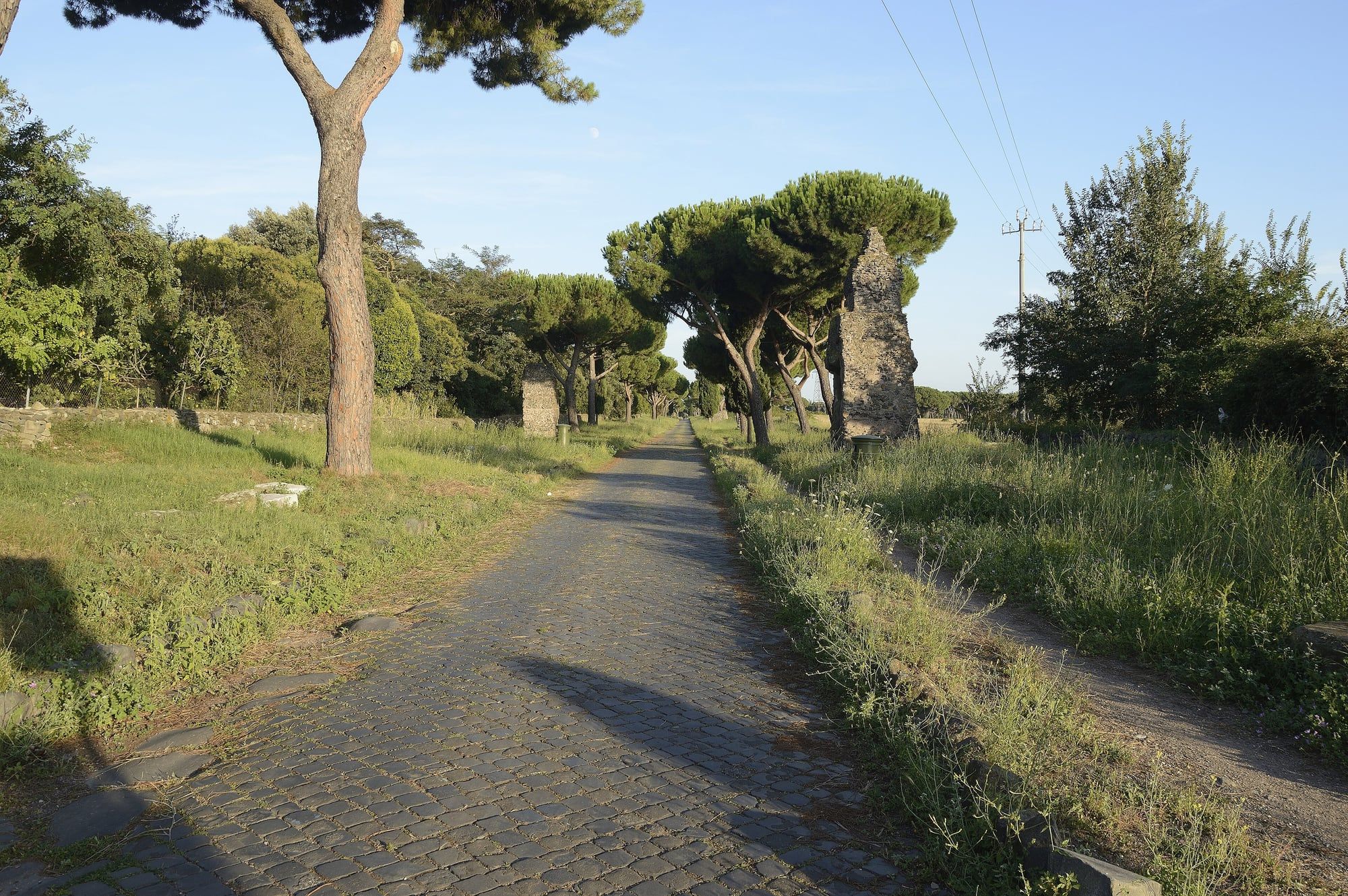
Appian Way charter. A driver without full commentary takes you along the Via Appia Antica, where cars are banned on Sundays and the basalt paving is original. Tiqets lists a two-hour charter from €180 per cart (checked , passing the tomb of Caecilia Metella and the Villa dei Quintili from outside. It pairs well with a catacombs visit; read the Appian Way guide before deciding whether an e-bike suits you better.
The operators worth knowing
Three companies dominate the golf cart market in Rome and supply most of what you see on the booking platforms:
- Rome in Golf Cart — the largest fleet and the widest menu, from a 90-minute aperitivo drive to a six-hour day with catacombs; private and semi-private versions of everything.
- Turtle Tours — smaller family outfit with strong reviews for guides who are also trained historians; private only, hotel pick-up included.
- Golf Cart Tour Rome (Rolling Rome) — long-running operator that also runs Vespa and Fiat 500 tours, useful if you want to combine formats over two days.
All three take direct bookings and also list on GetYourGuide’s golf cart category and Tiqets. Booking through the platform costs the same or a few euros more, but gives you free cancellation to 24 hours and a single point of contact if the operator no-shows; booking direct gets you more route flexibility and sometimes a longer tour for the same money.
Who it suits and who should skip it
Book a golf cart tour if:
- You are travelling with children under ten — they last three hours in a cart, not on foot, and the open sides keep them engaged.
- Anyone in the group has limited mobility, a bad knee, or is over seventy. Rome’s centre has few benches and many steps; the cart removes both problems.
- It is your first morning and you want the whole map in your head before choosing what to enter.
- You are on a cruise-ship day from Civitavecchia with six hours in the city. A private cart from Termini or Piazza Venezia is the most reliable way to see everything and get back to the train.
- It is July or August and walking from 11:00 to 15:00 is a bad idea.
Skip it if:
- You are two fit adults with three days. A walking tour with a licensed guide costs less, gets closer to the buildings and lets you enter the Pantheon or a church on the way.
- You want to go inside the Colosseum or Vatican. The cart brings you to the door; the ticket is separate, and the combined packages are poor value.
- You dislike being looked at. Carts are conspicuous; you will be photographed by other tourists at the Trevi Fountain.
- You are on a tight budget. The hop-on hop-off bus covers similar ground for €15–30 over 24 hours, and the 40 Express bus does Termini to the Vatican for €1.50.
Timing is everything
Morning departures (8:30–9:30) get you through the Forum stretch before coach traffic builds and put you at the Trevi Fountain before the crowd is ten deep. In summer this is the only comfortable daylight slot.
Late afternoon (16:00–17:00) is the photographer’s choice from October to April: low sun on the Forum, the Colosseum lit from the west, and you finish at the Pincio or Gianicolo for sunset. Between May and September the same slot means a warm cart and full squares, so shift to the night tour instead.
Sunday brings two bonuses. Via dei Fori Imperiali is closed to traffic and becomes a pedestrian boulevard, so the cart goes slowly past the Forum with no cars, and the Appian Way is car-free all day. Ask for a Sunday Appia Antica charter if you have already done the centre.
Avoid Saturday afternoons in the Tridente (Via del Corso is closed to traffic and the cart detours), and any day with a big demonstration or a papal event at St Peter’s — the police close streets at short notice and your route shrinks. Operators know the calendar; ask when booking. Seasonal notes on heat, rain and crowds are in the when to visit guide.
How to save
- Fill the cart. The private price is per vehicle. Six people in one cart pay under €70 a head for a tour that costs a couple €170 each. If you are two, book the shared version.
- Skip hotel pick-up if your hotel is central. Meeting at Piazza Venezia or the Colosseum metro often knocks €30–50 off the private price, and central hotels are inside the ZTL anyway.
- Shorter is fine. Two hours covers the ancient core; three hours adds the baroque centre; four hours adds Trastevere and the Vatican exterior. The fourth hour is the least valuable — you can walk Trastevere yourself in the evening.
- Do not buy combos with entrance tickets unless the saving is explicit. A cart-plus-Colosseum package often prices the ticket at €40–50 when the official price is €18 and a decent guided entry is under €50 on GetYourGuide.
- Children under four usually ride free on a parent’s lap where the operator allows it, and under-twelves are discounted on shared tours. Ask before paying adult rates.
- Cruise-day travellers should book from Civitavecchia through the operator directly and compare with the day trips transfers before deciding — the train to Roma San Pietro plus a cart from there is cheaper than a shore excursion.
- Free cancellation on the platforms means you can hold a slot a month ahead and release it if the forecast turns. Direct bookings are stricter.
Booking checklist
- Decide private or shared by counting heads: four or more, private; one to three, shared unless mobility is the reason.
- Confirm the number of real stops and whether Piazza Navona and the Trevi Fountain are on foot (they always are — a five-minute walk each).
- Give the operator any mobility needs in the booking notes so they assign a low-step cart and a route with fewer walking sections.
- Bring sun protection and a light layer. The roof shades but does not stop the sun at the sides; in winter the cart is open and breezy.
- Bring the booking voucher on your phone; no printing needed for any of the operators or platforms.
- Check the meeting point on a map the night before. “Colosseum” means different things to different operators; most use the Arch of Constantine or the metro exit.
- Tip in cash if the guide earned it — €5–10 per cart is normal, not obligatory.
- Arrive ten minutes early. Carts leave on time because their ZTL slots and other bookings are chained.
What to combine
A golf cart tour is a map, not a destination, so schedule the entries around it. On the same day, follow a morning cart with an afternoon slot at the Vatican Museums (booked separately, timed entry) or the Borghese Gallery. The next morning, enter the Colosseum and Forum knowing exactly which parts you care about.
If the cart appealed because of comfort rather than novelty, compare it with a private driver-guide for a full day: pricier, but with air conditioning and a boot for the shopping. If it appealed because of fun, Vespa sidecar and vintage Fiat 500 tours scratch the same itch for couples; families with teenagers often prefer the e-bike on the Appian Way.
For value, the honest comparison is with the hop-on hop-off bus: a 24-hour ticket is a fifth of the price and a bus stops near every major site, but it never stops in front of the Pantheon and the commentary is recorded. If you have one day and no time to waste, the golf cart tour of Rome is the better spend; browse current dates and prices on GetYourGuide or compare the Tiqets options before they fill.