Best time to visit Rome: the short answer
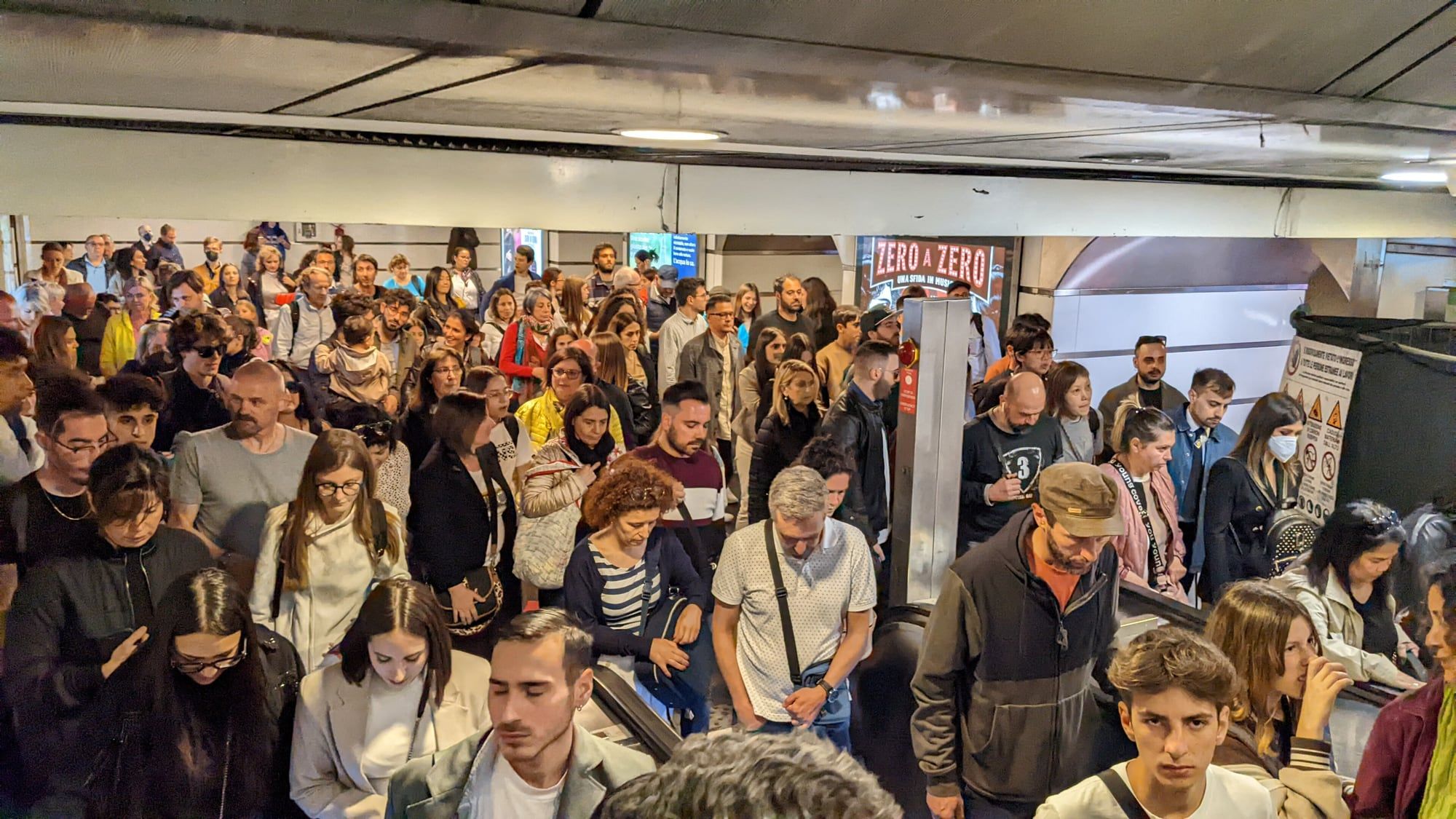
Rome works in every month, but not in the same way. Late April to early June and mid-September to October give the best combination: highs of 20–27°C, 13–14 hours of daylight, every site open on summer hours and prices below the summer peak. Those weeks are also the most popular, so the Colosseum, Vatican Museums and Borghese Gallery need booking one to three weeks ahead.
Winter (mid-January to February) is the opposite trade: 12–13°C days, some rain, sunset before 17:30, but hotels 30–50% cheaper and the Sistine Chapel close to empty at 8:00. July and August are hot, busy at the big three sites and quiet in local neighbourhoods, when Romans leave town for Ferragosto.
Pick your month by what you are optimising for — the table and the goal-by-goal section below do the sorting.
Rome weather by month: temperature, rain, crowds and prices
Temperatures are 1991–2020 normals for Rome (Ciampino/Urbe stations, rounded). Rain days count days with at least 1 mm. Crowd and price levels are relative to the Rome average, at our last check.
| Month | Avg high / low | Rain days | Crowds | Prices | Verdict |
|---|---|---|---|---|---|
| January | 12°C / 3°C | 8 | Low after 6 Jan | Low | Cheapest, coldest, empty museums |
| February | 13°C / 4°C | 8 | Low | Low | Carnival, sales, no queues |
| March | 16°C / 6°C | 8 | Medium | Medium | Spring starts, Marathon weekend busy |
| April | 19°C / 8°C | 8 | High (Easter) | High | Best light, Easter closures, book everything |
| May | 24°C / 12°C | 6 | High | High | Ideal weather, peak demand |
| June | 28°C / 16°C | 4 | High | High | Long days, heat building, opera at Caracalla |
| July | 31°C / 18°C | 2 | High at sites | Medium–high | Hot; mornings and evenings only |
| August | 31°C / 19°C | 3 | Medium | Medium | Hottest, Romans away, Ferragosto closures |
| September | 27°C / 15°C | 5 | High | High | Warm, still dry, best shoulder month |
| October | 22°C / 12°C | 8 | Medium–high | Medium–high | Ottobrata sun, rain from mid-month |
| November | 16°C / 8°C | 10 | Low | Low | Wettest, cheap, museum month |
| December | 13°C / 4°C | 9 | Low then very high | Low then very high | Lights and markets, Christmas week peaks |
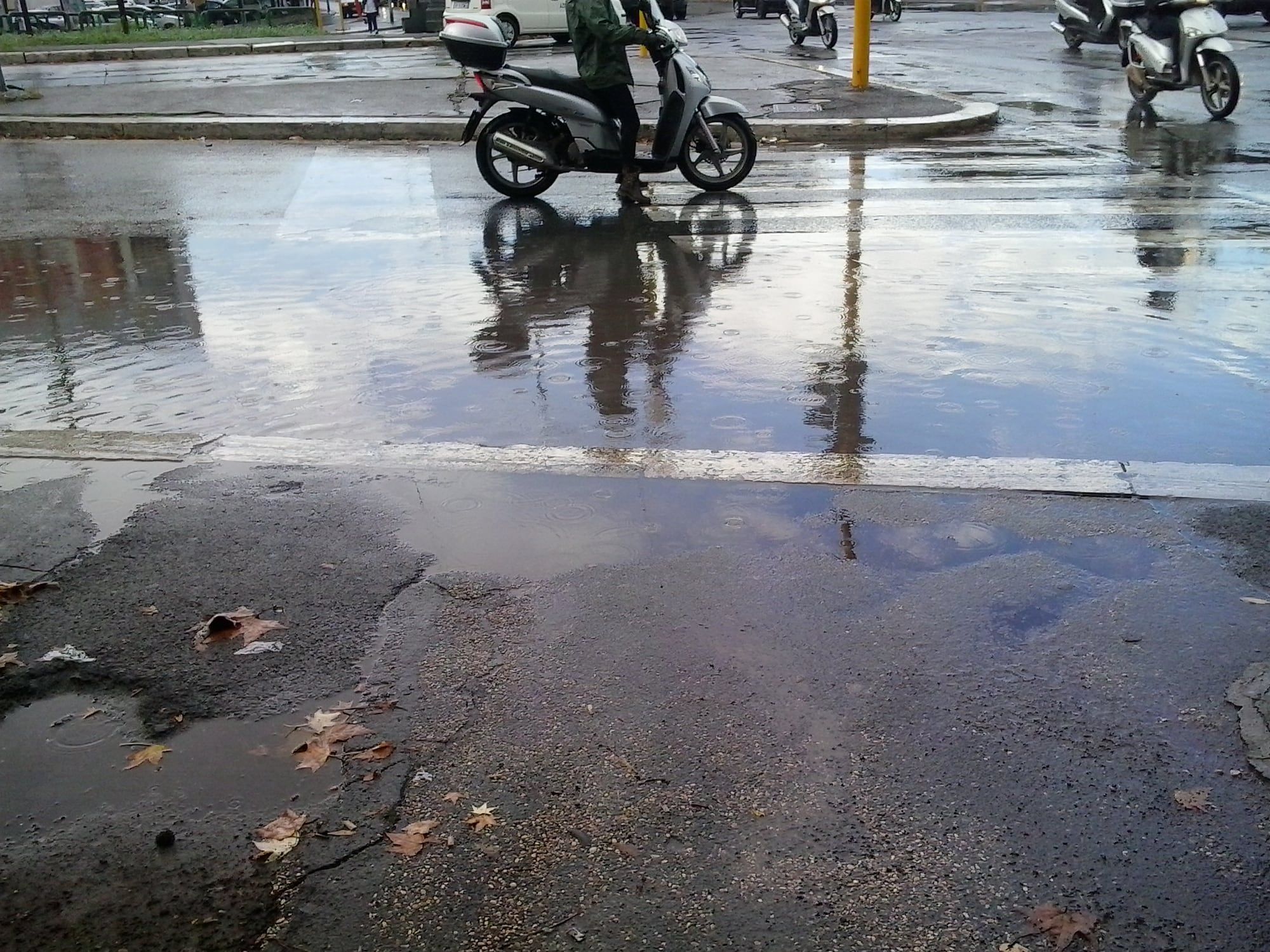
Two things the table hides. First, Rome’s daily range is wide: a 24°C May afternoon starts at 12°C, so layers matter in every month except July and August. Second, “rain days” overstate the disruption — a typical Roman rain day is a 40-minute downpour followed by sun.
Best time by what you care about
Best weather
May, early June and late September. Highs of 24–28°C, low humidity, 4–6 rain days and enough breeze on the hills to make the Palatine and the Aventine pleasant at midday. October is a close fourth until the rains arrive around the 15th.
Fewest crowds
The second half of January, February and the second half of November. In these weeks Colosseum timed slots are available same-day, Vatican Museums queues are 10–15 minutes without a skip-the-line ticket, and the Borghese Gallery can be booked a day or two ahead rather than two weeks.
Lowest prices
Mid-January to February and November. Four-star hotels near Piazza Navona that ask €280 in May list at €140–170. Tours discount less than hotels, but small-group tours run with 8 people instead of 20, which is the better deal.
Photography
April and October for light: the sun stays lower, haze is thinner than in summer, and golden hour at 19:00–20:00 in April lines up with dinner rather than bedtime. Late December gives the cleanest winter air and the Christmas lights on Via del Corso. Avoid July–August for the milky midday sky.
Families
Late March to May and late September to October: warm enough for Villa Borghese pedal boats and the Bioparco, cool enough to walk the Forum with children. Water parks open from June; see Rome with kids for age-by-age ideas.
Vatican events and papal audiences
The Pope’s general audience runs most Wednesdays year-round (10:00 in St Peter’s Square, or the Paul VI Hall in winter; free tickets from the Prefecture of the Papal Household). The big set pieces are Easter Sunday mass, 29 June (Saints Peter and Paul), Christmas Eve mass and the Urbi et Orbi blessing on 25 December — see Christmas and New Year in Rome. The Pope usually leaves Rome for part of July and August, so Wednesday audiences pause; check the Prefecture calendar.
Shoulder seasons: the sweet spots
Rome has two shoulder windows, and they are not equal.
Spring shoulder: mid-March to mid-April (outside Easter week). Highs 16–19°C, gardens waking up, the Roseto Comunale rose garden opening on 21 April. Prices climb from Easter onwards, and Easter week itself — 29 March to 6 April — is as busy as July. If your dates are flexible, aim for the two weeks before Palm Sunday.
Autumn shoulder: mid-September to late October. The better of the two. The sea heat has gone, evenings are warm enough to eat outside until late October, and the Ottobrata Romana — Rome’s tradition of golden October Sundays — is real. The catch is demand: September hotel prices now match May, and October is the single most searched month for Rome. Book the Colosseum and Vatican Museums at least two weeks out.
The second half of November is a quiet third option: wet, but 16°C, cheap and empty, with the Christmas lights switching on around 8 December.
Holidays that close things
Italian public holidays close some sites outright and fill the rest. Plan around these dates :
- 1 January (New Year’s Day): Colosseum, Forum, Vatican Museums, Borghese Gallery and most state museums closed. Restaurants open for lunch, many shops shut.
- 6 January (Epiphany): Vatican Museums closed; state sites open. Befana festivities in Piazza Navona.
- 5–6 April (Easter Sunday and Easter Monday, Pasquetta): Vatican Museums closed both days. Colosseum and Forum open, with Easter-level queues. Many restaurants take Pasquetta off.
- 25 April (Liberation Day): sites open, free entry at state museums, big crowds.
- 1 May (Labour Day): Vatican Museums closed; Colosseum open. Concertone free concert in the afternoon (venue varies — Piazza San Giovanni or Circus Maximus).
- 2 June (Republic Day): parade on Via dei Fori Imperiali in the morning, Forum-side streets closed until early afternoon. Sites open.
- 29 June (Saints Peter and Paul, Rome’s patron day): Vatican Museums closed; papal mass in St Peter’s. Many Roman shops closed; other Italian cities work normally.
- 15 August (Ferragosto): Vatican Museums closed on 14 and 15 August; Colosseum open. Family-run restaurants close for one to three weeks around this date.
- 1 November (All Saints): Vatican Museums closed; Colosseum open. Cemeteries busy, city quiet.
- 8 December (Immaculate Conception): Vatican Museums closed; Pope visits the Spanish Steps at 16:00; Christmas lights and tree in St Peter’s Square switch on.
- 25–26 December: everything closed on the 25th. On the 26th (Santo Stefano) the Colosseum and Forum open, the Vatican Museums stay closed.
Sunday rules matter too: the Vatican Museums close every Sunday except the last of the month (free, 9:00–14:00, queues from 7:00), and the state museums — Colosseum, Borghese, Castel Sant’Angelo — are free on the first Sunday of every month, without pre-booking and with long lines.
What to pre-book, by season
Winter (January–February, November). Only the Borghese Gallery, which caps entry at 360 people every two hours all year, and any Christmas-period slots. Everything else can be booked a few days out. Take advantage: this is the season for last-minute private tours at small-group prices.
Spring (March–June). Colosseum with arena floor or underground access sells out two to four weeks ahead; standard Colosseum entry one to two weeks; Vatican Museums early-morning slots one to two weeks; Borghese two to three weeks. Book Easter-week anything as soon as your flights are confirmed. Guided tours hold their own allocations and are often the only way in when official slots are gone — the Colosseum, Forum and Palatine guided tour (rated 4.8 from about 89,000 reviews on GetYourGuide) is the safe default.
Summer (July–August). Demand for morning slots is intense; afternoon slots are easier but hot. Book night tours of the Colosseum and Vatican Friday evenings a week or more ahead — they are the most sensible way to see both in July. Day trips to Pompeii and the beaches fill on weekends.
Autumn (September–October). Treat it like spring: two weeks for the big three, three for Borghese. Food tours in Trastevere fill Friday and Saturday evenings in October.
Christmas–New Year. Book hotels three months out, restaurants for 24, 25 and 31 December two to four weeks out, and the Christmas World at Villa Borghese ticket a few days ahead. Details in the Christmas and New Year guide.
What to book for a first visit, whatever the month
Three experiences justify booking in every season. The Colosseum, Roman Forum and Palatine guided tour solves the one queue that no ticket type removes. A Vatican Museums and Sistine Chapel tour with an early slot is worth the premium from March to October. And a Trastevere street-food tour is the best evening in the city in any weather. For everything else, browse Rome experiences on GetYourGuide by date — availability tells you more about the season than any forecast.
Month pages
Each month has its own page with numbers, daylight, events, packing list and what to book: January, February, March, April, May, June, July, August, September, October, November and December. Once you have dates, the Rome itineraries page turns them into a plan, and the city passes guide tells you whether a pass pays off for your season.
The best time to visit Rome, then, is the month that matches your priority: May or October for weather, February for price, December for atmosphere. Every month has a working plan.