What the Jewish Ghetto is
Rome’s Jewish community arrived as merchants and envoys in the 2nd century BC and has never left, which makes it the oldest continuous Jewish community in Europe. The Ghetto is the roughly three-hectare rectangle between Via Arenula, Via del Teatro di Marcello, the Tiber and Piazza delle Cinque Scole where the community was forced to live for 315 years. Today it is a small, low-rise district of kosher restaurants, a bakery, the Great Synagogue and some of the best-preserved ancient ruins in the centre, with a heavier history than its lunch-hour cheerfulness suggests.
The main street is Via del Portico d’Ottavia. Walk it end to end (five minutes) and you have seen the core; the rest is side streets, the synagogue and the river.
History in four dates
- 1555. Pope Paul IV’s bull Cum nimis absurdum orders Rome’s Jews into a walled enclosure, locked from dusk to dawn, with restrictions on trades (rag-dealing and money-lending), a yellow badge, and compulsory attendance at Christian sermons. Around 2,000 people were packed into a flood-prone area by the river. The population grew to 4,000–5,000 in the 18th century in the same space.
- 1870. The Kingdom of Italy takes Rome; the Ghetto is abolished, the walls demolished, and Roman Jews gain civil rights. In the 1880s most of the old buildings were razed for hygiene and the street grid you see was laid out. The Great Synagogue went up in 1901–1904 on the cleared land as a statement of that emancipation.
- 1943. After the German occupation, the SS demanded 50 kg of gold from the community in September (it was paid within 36 hours) and then, at dawn on 16 October, raided the district and the rest of the city. 1,023 people were deported to Auschwitz; 16 returned. Largo 16 Ottobre 1943, next to the Portico d’Ottavia, is named for the raid, and stolpersteine (small brass memorial cobbles) sit outside dozens of doorways.
- 1986. John Paul II visits the Great Synagogue, the first papal visit to a synagogue on record. Popes have returned since, and the community numbers around 15,000 in Rome today.
The history tells you why the district looks the way it does: the ruins are ancient, the synagogue is 1904, and almost nothing in between survives.
What to see
The Great Synagogue and Jewish Museum
The Tempio Maggiore’s square aluminium dome is visible from most of the centre. It was built in 1901–1904 in an Assyrian-Babylonian style chosen to look unlike a church. The only way inside is on the guided visit included in the Jewish Museum ticket, which is in the same building on Lungotevere de’ Cenci.
- Price: €12 standard, plus a €1 service fee for online booking; reduced €10 for some categories (at our last check). Includes an audio guide in Italian, English, French, Spanish, German, Russian and Hebrew and the synagogue tour.
- Hours: Sunday to Thursday, roughly 10:00–17:00 in winter and to 18:00 in summer; Friday mornings only; closed Saturday and Jewish holidays. Check the museum’s own site for exact times.
- Security: ID required, bag check, no large luggage; men receive a kippah at the door.
The museum covers Roman-Jewish life from antiquity through the Ghetto years and the deportation, with textiles, silver and documents from the old “Cinque Scole”, the five synagogues once crammed into a single building. Allow 60–90 minutes.
Portico d’Ottavia
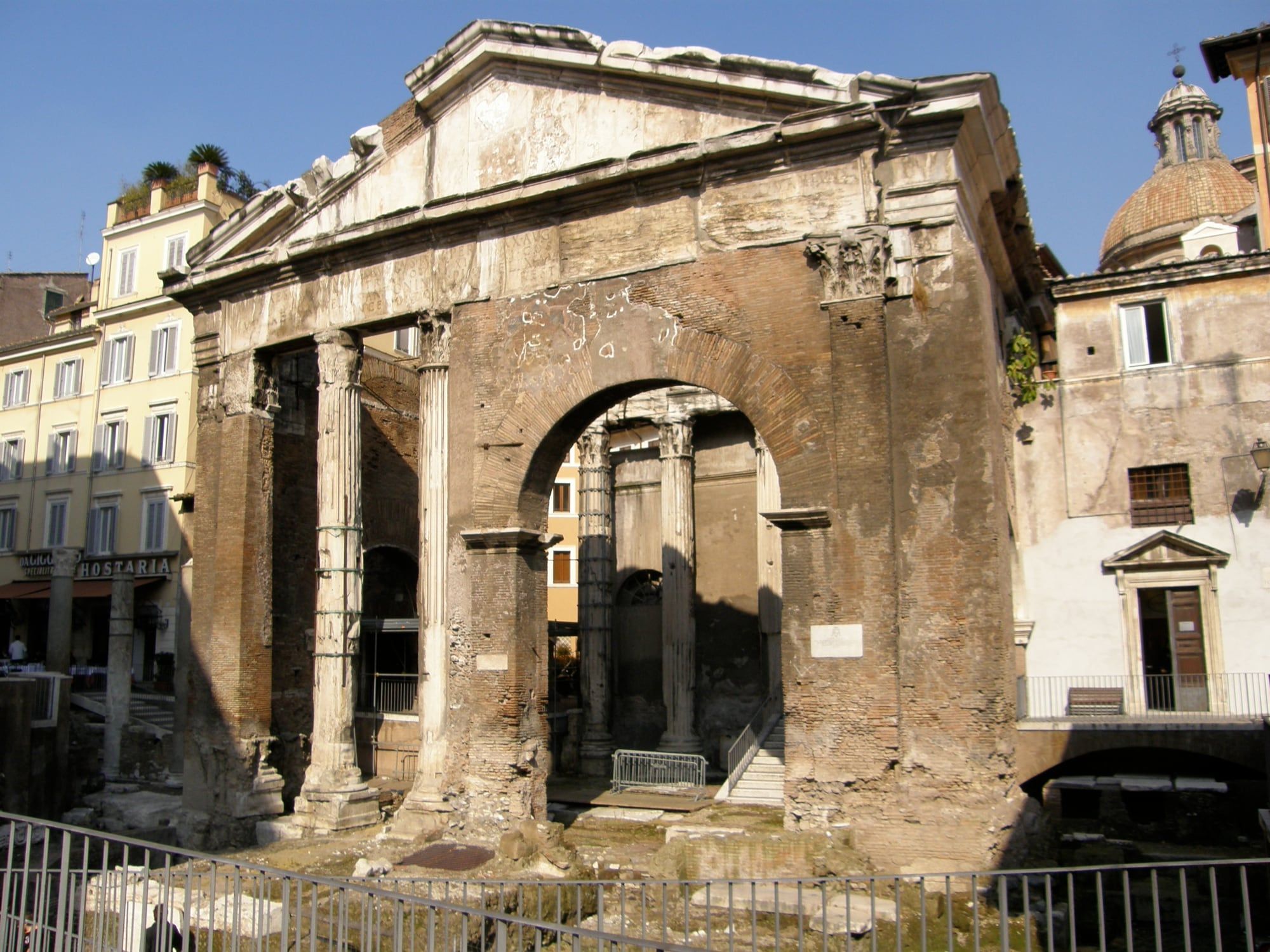
At the east end of the main street stand the columns and pediment of the Portico of Octavia, built by Augustus around 27 BC and named for his sister. In the Middle Ages the fish market was held under it (the church behind, Sant’Angelo in Pescheria, is named for it), and a plaque in the ruin sets the length of fish that had to be given to the city magistrates. Free, visible at all hours; a walkway leads through the archaeological area to the Teatro di Marcello.
Teatro di Marcello
Behind the Portico is the Theatre of Marcellus, begun by Caesar and finished by Augustus in 13 BC, holding about 15,000 people. It looks like a smaller Colosseum with a Renaissance palace on top: the Savelli and then the Orsini families built their residence into the upper storeys, and it is still apartments. The archaeological area around its base is free, open daily from morning until an hour before sunset, and hosts free classical concerts on summer evenings. The three white columns beside it belong to the Temple of Apollo Sosianus.
Fontana delle Tartarughe and Piazza Mattei
Two minutes north, on a small square, is the Turtle Fountain (1580s), four bronze youths pushing turtles into a basin; the turtles were added later, probably by Bernini. It is the prettiest small fountain in Rome and usually has nobody in front of it.
Tiber Island
Cross Ponte Fabricio, the oldest bridge in Rome still in use (62 BC), onto the island with its hospital and the church of San Bartolomeo. Ponte Cestio on the far side brings you into Trastevere in five minutes.
What to eat: Roman-Jewish cuisine
The cucina ebraico-romanesca grew out of poverty and the Ghetto’s restricted trades: cheap vegetables, offal, salt cod and frying in oil.
- Carciofi alla giudia – whole Romanesco artichokes pressed open and deep-fried twice until the outer leaves are crisp like chips and the heart is soft. The season runs November to April; out of season they are frozen and not worth ordering.
- Fiori di zucca – courgette flowers stuffed with mozzarella and anchovy and fried.
- Filetti di baccalà – salt cod in batter, sold by weight at counters as well as in restaurants.
- Aliciotti con l’indivia – a baked layer of fresh anchovies and endive.
- Concia – fried, marinated courgettes, served cold.
- Pizza ebraica – not pizza but a dense, burnt-edged bar of candied fruit, almonds and raisins from the kosher bakery on Via del Portico d’Ottavia, sold from a counter with no sign; look for the queue. The ricotta-and-sour-cherry crostata is the other thing to buy there.
Restaurants line Via del Portico d’Ottavia; several are certified kosher (closed Friday evening and Saturday lunch), others serve the same dishes without certification. Expect €15–20 for a plate of artichokes at a terrace table. Nonna Betta, Ba’Ghetto and Piperno are the names most visitors know; the smaller places on Via di Santa Maria del Pianto are quieter. For a Jewish-Roman food writer’s approach to the district, see our page on Katie Parla, whose tours and books cover exactly this cooking.
Timing is everything
- Weekday late morning – museum at 10:00–11:00, ruins at midday, lunch at 13:00. The district is at its calmest.
- Friday afternoon – lively until sunset as the kosher places close for Shabbat; from Saturday morning the museum, synagogue and kosher restaurants are shut, and the non-kosher ones are full.
- Sunday – the museum is open, restaurants are busy with Roman families; book lunch.
- Evenings – restaurant terraces fill from 20:00; most walking and food tours that include the Ghetto pass through between 17:00 and 19:00, before crossing to Trastevere.
- Season – artichoke season (November–April) is the reason to eat here; summer evenings are for the Teatro di Marcello concerts.
How to get there
- Tram 8 or buses 40, 46, 62, 64, 70, 87, 492 to Largo di Torre Argentina, then 5 minutes on foot down Via Arenula and left into Via di Santa Maria del Pianto.
- Buses 30, 44, 83, 170, 781 stop on Via del Teatro di Marcello or Lungotevere, at the district’s edge.
- On foot: 8 minutes from the Pantheon, 10 from the Capitoline Museums and Piazza Venezia, 5 from Campo de’ Fiori, 5 from Trastevere across Tiber Island.
- No metro. Colosseo (line B) is 20 minutes on foot along Via del Teatro di Marcello.
What is nearby
- Trastevere – across Tiber Island; the natural second half of an evening.
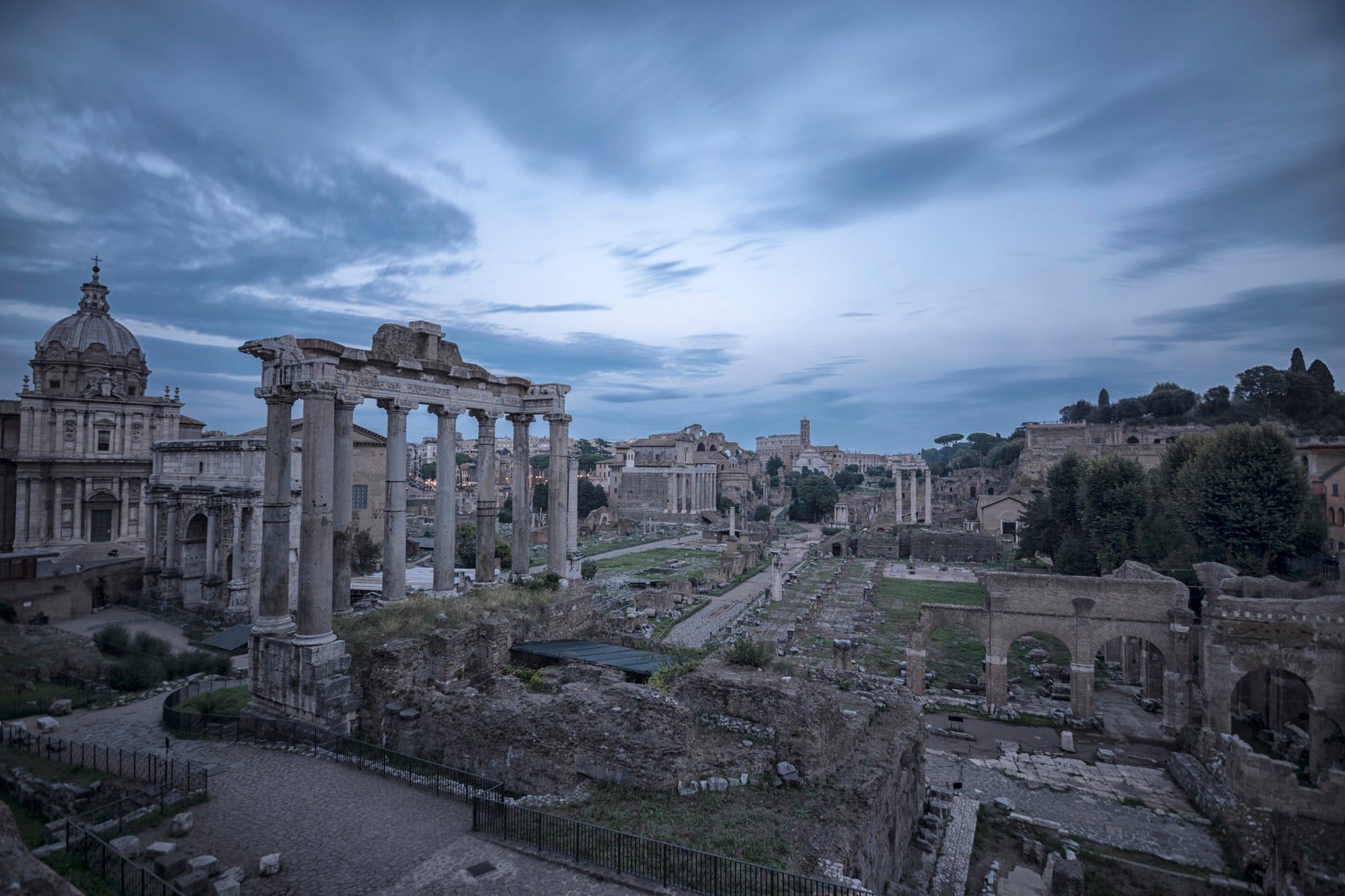
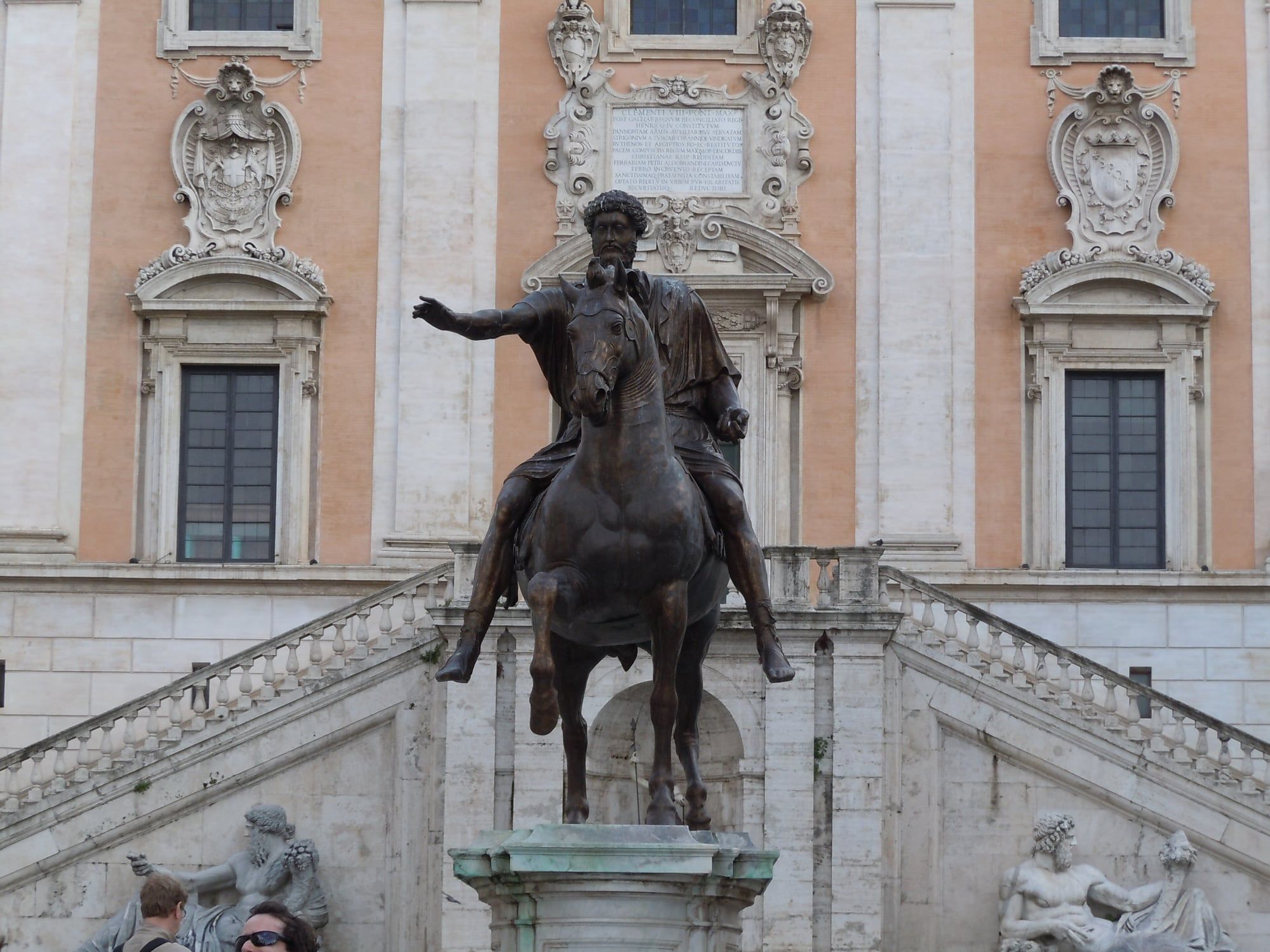
- Capitoline Museums – 10 minutes east up the Campidoglio, with a terrace looking over the Forum.
- Largo di Torre Argentina – 5 minutes north, the temple ruins where Caesar was killed, now with a walkway (small fee) and the cat sanctuary.
- Pantheon – 8 minutes north.
What to book
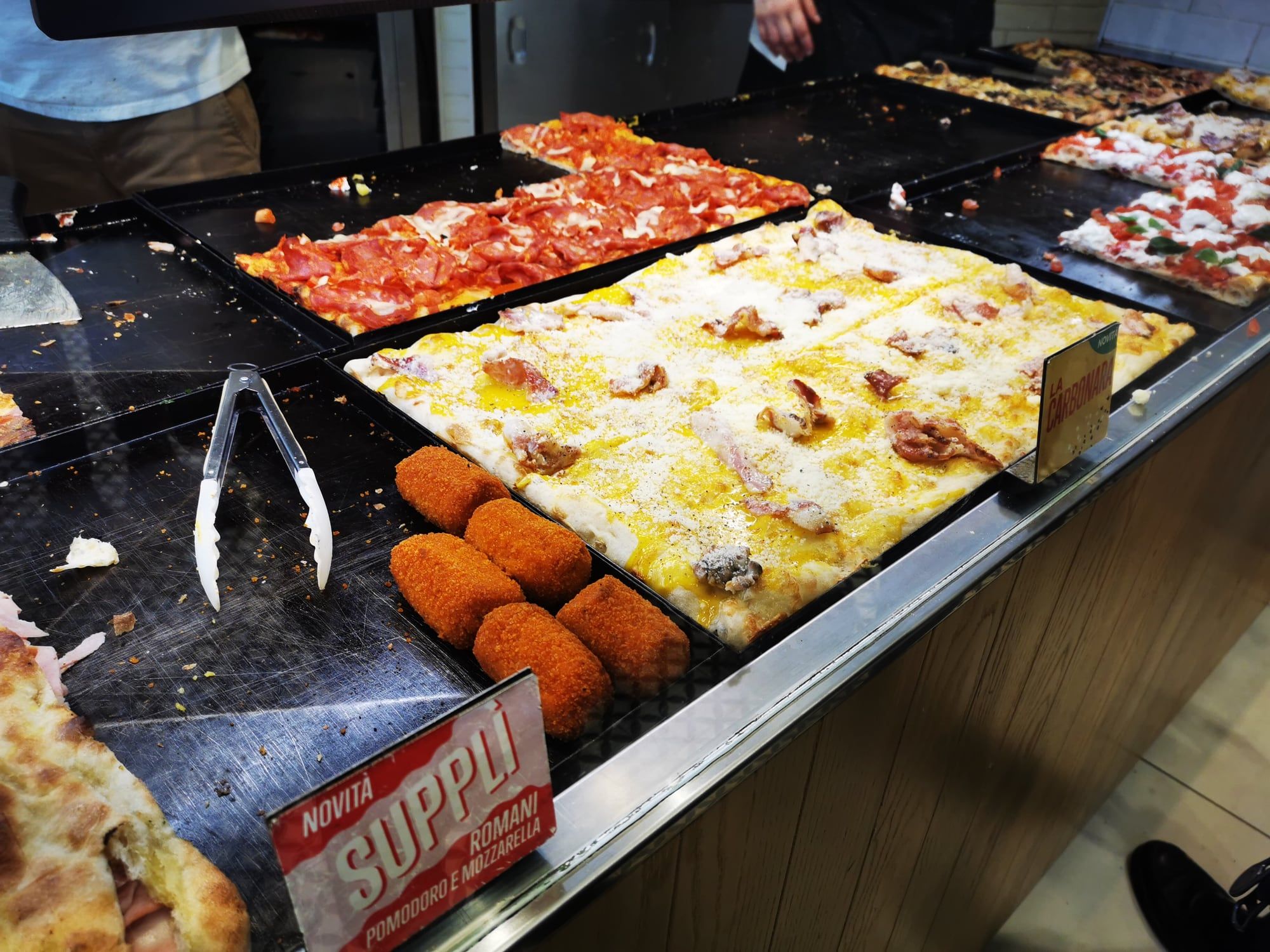
- A food tour that includes the Ghetto – most start at Campo de’ Fiori or the Ghetto and end in Trastevere over 3 hours, with the bakery, fried artichokes in season and supplì. Filter GetYourGuide’s food and drink category for “Jewish Ghetto” and a 4.8+ rating; the small-group evening tours with wine are the strongest sellers. Operator comparisons are on our food tours page.
- A Ghetto history walk – 1.5–2.5 hours with a licensed guide covering 1555, 1870, 1943, the synagogue exterior and the ruins, from about €25 on GetYourGuide’s walking tours. Several are led by members of the community; read the guide’s profile.
- Rome street food tour with the Jewish Quarter – from €45 on Tiqets, rated 4.7 from about 30 reviews (checked , daytime, includes the historic centre.
- The Jewish Museum – book direct on the museum’s site (€12 + €1) for a morning slot before your tour; it is not sold through the partner platforms.
Booking checklist
- Bring photo ID for the synagogue and museum; no large bags.
- Plan the museum for Sunday to Friday morning; Saturday everything Jewish-run is closed.
- Book food tours 3–5 days ahead in spring and autumn; free cancellation up to 24 hours on GetYourGuide.
- Order artichokes only November to April; ask “freschi?” if unsure.
- Kosher restaurants close Friday evening and Saturday lunch; non-kosher ones on the same street stay open.
- Wear shoes for uneven cobbles and stairs at the Teatro di Marcello; the walkway from the Portico d’Ottavia is stepped and not pram-friendly.
- Combine with Trastevere across Tiber Island rather than backtracking to the centre; the Jewish Ghetto to Piazza Trilussa is a 10-minute walk.