How these Rome itineraries are built
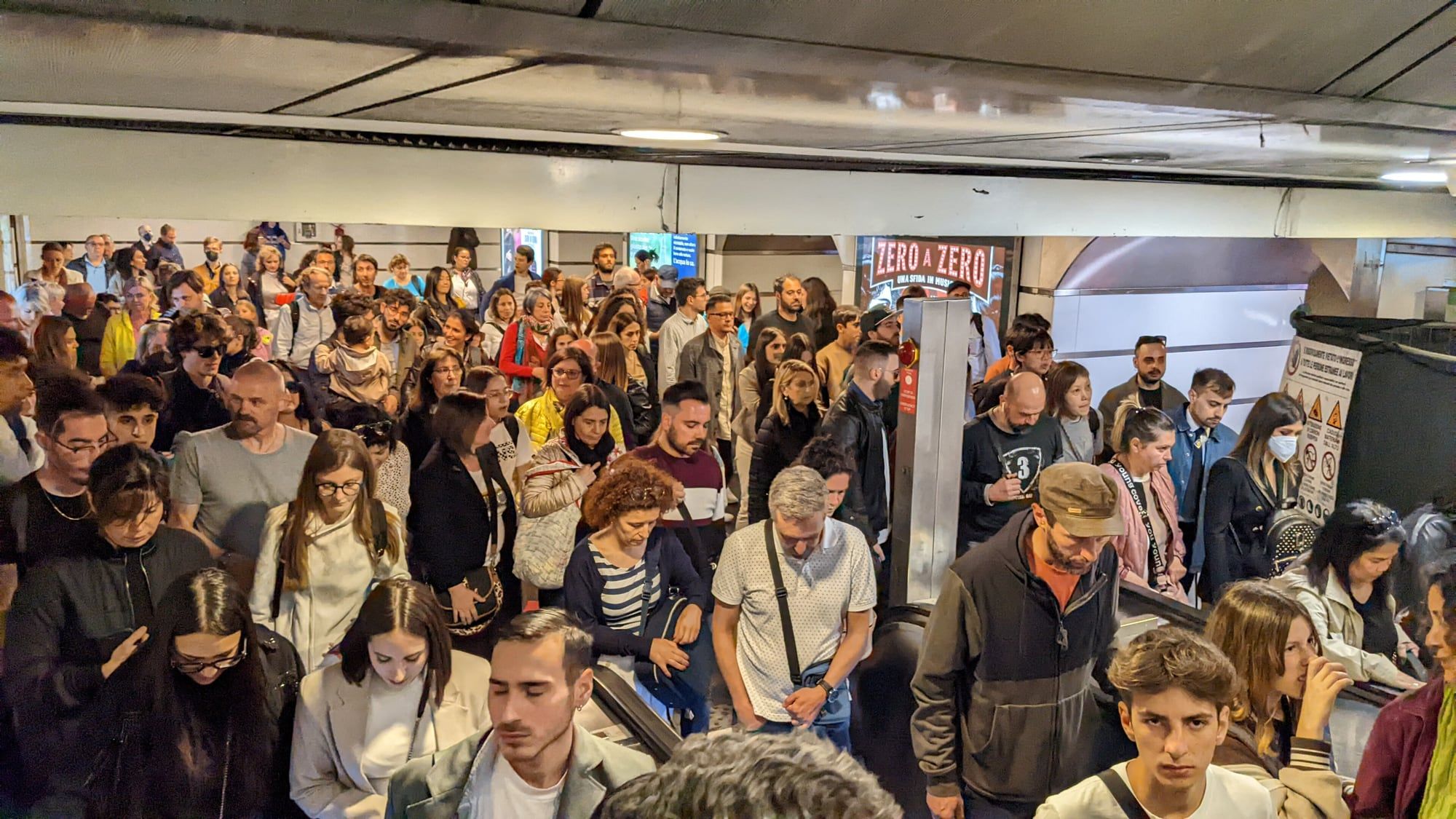
Three constraints shape every plan below. Opening hours: the Colosseum opens at 8:30 and closes an hour before sunset; the Vatican Museums open Monday to Saturday at 8:00, close at 19:00 with last entry 17:00, and shut on Sundays except the last of the month; the Borghese Gallery works in two-hour slots from 9:00, Tuesday to Sunday; the Pantheon is open 9:00–19:00; Castel Sant’Angelo and the Borghese close on Mondays. Geography: the ancient sites, the baroque centre and the Vatican are three separate zones, and crossing between them mid-day wastes an hour. Heat and crowds: from May to September the archaeological sites are punishing after 11:00, so they go first.
All times are for 2026 and assume you walk, which is the fastest way between most sights. A 24-hour ATAC ticket (€8.50) or 72-hour pass (€22) covers the few bus and metro hops; see transport.
One day in Rome
The classic loop: ancient Rome in the morning, the centre in the afternoon, Trastevere at night. About 12 km on foot. Leave the Vatican for another trip; it cannot be squeezed in without ruining both halves.
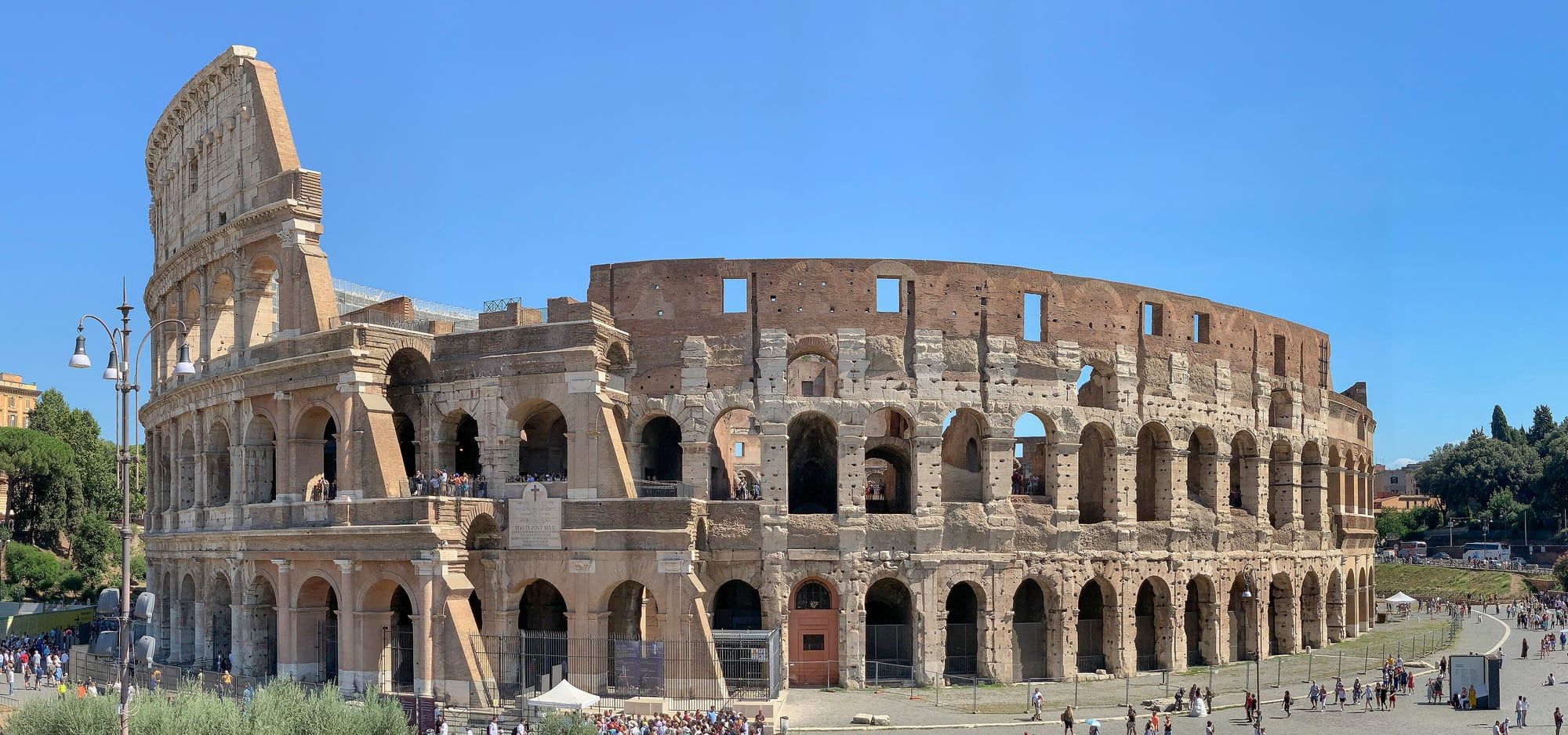
- 8:15 Be at the Colosseum for the first 8:30 slot, booked one to two weeks ahead on the official site (€18) or as a guided tour. If you take the Colosseum, Forum and Palatine tour on GetYourGuide, you get all three sites in three hours with a licensed guide and can skip the next two steps. Independent visitors: 60–75 minutes inside. See the Colosseum guide.
- 10:00 Cross to the Roman Forum via the Via di San Gregorio entrance (shorter queue than the Via dei Fori Imperiali one). Walk the Via Sacra to the Arch of Septimius Severus, climb the Palatine for the view over the Circus Maximus, exit towards the Capitoline. Details: Roman Forum and Palatine.
- 12:15 Piazza del Campidoglio and the free terrace over the Forum, then down the steps to Piazza Venezia. Lunch in the Jewish Ghetto (fried artichokes, 10 minutes’ walk) or Monti.
- 14:00 Pantheon: the ticket queue is shortest 14:00–15:30, €5, 25 minutes inside. Or pre-book a timed slot through the Pantheon guide.
- 15:00 Piazza Navona (5 minutes), then Campo de’ Fiori and back through Via del Governo Vecchio’s shops.
- 16:15 Trevi Fountain, 15 minutes’ walk east. It will be crowded; accept it, throw the coin, or come back after 23:00 from Trastevere by taxi.
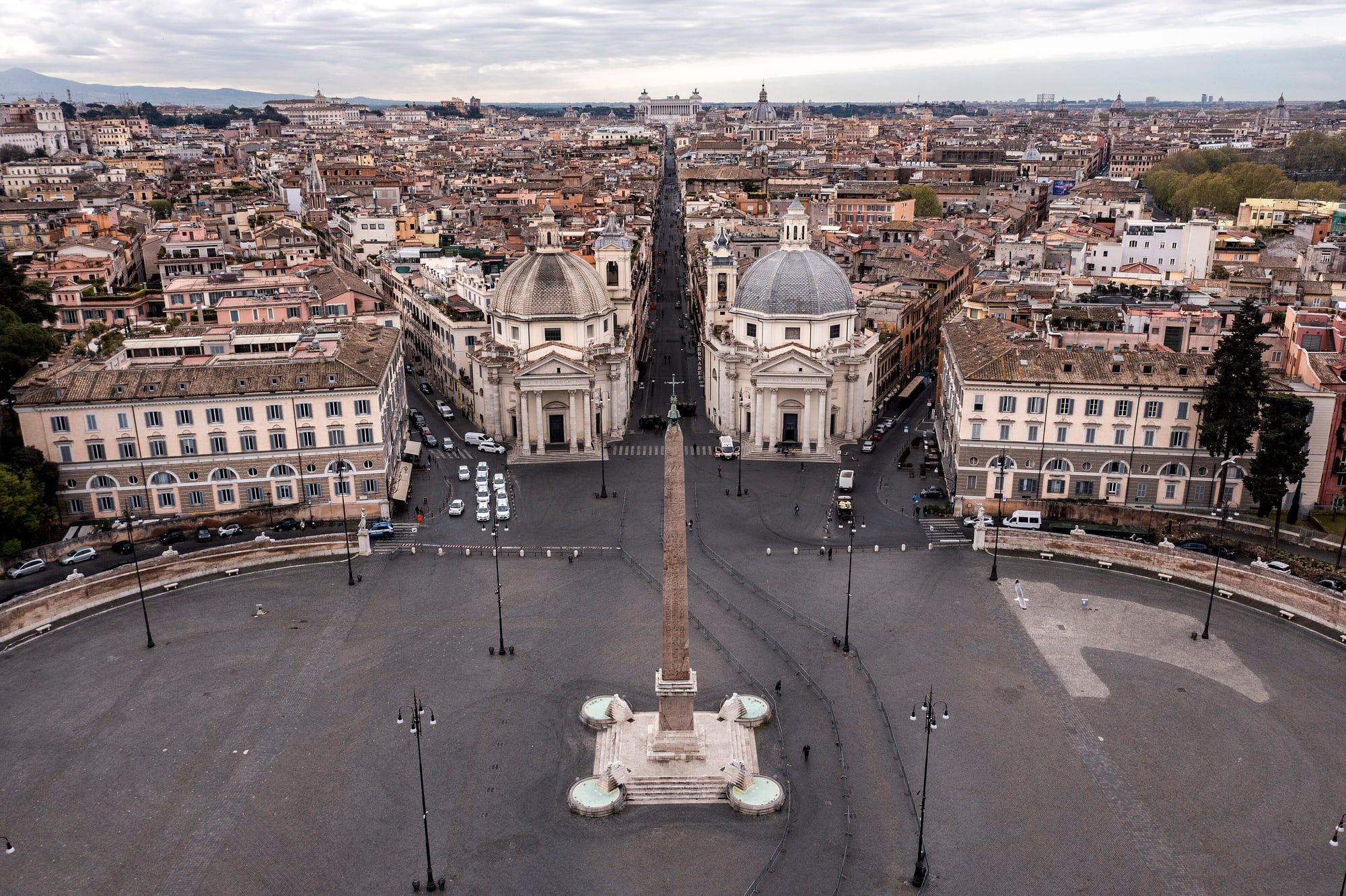
- 17:00 Spanish Steps and up to the Pincio terrace for sunset over Piazza del Popolo (sunset is 18:30 in October, 20:30 in June; adjust).
- 19:30 Bus 8 tram from Piazza Venezia or a 30-minute walk to Trastevere for dinner; book a table in high season. Piazza Trilussa after.
Pre-book: the Colosseum only. Pass: none; you use one paid site and the Pantheon.
Two days in Rome
Day 1 is the one-day plan above. Day 2 is the Vatican and the river.
Day 2: Vatican, St Peter’s, Castel Sant’Angelo
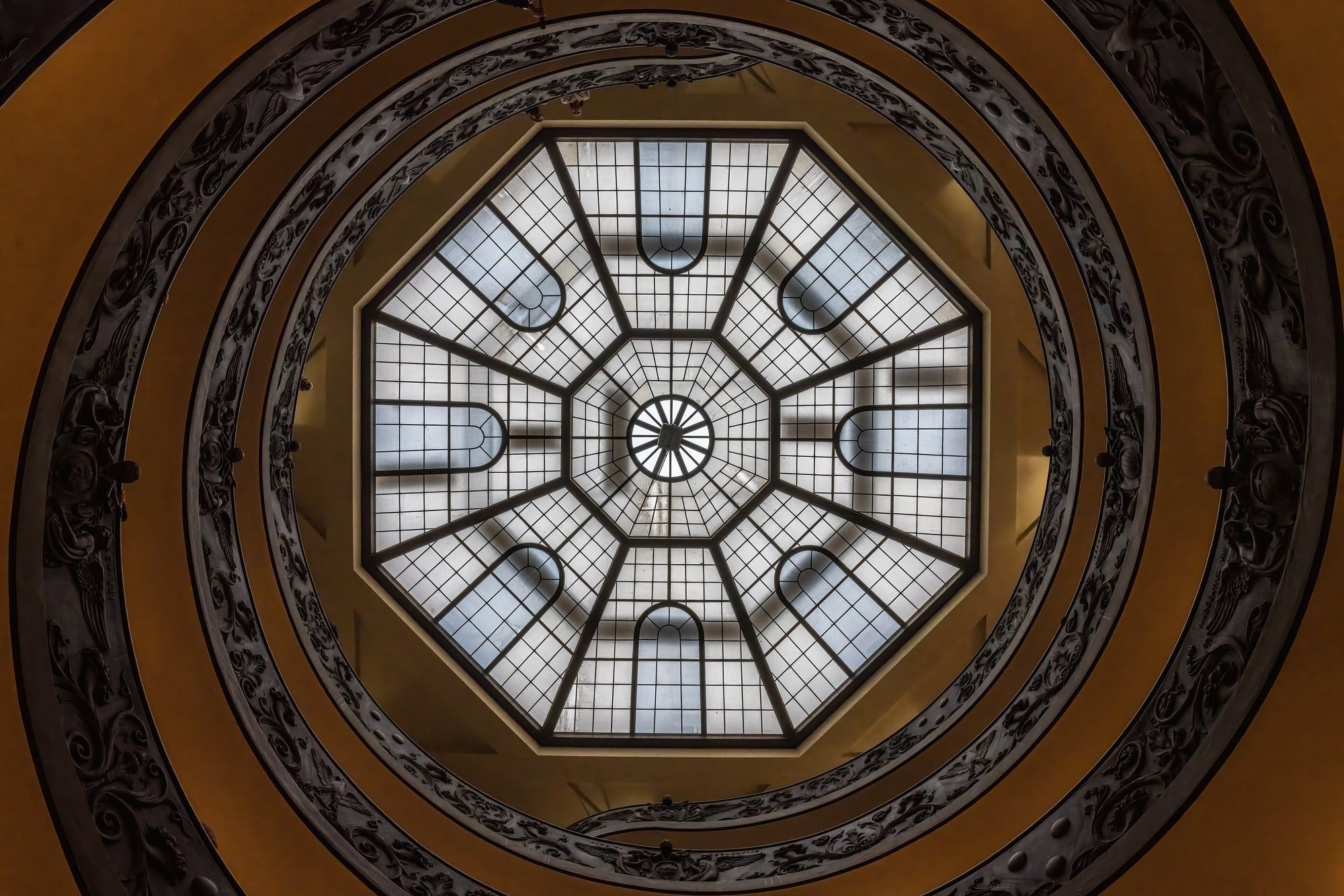
- 7:45 Metro A to Ottaviano or a taxi to the Vatican Museums entrance on Viale Vaticano. Reserved 8:00 entry (€20 + €5 online fee at our last check, booked one to three weeks ahead) or a guided tour. The Vatican Museums, Sistine Chapel and St Peter’s tour on GetYourGuide matters here for one practical reason: guided groups may use the door from the Sistine Chapel straight into St Peter’s, saving the 20-minute walk around the walls and the basilica security queue. See Vatican Museums tickets and the Sistine Chapel guide.
- 11:00 St Peter’s Basilica, free. Dome climb (about €8 stairs, €10 lift) adds 45 minutes; skip on a hot day. See St Peter’s Basilica.
- 13:00 Lunch in the Borgo (Borgo Pio, behind the colonnade) or Prati, where prices drop the further you get from the square.
- 14:30 Castel Sant’Angelo, 10 minutes along Via della Conciliazione: €16, 90 minutes, terrace view over the river, closed Mondays. See Castel Sant’Angelo.
- 16:30 Cross Ponte Sant’Angelo and walk Via dei Coronari (antique shops) to Piazza Navona, then Campo de’ Fiori for an aperitivo at 18:00.
- 20:00 Dinner in the Ghetto or Campo de’ Fiori area; the Trevi Fountain by night is 20 minutes on foot.
Pre-book: Colosseum and Vatican Museums. Pass: none. Two paid sites do not justify a pass; the Rome Tourist Card on Tiqets (€89, checked bundles the Colosseum, Vatican Museums and St Peter’s audio guide into one purchase for people who prefer a single booking, but it is a bundle of tickets, not a discount card; see Rome Tourist Card.
Three days in Rome
Days 1 and 2 as above. Day 3 adds the Borghese Gallery, a park morning and one afternoon chosen from three options. Three days in Rome is also where a pass starts to pay; the maths is in the next section.
Day 3: Borghese, Villa Borghese, then choose
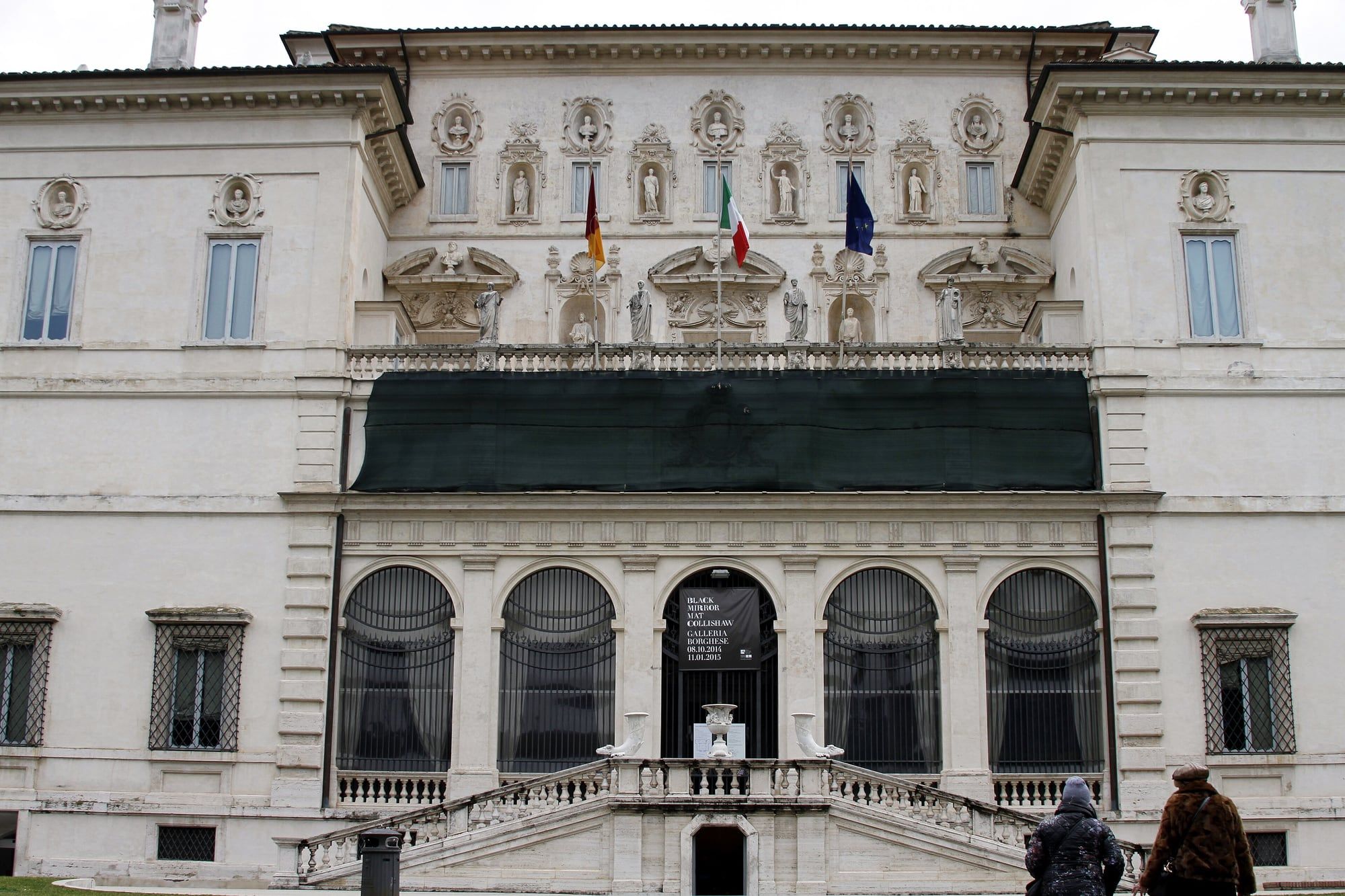
- 9:00 Borghese Gallery, the first two-hour slot. Reserve two to four weeks ahead (€15 + €2 booking fee at our last check); Bernini’s Apollo and Daphne, Caravaggio, Canova. Closed Mondays, so if day 3 is a Monday, swap it with day 2. See Borghese Gallery.
- 11:00 Walk through Villa Borghese to the Pincio terrace, then down to Piazza del Popolo and Santa Maria del Popolo for two free Caravaggios (closed at lunch, be there by 12:15).
- 12:45 Lunch around Via di Ripetta or, by metro A from Flaminio, back in the centre.
Afternoon option A: Appian Way and catacombs. Bus 118 from Circo Massimo to the Catacombs of San Callisto or San Sebastiano (guided visits only, about €10, closed Wednesdays at San Callisto), then walk the basalt road and rent a bike at the visitor centre. Sundays the road is car-free. See Appian Way and catacombs.
Afternoon option B: Ostia Antica. Metro B to Piramide, Metromare to Ostia Antica (35 minutes, €1.50 ticket), three hours in the ruins of Rome’s port with a fraction of the Forum’s crowd. See Ostia Antica.
Afternoon option C: Capitoline, Aventine, Testaccio. Capitoline Museums (about €16, 2 hours, the She-wolf and the Forum view from the Tabularium), then the Aventine keyhole and Orange Garden, then dinner in Testaccio. See Capitoline Museums and Aventine keyhole.
- 19:00 Whichever option: end in Trastevere or Testaccio. A food tour at 18:00 is the best last evening; formats on the food tours page.
Pre-book: Colosseum, Vatican Museums, Borghese Gallery. Pass: Roma Pass 72h, see below.
Which pass pays off
Tickets used by the 3-day plan, at official prices at our last check: Colosseum €18, Vatican Museums €25 (with online fee), Borghese €17, Castel Sant’Angelo €16, Pantheon €5, Capitoline €16 or catacombs €10, plus 72 hours of transport at €22. Total about €119.
- Roma Pass 72h, €58.50: two free entries (use it for the Colosseum and the Borghese, the two most expensive), reduced price at Castel Sant’Angelo and the Capitoline (roughly €8 each), and 72 hours of ATAC transport. The Colosseum still needs a reserved slot booked through the pass system for a €2 fee; the Borghese still needs its own reservation. Not valid at the Vatican or the Pantheon. Net for the 3-day plan: about €20 saved plus the convenience of one card for the metro.
- Roma Pass 48h, €36.50: one free entry and 48 hours of transport. Break-even only if you use the transport heavily.
- Omnia Card, from €149: Roma Pass 72h plus Vatican Museums entry, a St Peter’s audio guide, and a hop-on hop-off bus for 72 hours. It only pays if you would have used the bus anyway.
- Rome Tourist Card, €89 on Tiqets: Colosseum, Vatican Museums and St Peter’s audio tour bought as one bundle at roughly single-ticket prices; no transport, no discounts. Good for the 2-day plan if you want one checkout.
Verdict: one or two days, buy tickets directly. Three days with the plan above, the Roma Pass 72h pays narrowly and saves ticket-office time. Compare every card, with fees and fine print, on the city passes page or check availability in the city cards category on GetYourGuide.
Four or five days: what to add
With a fourth day, take a day trip: Tivoli (Villa d’Este and Hadrian’s Villa, 40 minutes by train or a coach tour), or Pompeii (a long day, 2 hours each way by high-speed train to Naples plus the local line). A fifth day is for what was cut: the Domus Aurea (weekends only, booked), the Vatican Gardens, the Jewish Ghetto at a slow pace, a morning at the beach in Ostia, or a cooking class. All options are on the day trips page.
Adjusting for the day of the week and the season
- Monday: Borghese, Castel Sant’Angelo and most state museums are closed. Do the one-day plan or the Vatican on Mondays.
- Sunday: Vatican Museums closed (free on the last Sunday, with a two-hour queue). Colosseum open; first Sunday of the month free and very crowded, see free Rome. Appian Way is car-free.
- Wednesday morning: papal audience in St Peter’s Square (when the Pope is in Rome) closes the basilica until about 12:30. Move St Peter’s to the afternoon.
- Summer: swap the day 1 afternoon for a siesta and do Trevi and Navona after 20:00. See when to visit.
- Winter: the Colosseum closes at 16:30 and sunset at the Pincio is at 17:00; compress the one-day plan by taking the Pantheon before lunch.
What to book, and when
- Colosseum, one to two weeks ahead; arena or underground a month ahead. Guided: Colosseum, Forum and Palatine tour.
- Vatican Museums, one to three weeks ahead, first slot of a weekday. Guided with the Sistine-to-basilica shortcut: Vatican tour on GetYourGuide.
- Borghese Gallery, two to four weeks ahead, 9:00 slot, only for the 3-day plan.
- Roma Pass or Rome Tourist Card, once the dates are fixed: city cards on GetYourGuide or Rome Tourist Card on Tiqets.
- A restaurant for the last night in Trastevere, and a food tour if you want the evening organised.
Everything else in this Rome itinerary is walk-up. Print or save the tickets offline, carry the ID that matches the booking name, and start every day by 8:30: in Rome the first two hours of the morning are worth four in the afternoon.