Is Tuscany doable in a day from Rome?
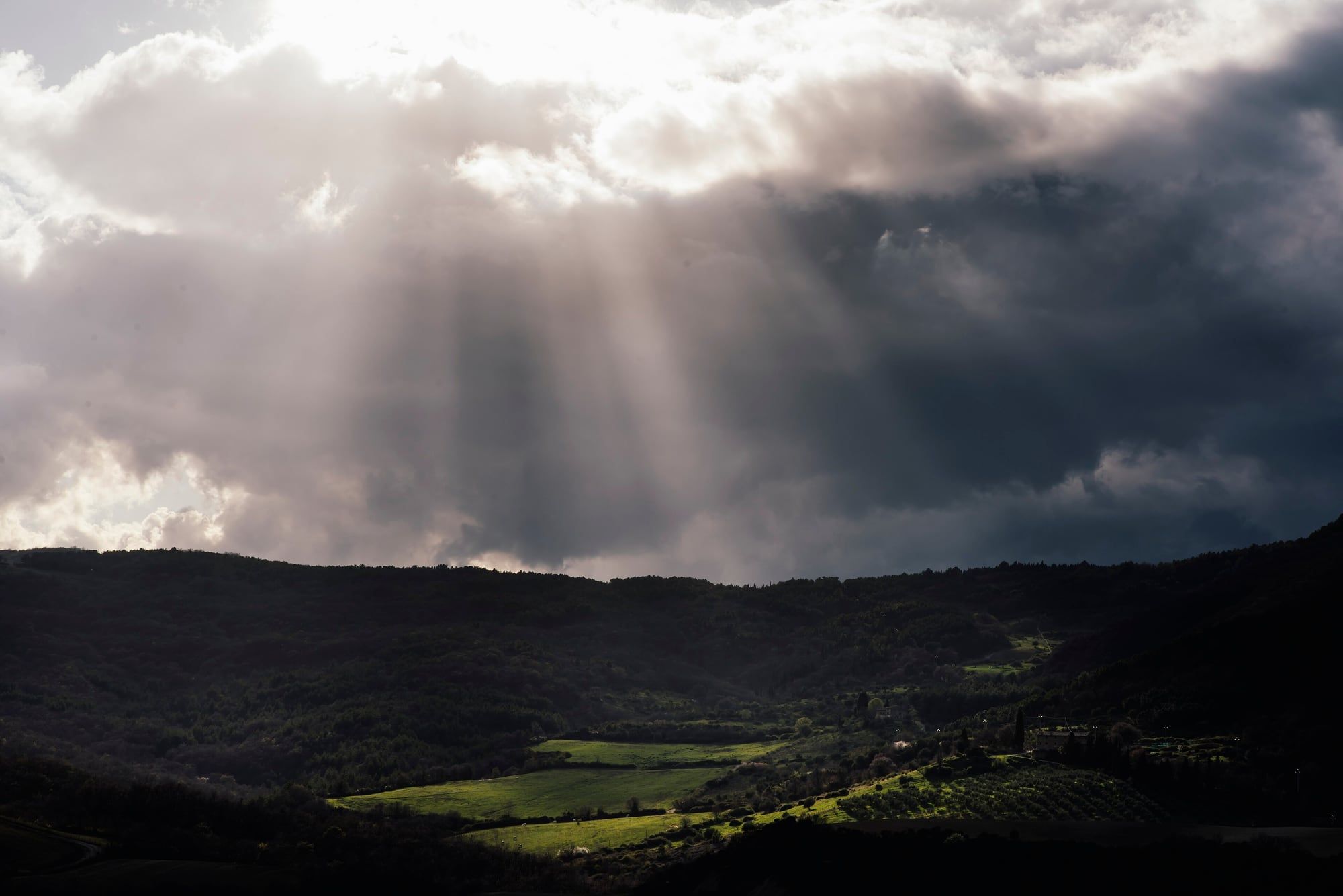
Southern Tuscany, yes. The Val d’Orcia, the UNESCO-listed valley of cypress lanes and wheat fields between Montepulciano and Montalcino, begins about 180 km north of Rome, two hours up the A1. A Tuscany day trip from Rome that concentrates on this corner gives you five or six hours on the ground: two hill towns, one winery, one long lunch. That is a good day.
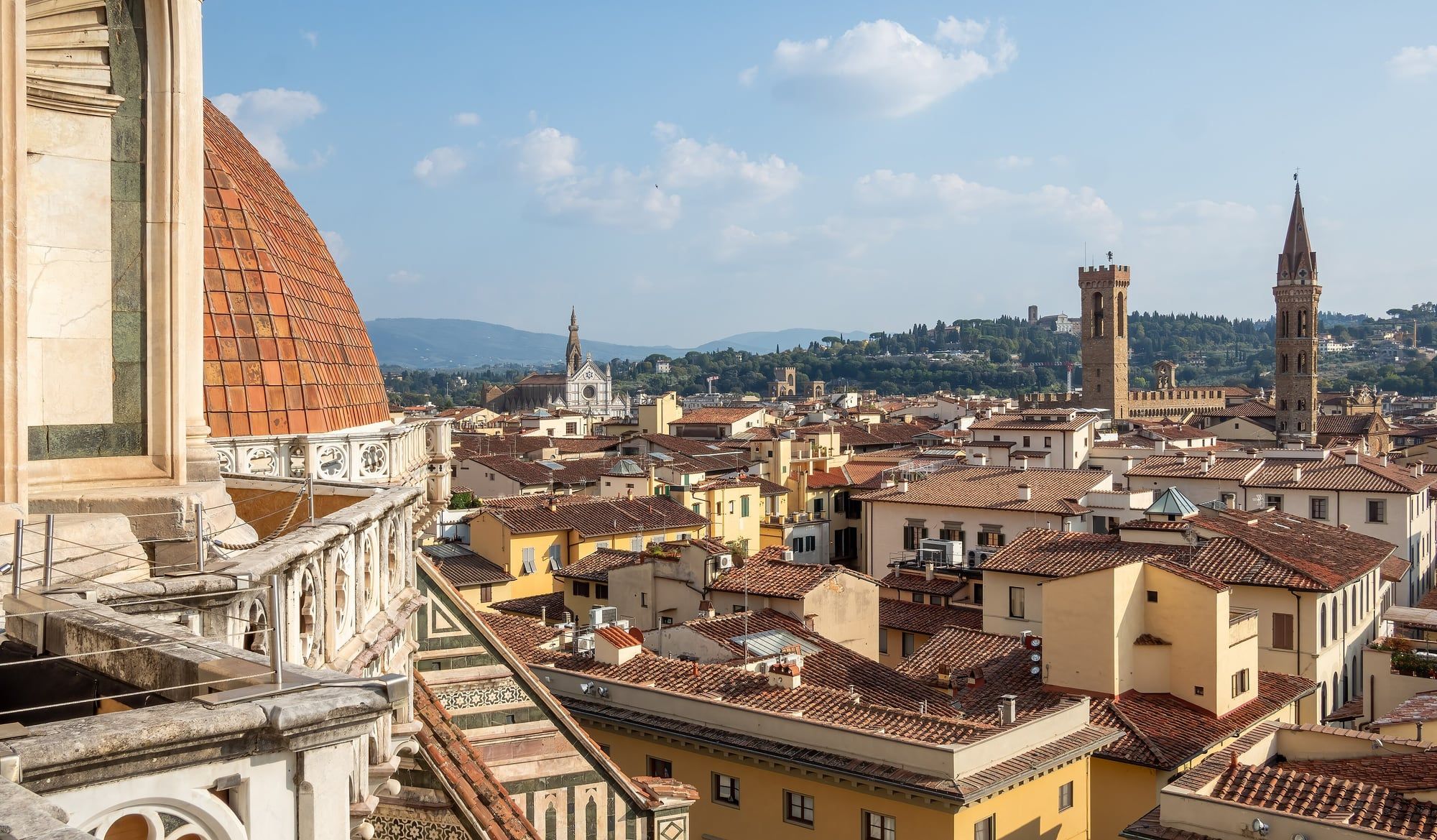
What is not doable is “Tuscany” as most people picture it from a guidebook: Florence plus Siena plus a vineyard. Florence is a separate day by train (see Florence day trip). Siena is three hours each way by coach. Chianti, between the two, is four hours from Rome and belongs to a Florence-based trip. Pick the southern loop and you will see the postcard landscape; try to see everything and you will see motorway.
The wine villages have no railway. Chiusi–Chianciano Terme station, on the Rome–Florence line, is 20 km from Montepulciano with a handful of buses a day. So the realistic choices are an organised tour, a private driver, or a hire car with a driver who is not tasting.
Train vs organised tour
Group coach tour with lunch: the standard format
The Tuscan Countryside day trip from Rome with lunch on Tiqets is €109, rated 4.9 from 22 reviews (checked our last check). The pattern is typical of the category: depart Rome around 7:30, walk Montepulciano with a guide, visit a winery in the Val d’Orcia for a tasting and a long lunch, stop in Pienza, drive back through the valley and reach Rome around 19:30. Coaches carry 30–50 people, which matters in the narrow streets but not at the winery.
Look for tours that name the towns and state the lunch is at the winery rather than a restaurant; the winery lunches are the best part of the day.
Small-group minivan tour: for photographs and Montalcino
Minivan tours (8–16 people) cost €130–180 and are more flexible: they stop at the roadside for the famous cypress groves near San Quirico d’Orcia, add Montalcino for Brunello, or Bagno Vignoni for its Roman thermal pool in the piazza. The Tuscany tours category on GetYourGuide lists the Rome departures; filter by “from Rome” and group size.
Siena by coach: one town, done properly
Siena tours from Rome (€90–120) spend three hours each way for four to five hours in the city: the Piazza del Campo, the striped Duomo, the Palazzo Pubblico. Some add San Gimignano. They are for travellers who specifically want Siena; the countryside tours are better value in scenery per hour. By train, Siena needs a change at Chiusi or Florence and 3–3.5 hours each way, which rules it out as a day trip.
DIY by hire car: freedom with a cost
A small hire car from Rome costs €60–90 a day plus fuel and about €15 in tolls each way. The A1 to the Chiusi exit takes 1h45, then 25 minutes to Montepulciano. Advantages: you choose the stops and the timing. Disadvantages: ZTL camera zones in every hill town (park outside the walls), someone has to skip the tastings, and returning a car in central Rome at 19:00 is its own adventure. Book wineries in advance; walk-ins are welcome at the larger estates but not the family ones.
Private driver: for four or more
At €600–800 per vehicle, a private driver for a group of six costs less per head than two seats on a small-group tour, with hotel pick-up and a route built around your interests, wine or otherwise. Ask the operator to book the wineries; they know which ones seat a group at 13:00.
Suggested timetable (group tour)
| Time | Step |
|---|---|
| 7:15 | Meet near Termini or Piazza della Repubblica |
| 7:30 | Depart on the A1 |
| 9:00 | Short stop at a service area |
| 9:45–11:15 | Montepulciano: walk up the Corso to Piazza Grande, a cantina under the palazzi |
| 11:45–14:00 | Winery in the Val d’Orcia: cellar tour, three-wine tasting, lunch |
| 14:30–15:45 | Pienza: Piazza Pio II, the pecorino shops, the belvedere over the valley |
| 16:00–16:30 | Photo stop near San Quirico d’Orcia or the Cappella della Madonna di Vitaleta |
| 16:30 | Depart for Rome |
| 19:30 | Rome |
If you are driving yourself, start with Pienza at 9:30 (quietest then), do Montepulciano at 11:00, lunch at a winery near Montalcino at 13:00 and drive back through the valley at 16:00 when the light is best.
What to see in southern Tuscany
Montepulciano is a long, steep Renaissance street climbing to Piazza Grande, lined with cantine that let you taste Vino Nobile in cellars carved into the rock. Two hours is right: the walk up, the piazza, one cellar, a coffee.
Pienza was rebuilt as an ideal city by Pope Pius II in the 1460s and is tiny: the piazza, the cathedral, the Palazzo Piccolomini garden and the walkway along the walls with the Val d’Orcia below. It is also the pecorino capital; buy a wedge of the aged cheese to take home.
The Val d’Orcia is the landscape between them: the cypress-lined road at San Quirico, the Vitaleta chapel, the farmhouses on ridges. Most tours stop once or twice for photos. The valley looks best in May and in October, and worst in August.
Montalcino and Bagno Vignoni appear on small-group tours: the former for Brunello, Italy’s most expensive mainstream red; the latter for the Renaissance thermal pool that fills the main square and the free hot stream below the village.
Siena, if you choose it, is the Campo, the Duomo (about €8 for the cathedral, €20 for the full complex pass) and the streets in between. Skip the Torre del Mangia on a day trip; the queue eats an hour.
How to save
- Choose the group coach tour unless group size matters to you; the wineries and lunches are similar to the small-group tours at 40% less.
- Travel in May or October for the best light and the same prices; tours discount in November–March but the hills are brown.
- Buy wine at the winery, not in the towns. Estate prices are 20–30% lower than the shops on the Corso, and most estates ship to the EU.
- Skip the extras. Truffle hunting and cooking-class add-ons double the price; save those for food tours in Rome.
- Hire a car for two or more days if you also want Orvieto and Civita di Bagnoregio; one day of Tuscany rarely justifies the rental hassle on its own.
Who it suits and who should skip it
The southern Tuscany loop suits couples, wine drinkers, photographers and anyone who wants a slow day after three days of Roman queues. Lunch is the centrepiece; if you do not care for a two-hour meal, you will find the afternoon long.
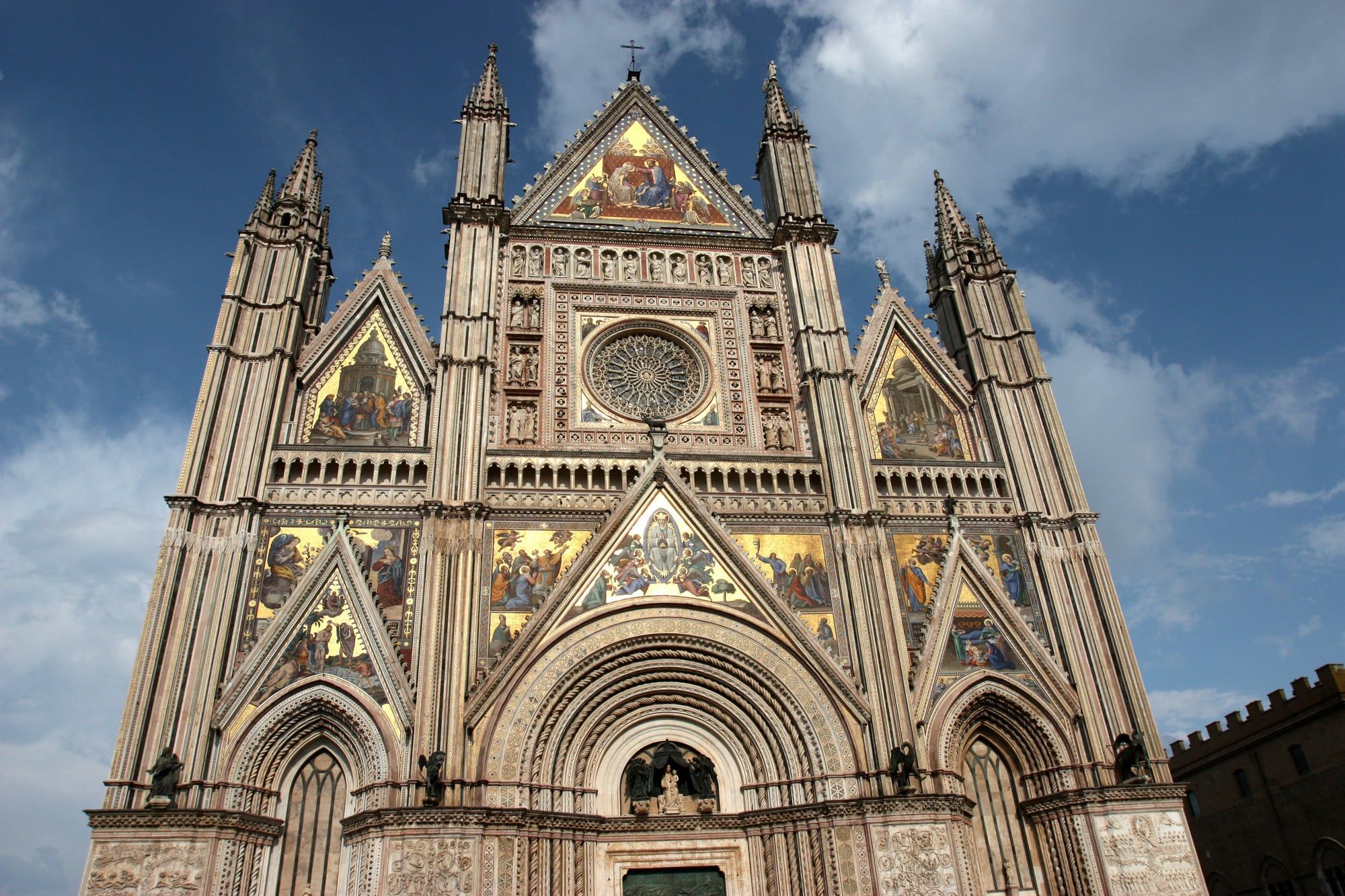
Skip it if you are travelling with young children (the coach time and the tastings are wasted on them), if you want Florence’s museums (take the train), or if you have already seen Chianti; the scenery is similar and the drive is longer. Consider Orvieto instead: it is an hour and a quarter by train and delivers a hill town, a cathedral and Umbrian wine with no coach at all.
Booking checklist
- Confirm the towns on the itinerary and where lunch is served.
- Check the group size cap if you care about it; “small group” means 8 to 16.
- Eat breakfast; the first tasting is often before 11:00.
- Wear flat shoes with grip: Montepulciano climbs 100 m from the gate to the piazza.
- Bring a layer even in June; the hill towns are 500–600 m up and windy.
- Carry cash for bathrooms and small cantine.
- Check that your hotel is within reach of the meeting point at 7:15; some tours pick up only at fixed stops.
- Leave space in your luggage for wine, or ask about shipping at the winery.
Combine with
- Florence day trip — a separate day by train; not combinable with the wine country.
- Orvieto day trip — the same hill-town feel an hour from Rome by train, and often bundled with Montepulciano and Civita di Bagnoregio on tours.
- Food tours in Rome — if the wine is the point, a Rome-based tasting is cheaper and has no coach.
- Transport from Rome — car hire pick-up points and how to leave the city by road.
A Tuscany day trip from Rome works best as a single, well-chosen loop: Montepulciano, a winery, Pienza, the valley road home. Book a tour that names those places, pick a date in May, June or October, and let the driver worry about the ZTL cameras. See all day trips from Rome for alternatives.