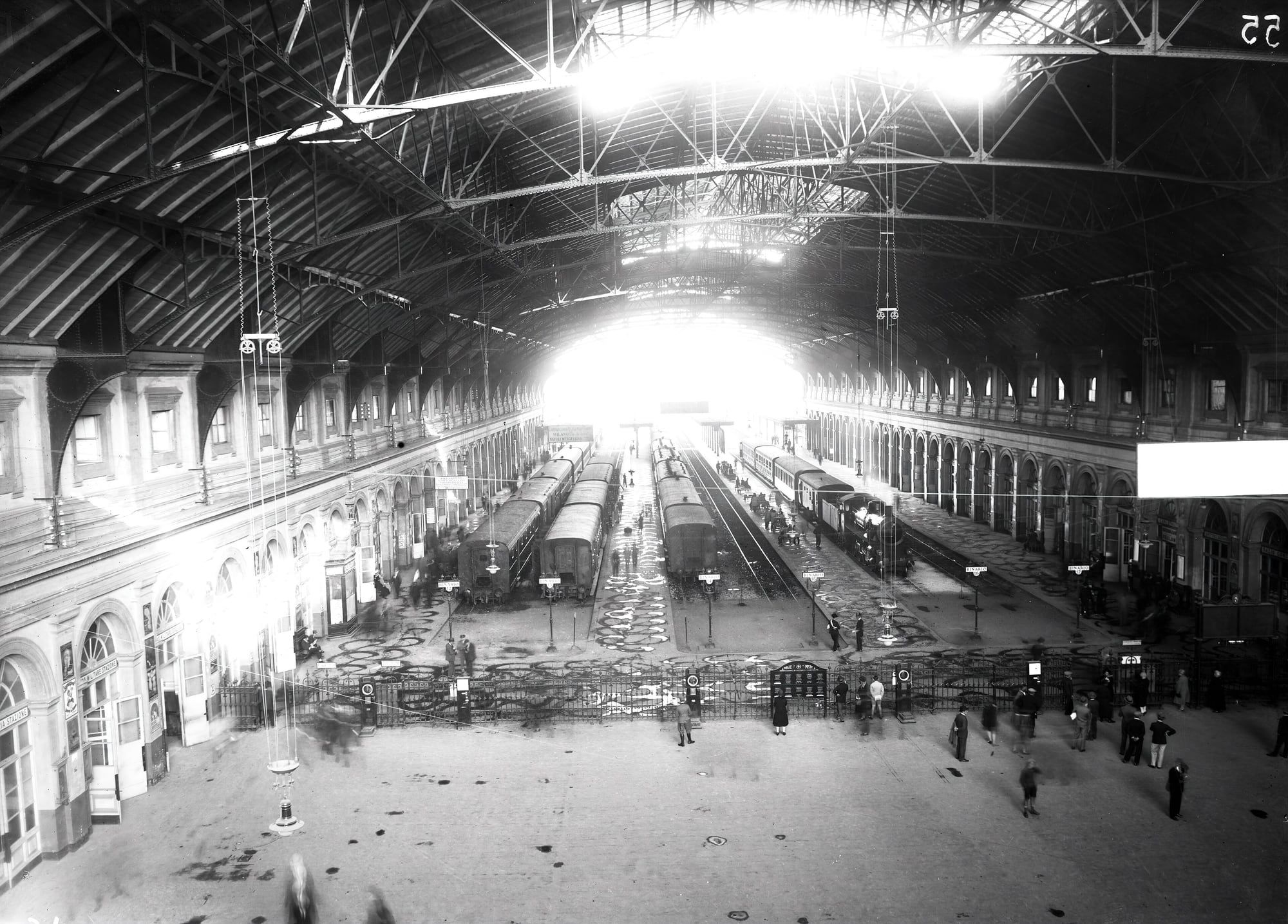
How hop-on hop-off Rome buses work
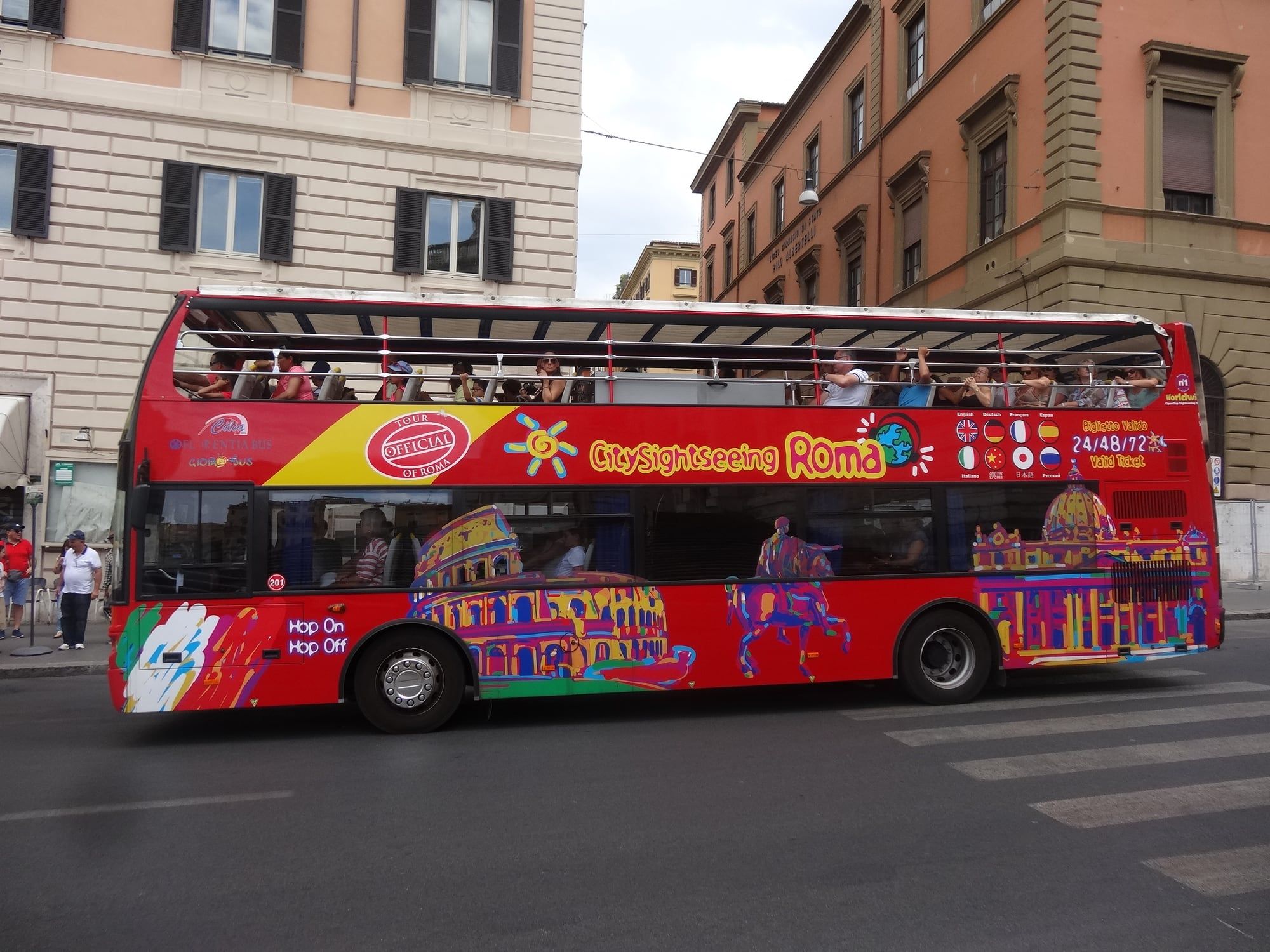
Every hop-on hop-off bus in Rome does the same thing: an open-top double-decker drives a fixed loop through the centre, you buy a ticket valid for 24, 48 or 72 hours from first validation, and you get off and back on at any stop as often as you like. Recorded commentary plays through disposable earphones in eight to sixteen languages; a few buses add a live host who points things out in English and Italian.
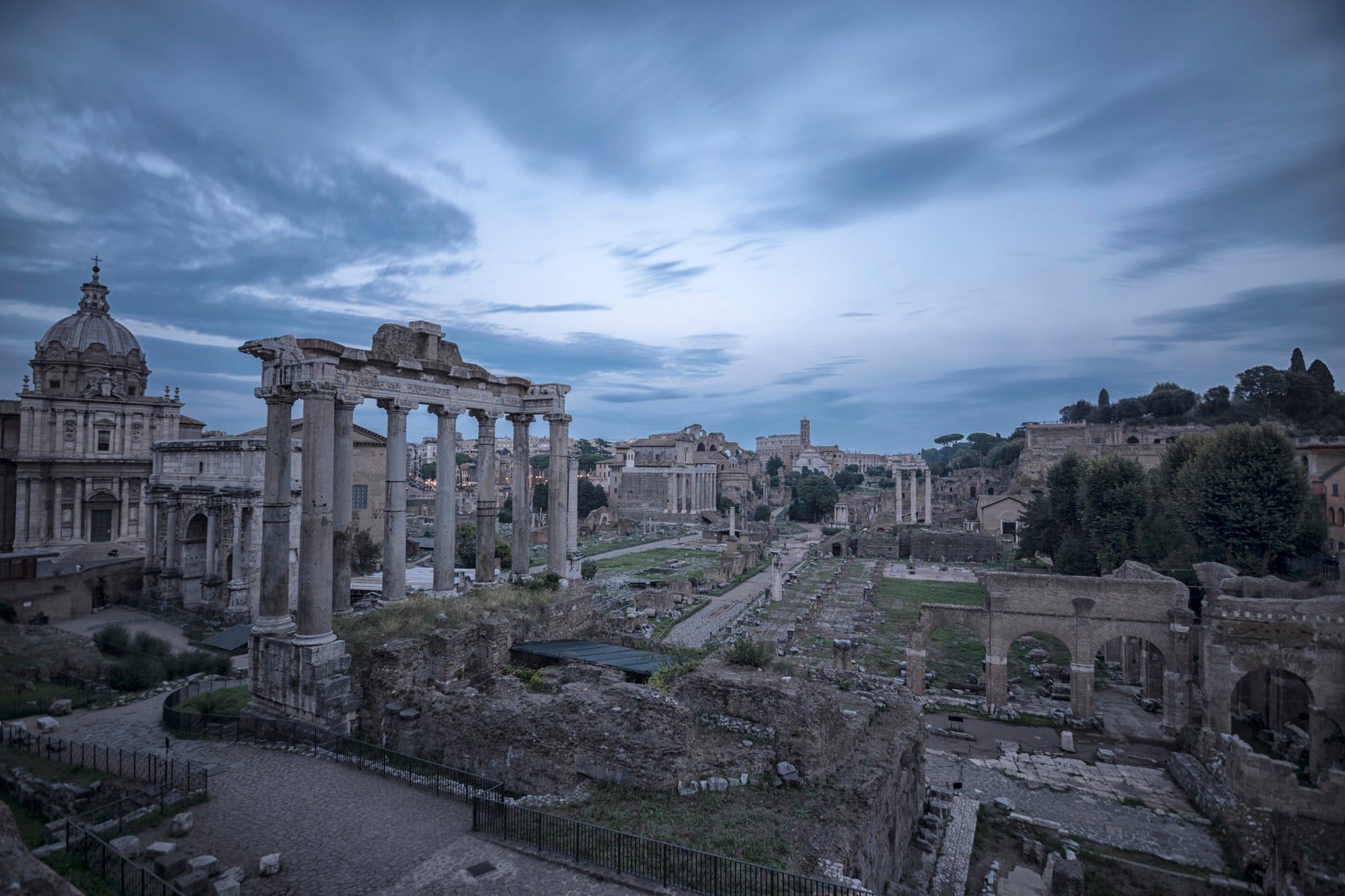
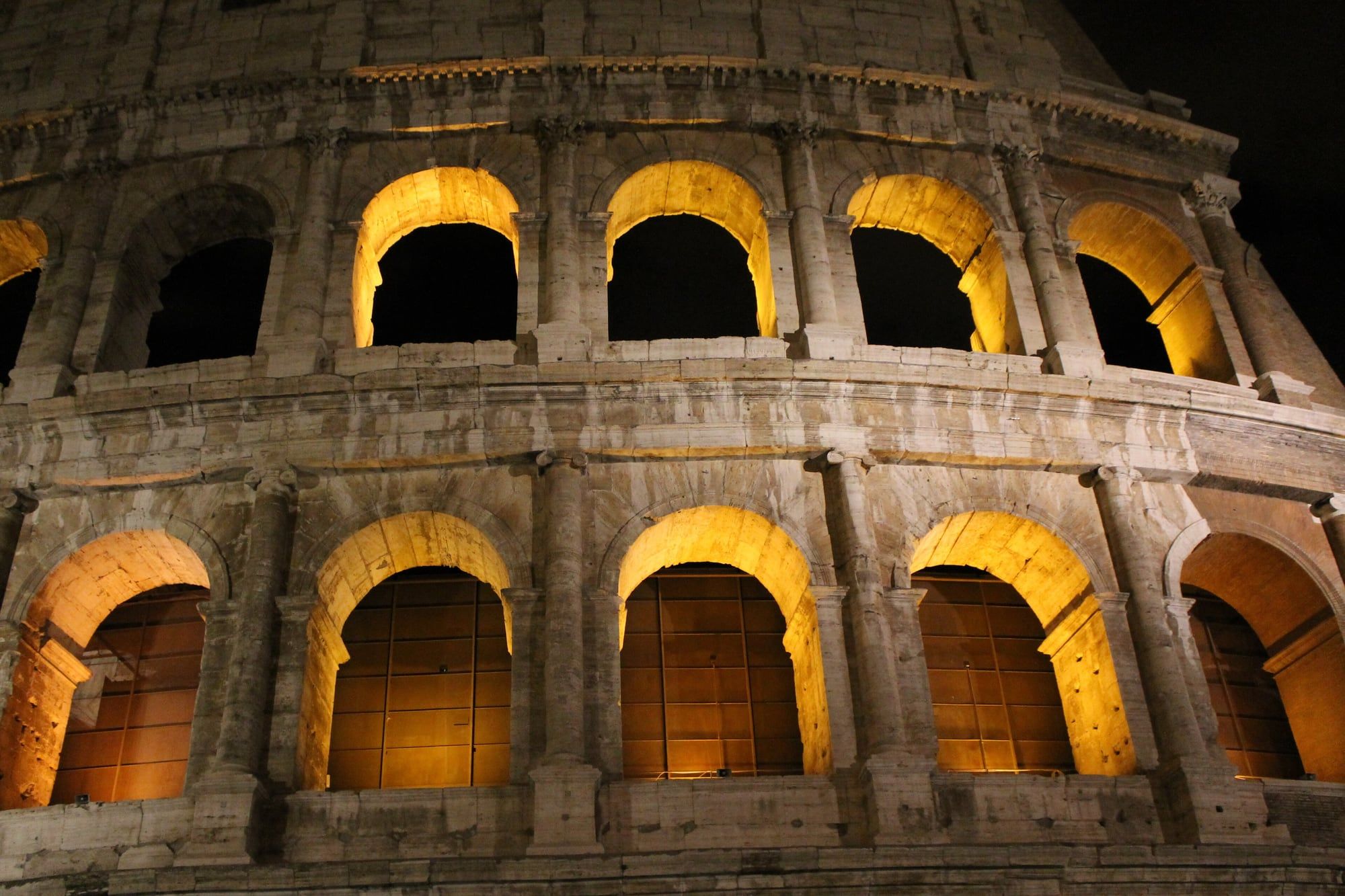
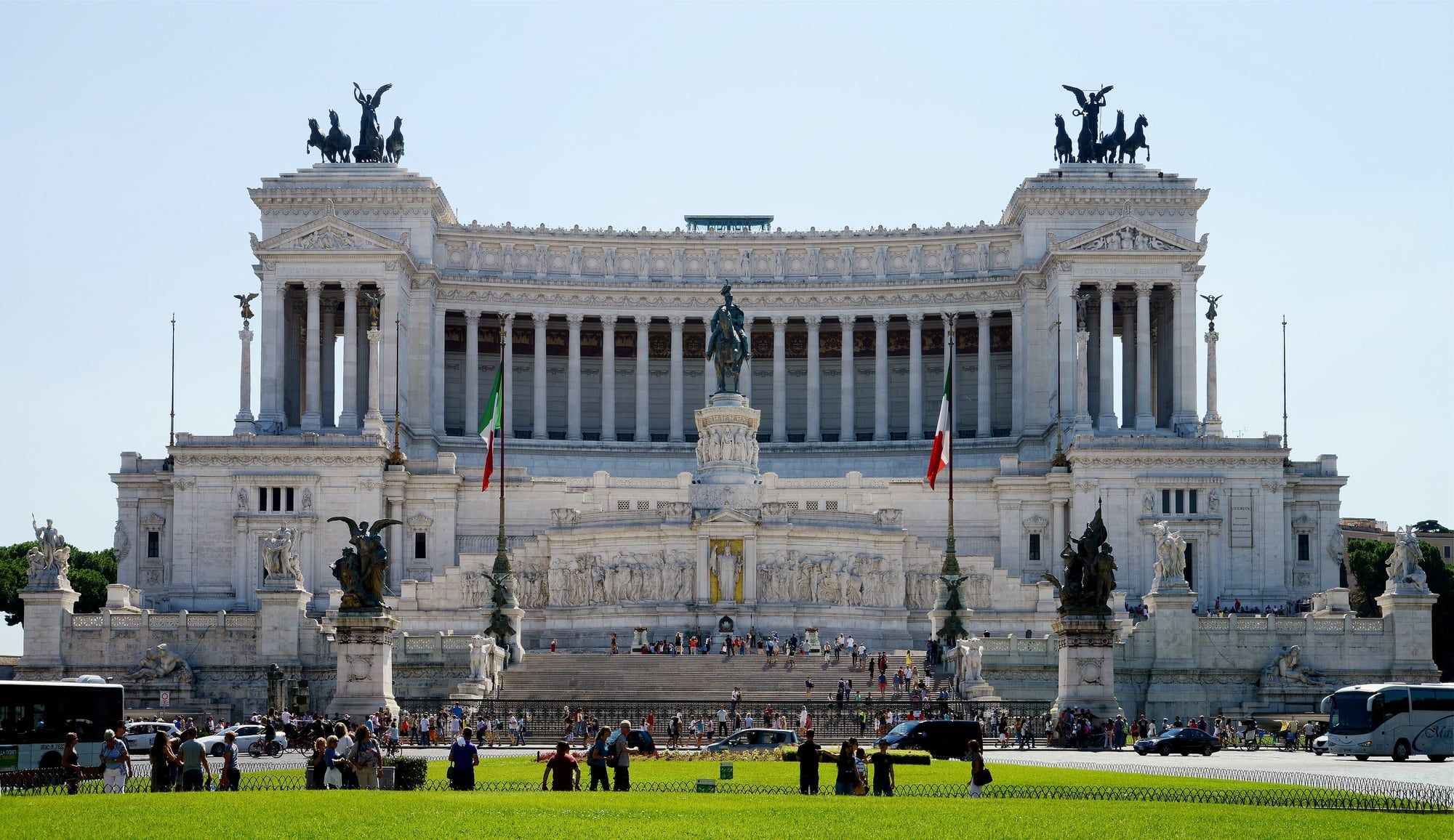
The loop is dictated by geography and the ZTL. Buses of this size cannot enter the pedestrianised centro storico, so the route circles it: Termini station down to Santa Maria Maggiore or Piazza della Repubblica, along Via Nazionale or Via Cavour to Piazza Venezia, past the Forum to the Colosseum, round Circus Maximus, back up to Piazza Venezia, across the river to the Vatican, then back via Piazza Barberini to Termini. A full loop takes roughly 100 minutes without traffic; count on two hours on a Saturday afternoon.
What that means in practice:
- You can reach the Colosseum, Forum, Circus Maximus, Vittoriano, Castel Sant’Angelo and St Peter’s to within a short walk of the entrance.
- You cannot reach the Pantheon, Piazza Navona, Trevi Fountain, Spanish Steps or Trastevere without walking 10–15 minutes from the nearest stop (Piazza Venezia, Barberini or Largo Argentina depending on operator).
- Buses are stuck in the same traffic as taxis. Between 16:00 and 19:00 on weekdays the Vatican-to-Termini leg can take 40 minutes.
Tickets are sold at the stops (Termini and the Colosseum have staffed kiosks), on board, and cheaper online through GetYourGuide and Tiqets with free cancellation. Online tickets are mobile vouchers scanned by the driver on first boarding; the clock starts at that moment, not at purchase.
Formats compared: the four operators
The Ticket Comparison table above gives current starting prices; here is what actually differs, at our last check.
City Sightseeing Rome
The red buses with the yellow logo run the “yellow line”, a loop of eight stops covering Termini, Santa Maria Maggiore, Colosseum, Circus Maximus, Piazza Venezia, Vatican (Via della Conciliazione), Piazza Cavour and Barberini. Audio in eight languages including Chinese and Russian, free WiFi, paper map. It is the biggest seller on GetYourGuide, rated 4.0 from about 18,000 reviews, from €15 for 24 hours; on Tiqets the same ticket is €18 with a rating of 3.8 from about 1,300 reviews. Reviews complain most about waiting times in summer and buses arriving full. It is the sensible choice when price is the deciding factor and you will use it for one day. Check the current City Sightseeing price.
Big Bus Rome
Big Bus runs a newer fleet on a longer loop that includes stops closer to the Vatican Museums entrance and Piazza Navona’s edge, plus an app with live bus tracking that removes the biggest annoyance of the format. Audio in seven or more languages, a one-hour night panoramic tour sold as an add-on (about €23 on Tiqets), and 24/48/72-hour options. Rated 4.1 from about 12,000 reviews on GetYourGuide, from €20 for the basic ticket; Tiqets lists it from €29 with a 4.0 rating. Pay the premium if you will use the bus for two or three days or want the night loop bundled. Compare Big Bus options.
Green Line Tours
The local operator, with a fleet that is older but a ticket menu that is more flexible: a single-run panoramic ticket, a daily ticket, 24/48/72-hour passes and a night tour, all from €15 on Tiqets (rated 3.9 from about 100 reviews). Sixteen audio languages, including Greek, Hebrew, Hindi and Polish, and an assistant on board. Green Line also sells combined tickets with Colosseum entry and runs day trips to Tivoli and Pompeii; the Green Line Tours review covers those. Choose it for a language the others lack, or for the one-run ticket if you only want a single loop.
I Love Rome
The panoramic bus marketed by I Love Rome runs a loop with the same core stops and is the best-rated option on Tiqets: 4.2 from about 500 reviews, from €17.60 for 24 hours, twelve audio languages, WiFi. It is a good middle ground between City Sightseeing’s price and Big Bus’s polish, and the Tiqets hop-on hop-off page lists it side by side with the others so you can pick by departure point.
The Tiber hop-on hop-off boat
Not a bus but sold like one: a flat-bottomed boat runs the Tiber between Castel Sant’Angelo and Isola Tiberina with recorded commentary and a handful of landing stages. The river is embanked and well below street level, so views are of bridges and plane trees rather than monuments; it is a relaxing second-day hour rather than a sightseeing tool. Sold on GetYourGuide as the Tiber River hop-on hop-off boat; combined bus-and-boat tickets exist but rarely save money.
Quick verdict
| Operator | 24 h price from | Rating (platform) | Pick it for |
|---|---|---|---|
| City Sightseeing | €15 (GYG) | 4.0, ~18,000 (GYG) | Lowest price, one day |
| Big Bus | €20 (GYG) | 4.1, ~12,000 (GYG) | App tracking, 48–72 h, night add-on |
| Green Line | €15 (Tiqets) | 3.9, ~100 (Tiqets) | 16 languages, single-run ticket |
| I Love Rome | €17.60 (Tiqets) | 4.2, ~500 (Tiqets) | Best-rated, 12 languages |
Who it suits and who should skip it
The bus earns its price for:
- Arrival day with luggage dropped and no plan. One loop in 100 minutes gives you the geography, and you get off wherever looks best.
- Anyone who cannot walk far. Every operator has at least some low-floor buses with a wheelchair space; the accessible Rome guide has the details. Seated sightseeing with shade beats a stick and cobbles.
- Families with under-tens who need a break between the Colosseum and the Vatican; the top deck is a treat in itself.
- Cruise passengers from Civitavecchia who take the train to Termini and want a guaranteed loop past everything before the return train.
- Heat. In July and August, moving air on the top deck at 11:00 is more pleasant than the pavement.
Skip it if:
- You have two or more days and normal fitness. The centre is 3 km across; walking between sights is the point of Rome. A licensed walking tour gives you a live guide for the price of a Big Bus ticket.
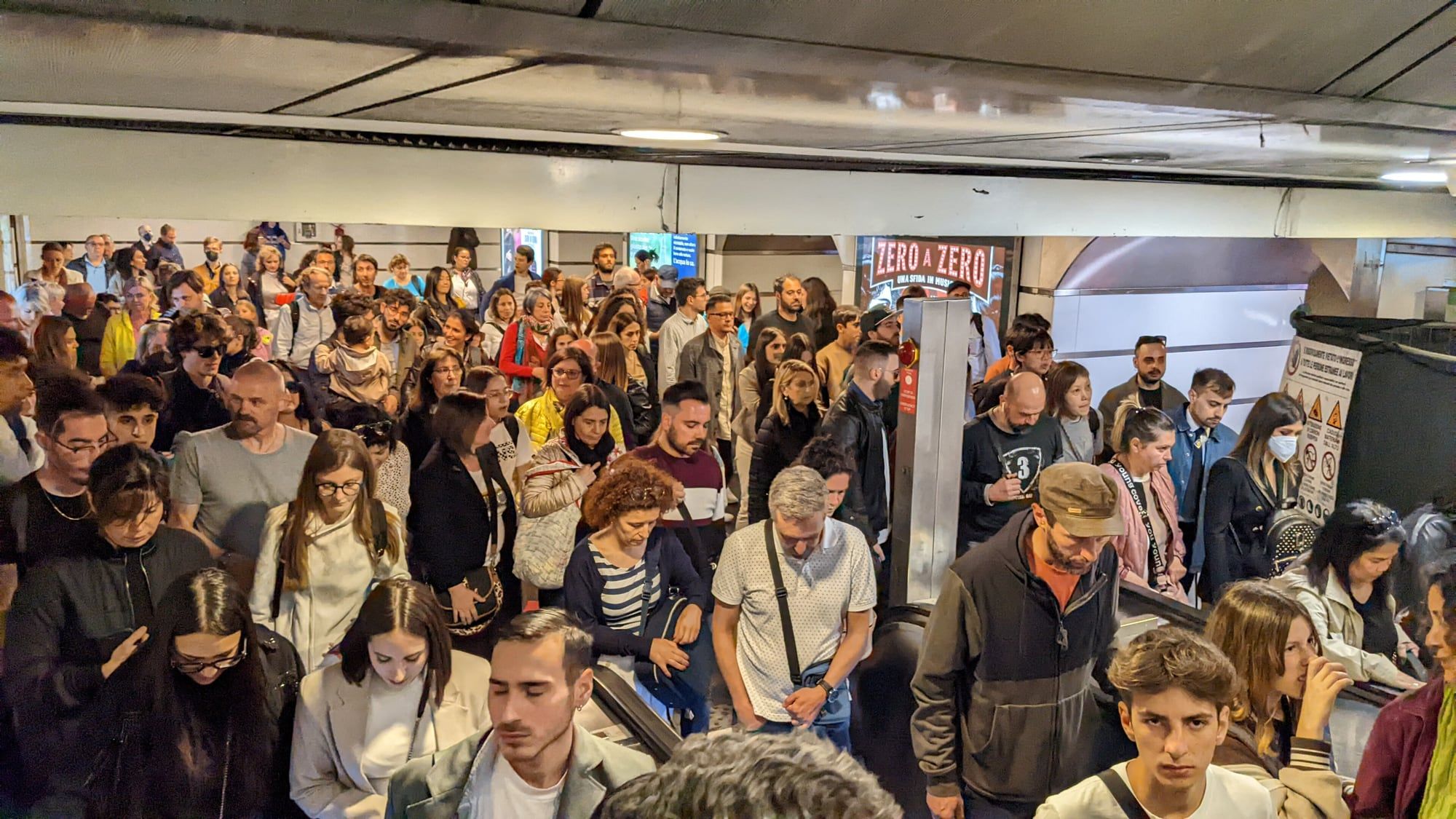
- You want transport. The metro (line A for Spanish Steps and Vatican, line B for Colosseum) and the ATAC bus network are faster and cost €1.50 per ride or €8.50 for 24 hours. Bus 40 Express and bus 64 both run Termini–Piazza Venezia–Vatican, which is the spine of every hop-on loop. Details in the transport guide.
- You expect to see the Pantheon or Trevi from the bus. You will not.
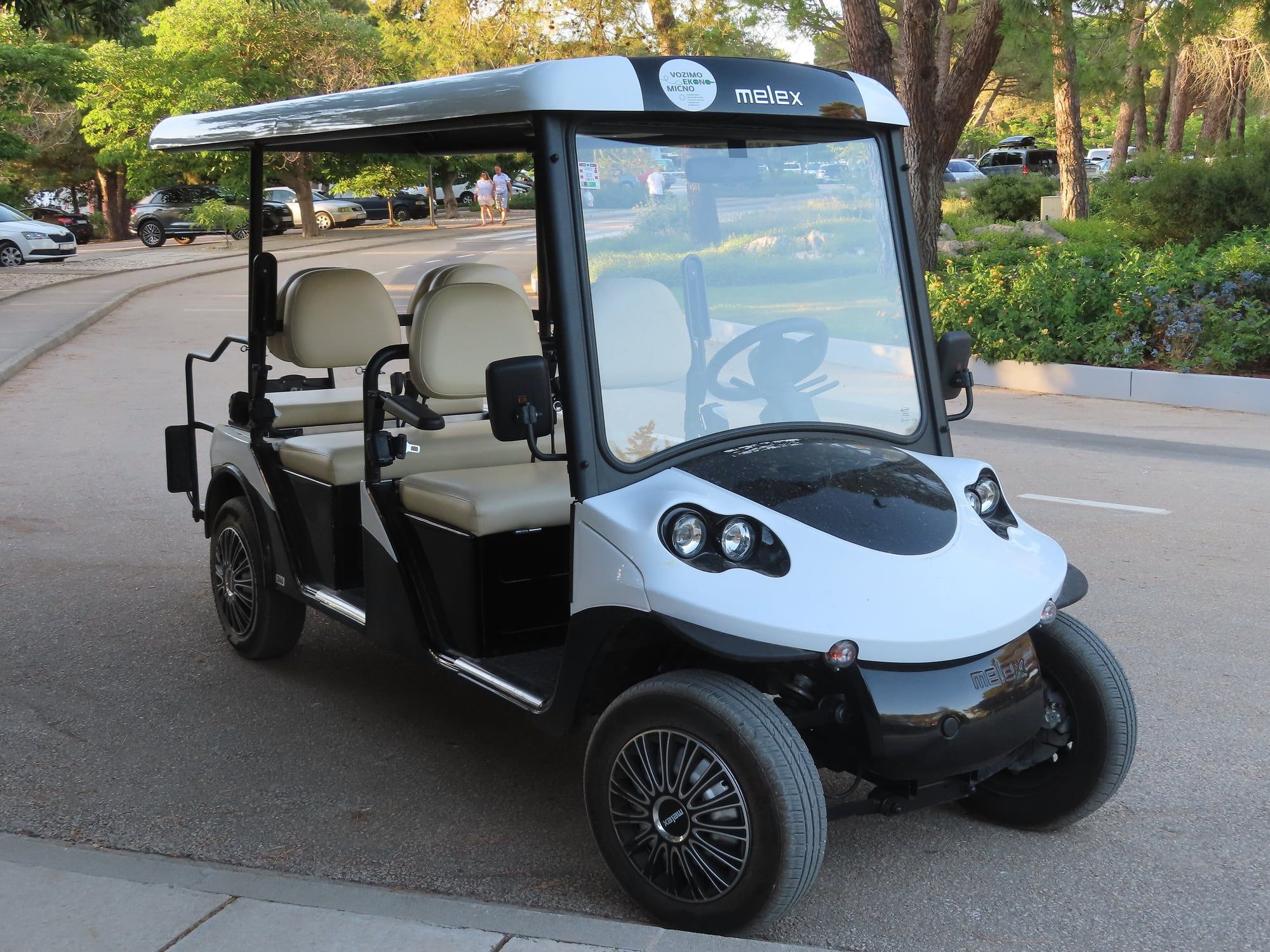
- Your interest is the actual monuments. A golf cart tour goes where the bus cannot and has a live guide, for roughly three times the price.
Hop-on hop-off vs bus 40 Express
The comparison people search for deserves a straight answer. Bus 40 Express runs from Termini via Via Nazionale, Piazza Venezia, Largo Argentina and Chiesa Nuova to Piazza Pia at Castel Sant’Angelo, ten minutes from St Peter’s. It costs €1.50 (a BIT ticket, valid 100 minutes) and comes every few minutes; it is also Rome’s most notorious pickpocket route. It covers about 70 per cent of what the hop-on loop covers, minus the Colosseum, minus the open top, minus any commentary. Pair 40 Express with the metro to Colosseo and you have replaced the tourist bus for €3 — but you will stand, and you will watch your pockets.
Timing is everything
- Board at Termini before 9:30 or at the Colosseum after 16:00; mid-morning at the Colosseum stop the queue can be two buses long from May to September.
- Do the full loop first, staying on board, then use the second pass to get off. Most people do the opposite and never see the Vatican leg because they ran out of validity.
- Validate late. The 24 hours start at first scan. Scan at 15:00 on day one and the ticket still works until 15:00 on day two — a 24-hour ticket used like that covers two half-days.
- Sunday is the fastest day for the buses because Via dei Fori Imperiali is closed to cars, but the Colosseum stop moves to Via di San Gregorio; ask the driver.
- Winter (November–February) frequency drops to every 20–30 minutes and the last bus is around 18:00; the top deck is cold but the streets are empty and the loop takes 80 minutes.
- Avoid big-match days at Stadio Olimpico and any papal audience Wednesday morning, when the Vatican leg is diverted.
How to save
- Buy online, not at the kerb. The kiosk price is typically €5–10 above the platform price for the same ticket, and online tickets cancel free until the day before.
- Buy 24 hours, not 72. Very few visitors use a bus loop for three days; a 24-hour ticket validated at midday is usually enough.
- Children: 5–15 pay a reduced fare of roughly half; under-5s ride free on all four operators. Family tickets (2+2) exist on Big Bus and City Sightseeing and beat four singles.
- Skip the combos with Colosseum entry. The Tiqets combined ticket at €65 prices the Colosseum ticket well above the €18 official rate. Book the Colosseum separately and add a €15 bus.
- Check the pass maths. The Rome Tourist Card and Omnia Card sometimes include a hop-on ticket; it is only a saving if you would have bought everything else in the bundle anyway.
- Compare the €8.50 ATAC day pass. Metro plus buses 40, 64 and tram 8 cover more ground than the tourist loop and run until 23:30.
Booking checklist
- Pick the operator by nearest stop to your hotel — the loops are near-identical and the walk to the first stop is what you will actually notice.
- Screenshot the stop map before you go; mobile signal is patchy under the plane trees at the Colosseum stop.
- Keep the paper earphones you get on first boarding, or bring your own wired 3.5 mm pair; Bluetooth headphones do not work with the bus sockets.
- Sun cream and a hat for the top deck; the buses have no shade up there and the Roman sun is stronger than it feels at 20 km/h.
- Have the voucher open on your phone before the bus arrives; drivers do not wait while you find the email.
- Note the last bus time printed on the map for the day you are riding. The bus that leaves the Vatican at 18:15 may be the last one back to Termini.
- Bag on your lap. Open-top buses stopping in traffic are a working environment for pickpockets; the risk is real at the Termini and Colosseum stops.
What to combine
Use the bus as the frame and book the two or three entries that matter. The Colosseum stop is a five-minute walk from the entrance; a timed Colosseum ticket for mid-morning slots neatly into the first loop. The Vatican stop leaves you ten minutes from St Peter’s and fifteen from the Vatican Museums entrance; book the museums for 14:00 and do the Vatican leg after lunch. Castel Sant’Angelo sits right at the Piazza Pia stop and takes an hour.
If the bus appealed for its comfort, look at the golf cart tours that go inside the pedestrian centre with a live guide, or a private driver-guide if there are four of you and money is less tight than time. For the evening, a night walking tour covers the Pantheon–Trevi–Navona triangle that no bus reaches.
The hop-on hop-off Rome bus is a €15–30 orientation loop with a seat and a view, not a transport system and not a tour with a guide. Bought online at the right price and used on the first day, it is fair value; compare current prices on GetYourGuide or on Tiqets and validate it after lunch to stretch it across two days.