What Piazza Navona is
Piazza Navona is a Baroque square laid over a Roman stadium. Emperor Domitian built the Stadium (Circus Agonalis) in AD 86 for athletics in the Greek manner; the running track is the open piazza, the stands are where the palaces now sit, and the name “Navona” is a corruption of “in agone”, the games. In the 1650s Pope Innocent X, whose family palace (Palazzo Pamphilj, now the Brazilian embassy) fills the west side, commissioned the fountain and church that give the square its shape.
Three things to know before you arrive:
- It is long and pedestrian: 240 metres end to end, no cars, ringed by cafe terraces and street artists.
- Everything at ground level is free, including the church. The two paid attractions are below the square (the stadium) and one block south (the museum).
- It is a starting point. More centre walking tours begin here than anywhere else, and the Pantheon is five minutes away.
The three fountains and Bernini
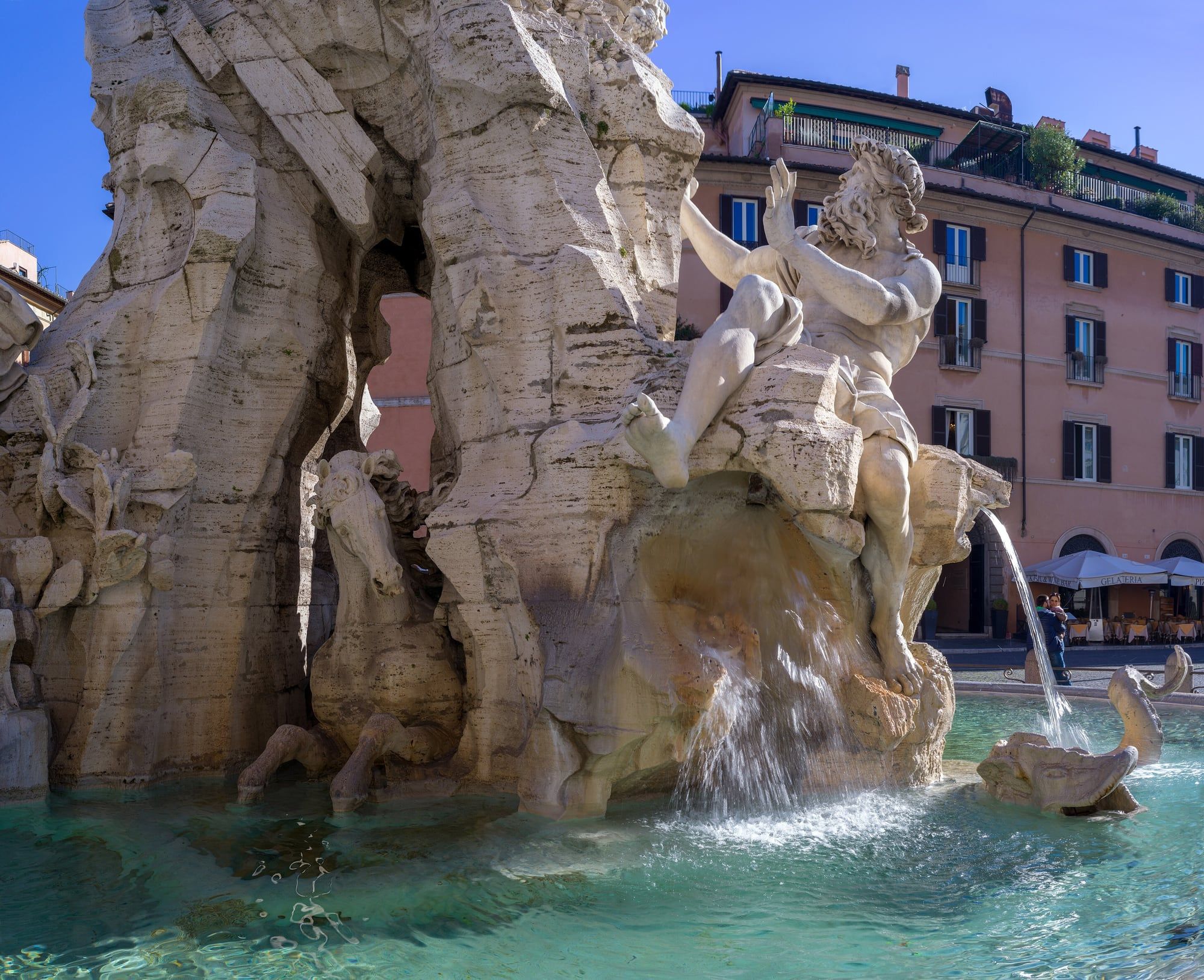
Fountain of the Four Rivers (centre, 1651). Gian Lorenzo Bernini won the commission over his rival Borromini and put four river gods around a Roman copy of an Egyptian obelisk: the Danube (Europe), Ganges (Asia, holding an oar), Nile (Africa, head veiled because the source was unknown) and Río de la Plata (Americas, with a pile of coins). The story that the Nile hides its face from Borromini’s church is a guide’s joke; the fountain was finished before the church façade.
Fountain of the Moor (south end). Designed by Giacomo della Porta in 1575; Bernini added the central figure wrestling a dolphin in 1653. The figure is a 19th-century copy; the original is in the Villa Borghese gardens.
Fountain of Neptune (north end). Della Porta’s basin, with Neptune and the octopus added only in 1878.
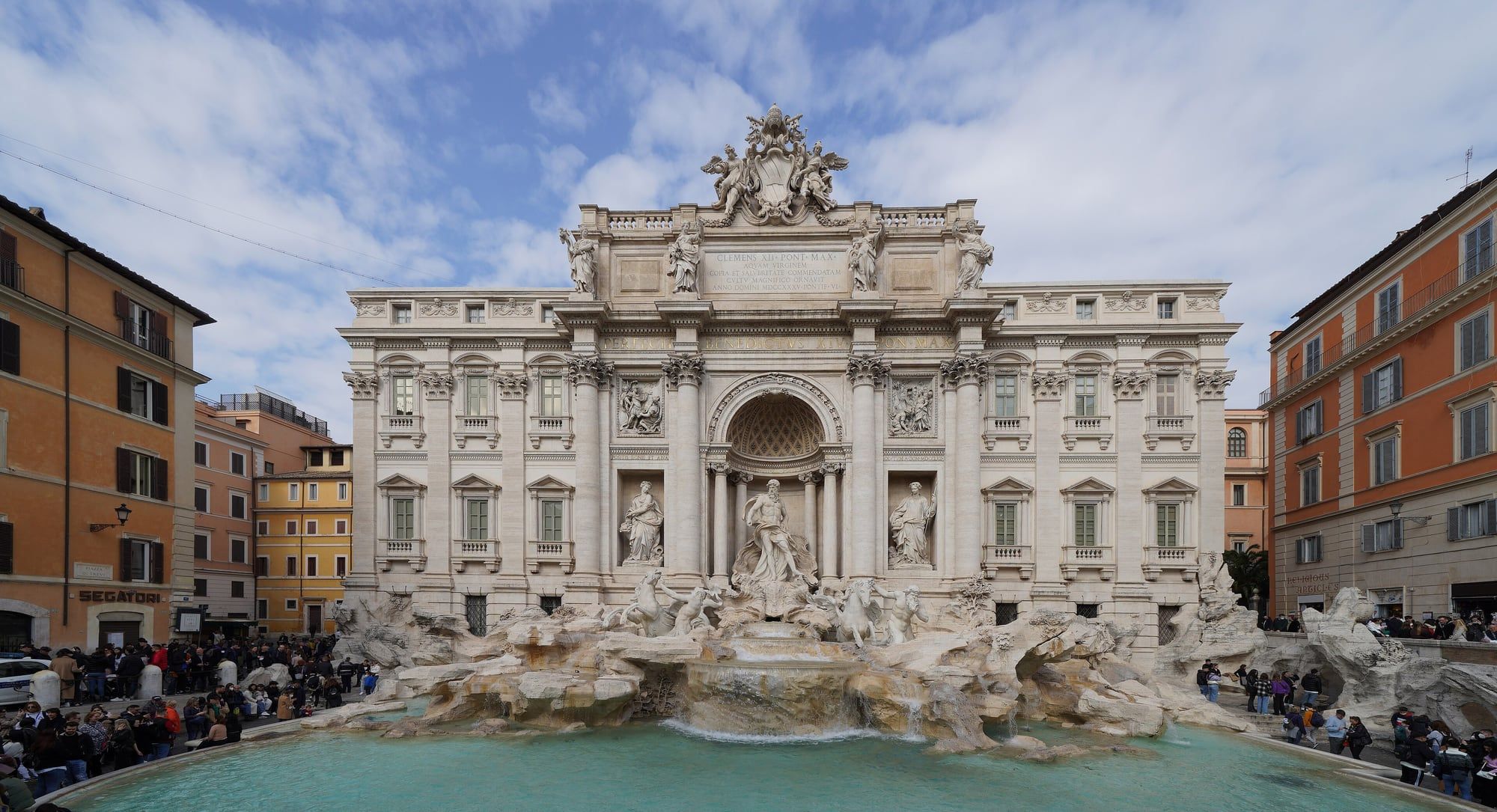
Sitting on the fountain rims, eating or dipping into the water is banned under the same urban police regulation as the Spanish Steps and Trevi; fines start at €250 at our last check.
Sant’Agnese in Agone
The church on the west side, with its concave façade and twin bell towers, is by Francesco Borromini (1652–1672), built where the young Agnes was said to have been exposed and martyred around AD 304. Inside it is small, tall and intensely decorated: a dome fresco by Ciro Ferri, marble reliefs instead of altarpieces, and the relic of Agnes’s skull in a chapel to the left. Innocent X is buried here, above the entrance.
Entry is free; opening hours are typically morning and late afternoon with a midday closure (check the church’s own site). The sacristy and crypt, where you stand over Roman stadium remains and the reputed site of the martyrdom, are visited with a ticket: Tiqets sells an accompanied entrance to the church and crypt for €8 at 9:00 daily, no cancellation once booked (checked ; search “Sant’Agnese in Agone” on Tiqets, as there is no direct link on this site yet.
The underground: Stadium of Domitian
At the north end, at Via di Tor Sanguigna 3, a staircase leads five metres down to the surviving arches of the stadium’s curved end: travertine piers, brick vaults, fragments of the seating structure and displays on ancient athletics, with a short film reconstructing the arena. It is a UNESCO-listed part of the historic centre and takes about 40 minutes. The official price when open is €10 full, with reduced rates of €6–8 and a €15 “exclusive route” that adds otherwise closed sections; open daily 10:00–19:00 with last entry at 18:20.
Status at our last check: the site closed for renovation on 1 April 2026 and the official site currently states that the archaeological area is closed to the public, with no reopening date published. The Tiqets listings, including the €10 priority-entry ticket with audio guide (rated 4.4 from about 330 reviews), show as unavailable until it reopens. Do not build a day around it; check the official site the week before your trip, and if it is open, book the first slot at 10:00, when the small rooms are empty.
While it is shut, the nearest comparable underground visits are the Vicus Caprarius under the Trevi Fountain and the Roman houses under Palazzo Valentini by Piazza Venezia.
Museo di Roma – Palazzo Braschi
One block south, at Piazza di San Pantaleo 10, the Museo di Roma occupies the last palace built for a papal family in Rome (1790s). Its collection is the city’s own history: views of Rome by Pannini and Vanvitelli, Pinelli’s engravings of Roman street life, papal-family portraits, mosaics salvaged from old St Peter’s, costumes and sedan chairs. The upper-floor windows give the best free view over Piazza Navona.
Entry to the permanent collection is about €11, more when a temporary exhibition is on; free for residents of Rome and its metropolitan area with ID since February 2026, and free for everyone with the MIC card. Booking online through the Sistema Musei site adds €1 for future dates; same-day tickets at the desk carry no fee. Tiqets lists a reserved entry with a city audio app at €32 (checked , which only makes sense if you want the audio guide; otherwise buy at the door. Open Tuesday to Sunday, closed Monday.
Christmas market and other seasons
December to 6 January: the Mercatino di Natale fills the square with stalls selling torrone, nativity figurines, toys and Befana sweets, plus a carousel. It is smaller than before 2019 (the city cut the stall count) but still the traditional Christmas market of Rome, and the evening of 5 January, when the Befana “arrives”, is the loudest night of the year here. See Christmas and New Year in Rome for the full season.
Rest of the year: painters and caricaturists by day, street musicians in the evening; in high season the cafe terraces are full from 11:00 to midnight.
Timing is everything
- 7:00–9:00 – empty square, the fountains running, the cafes setting up. Best light on Sant’Agnese’s façade.
- 9:00–11:00 – tour groups arrive; still easy to move.
- 11:00–19:00 – busy but never as tight as Trevi; the square is big enough.
- 21:00–23:00 – fountains lit, street musicians, dinner crowd. The classic evening stroll.
For the museum and the underground (when open), aim for opening time or the last 90 minutes of the day.
How to get there
- Bus: lines 30, 70, 81, 87 and 492 to Corso Rinascimento (Senato stop), one block east; lines 40, 46, 62, 64, 916 to Corso Vittorio Emanuele II (Navona or Sant’Andrea della Valle stops), 2 minutes south. Line 64 links Termini and the Vatican and is the pickpocket bus; hold your bag.
- Metro: none nearby. Spagna and Barberini (line A) are 20–25 minutes on foot.
- On foot: 5 minutes from the Pantheon, 8 from Campo de’ Fiori, 15 from Castel Sant’Angelo across Ponte Sant’Angelo, 20 from the Trevi Fountain.
- Taxi: rank at Piazza delle Cinque Lune, at the north end.
What is nearby
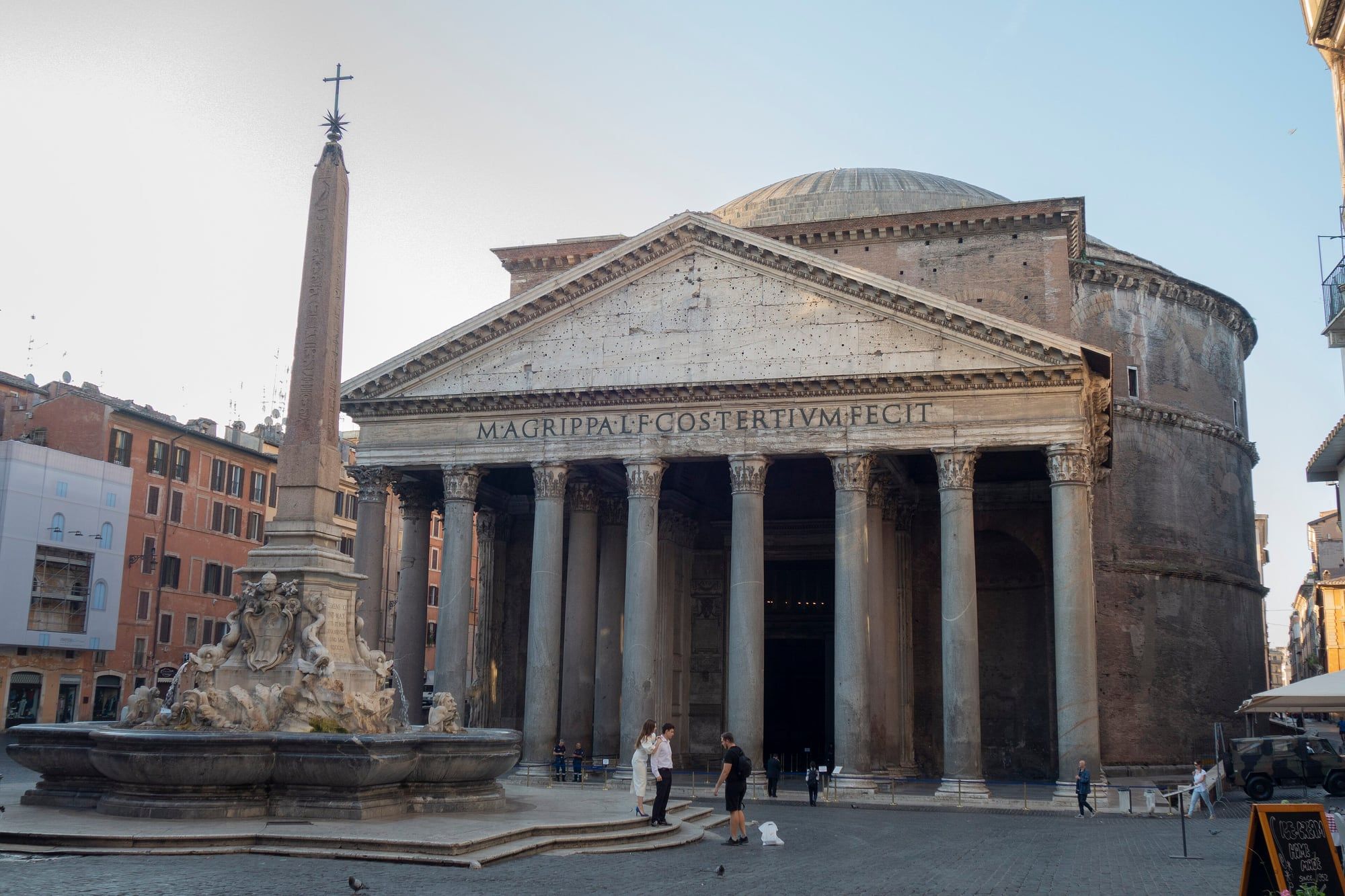
- Pantheon – 5 minutes east; €5 timed entry.
- Campo de’ Fiori – 8 minutes south for the morning market and the start of the Trastevere street food route.
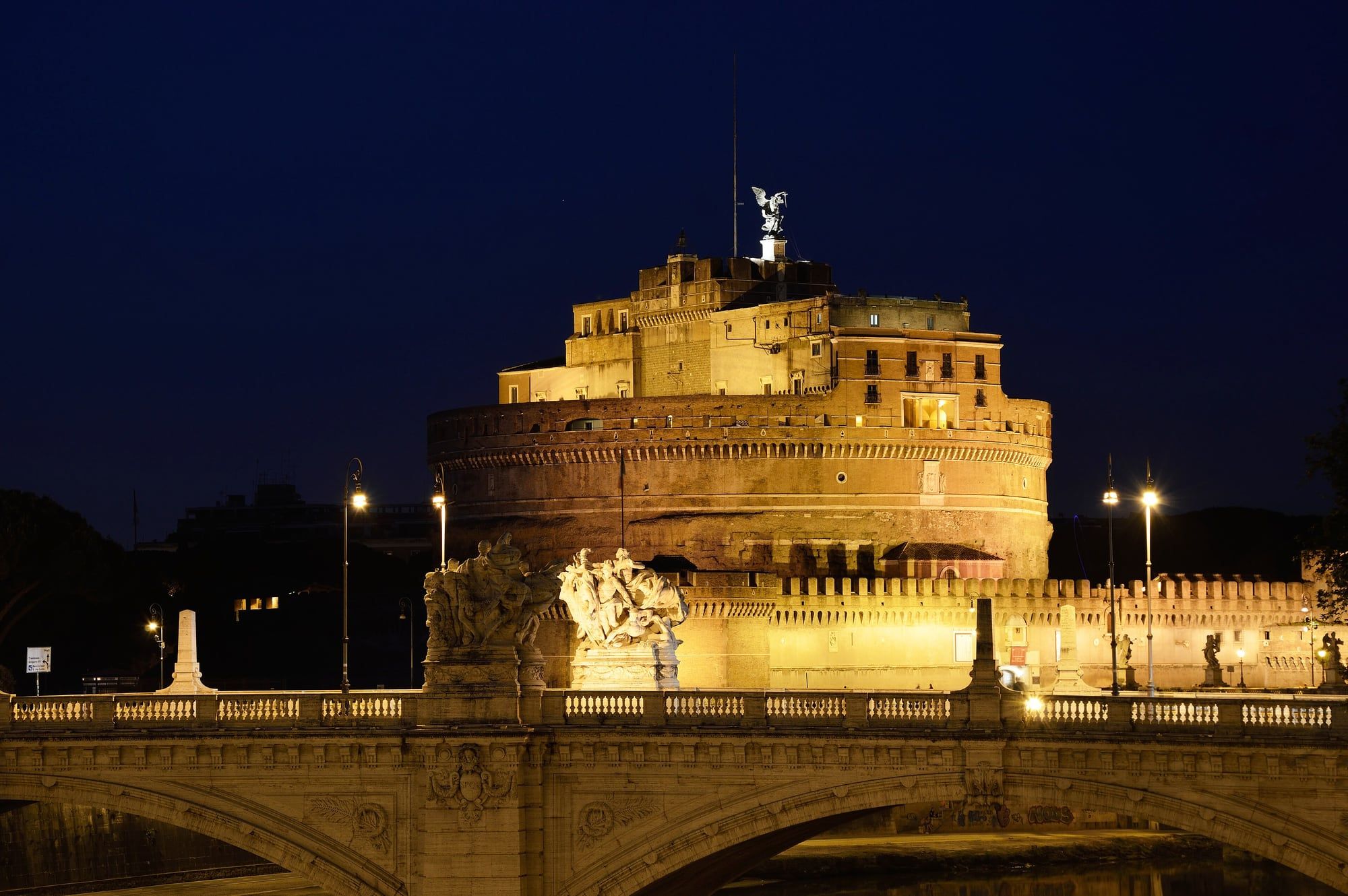
- Castel Sant’Angelo – 15 minutes north-west across the river.
- Palazzo Altemps – 3 minutes north, one of the four National Roman Museum sites, with the Ludovisi Throne and almost no queue.
- Santa Maria della Pace and Bramante’s cloister – 3 minutes west, a cafe inside a Renaissance cloister and Raphael’s Sibyls in the church.
What to book
- Centre walking tour starting at Navona – the standard 2–3 hour route to the Pantheon, Trevi and Spanish Steps, from about €20 on GetYourGuide’s walking tours; evening departures are the best value here. Formats and operators are compared on walking tours.
- Stadium of Domitian ticket – €10 on Tiqets once the site reopens; includes a printed guide and audio guide in eight languages.
- Navona–Pantheon–Trevi–Spanish Steps group walk from Campo de’ Fiori – from €20 on Tiqets walking tours, rated 4.4 from about 40 reviews (checked , fixed daily departure.
- Museo di Roma – buy at the door, or reserved entry with audio app on Tiqets if you want narration.
Booking checklist
- No ticket needed for the square or Sant’Agnese; carry small change for the church lights and the €8 crypt visit if you book it.
- Check the Stadium of Domitian official site for reopening before booking; Tiqets vouchers will not be issued while it is closed.
- Museo di Roma: same-day tickets at the desk avoid the €1 online fee; residents bring ID for free entry.
- Walking tours meet at the Four Rivers fountain or at Campo de’ Fiori; the voucher states which, and both are 8 minutes apart.
- Do not sit on the fountain rims; the municipal police issue €250 fines here as at Trevi.
- In December, come on a weekday afternoon for the market; weekend evenings are shoulder to shoulder in Piazza Navona.