The plan that works for Rome with kids
One big thing in the morning, something physical or cool in the afternoon, an early dinner. Children walk further in Rome than anywhere because the city rewards it with fountains, cats, gelato and gladiators, but only if the day has a shape. Book the morning slot for anything that needs a ticket, keep the afternoon loose, and do not attempt the Colosseum and the Vatican on the same day.
Ages matter more than usual here, so each recommendation below carries an age range. The best experiences for Rome with kids sit in the 5–12 window; toddlers are happiest in parks; teenagers respond to the catacombs, Vespa sidecars and food.
Gladiator school (ages 6–14)
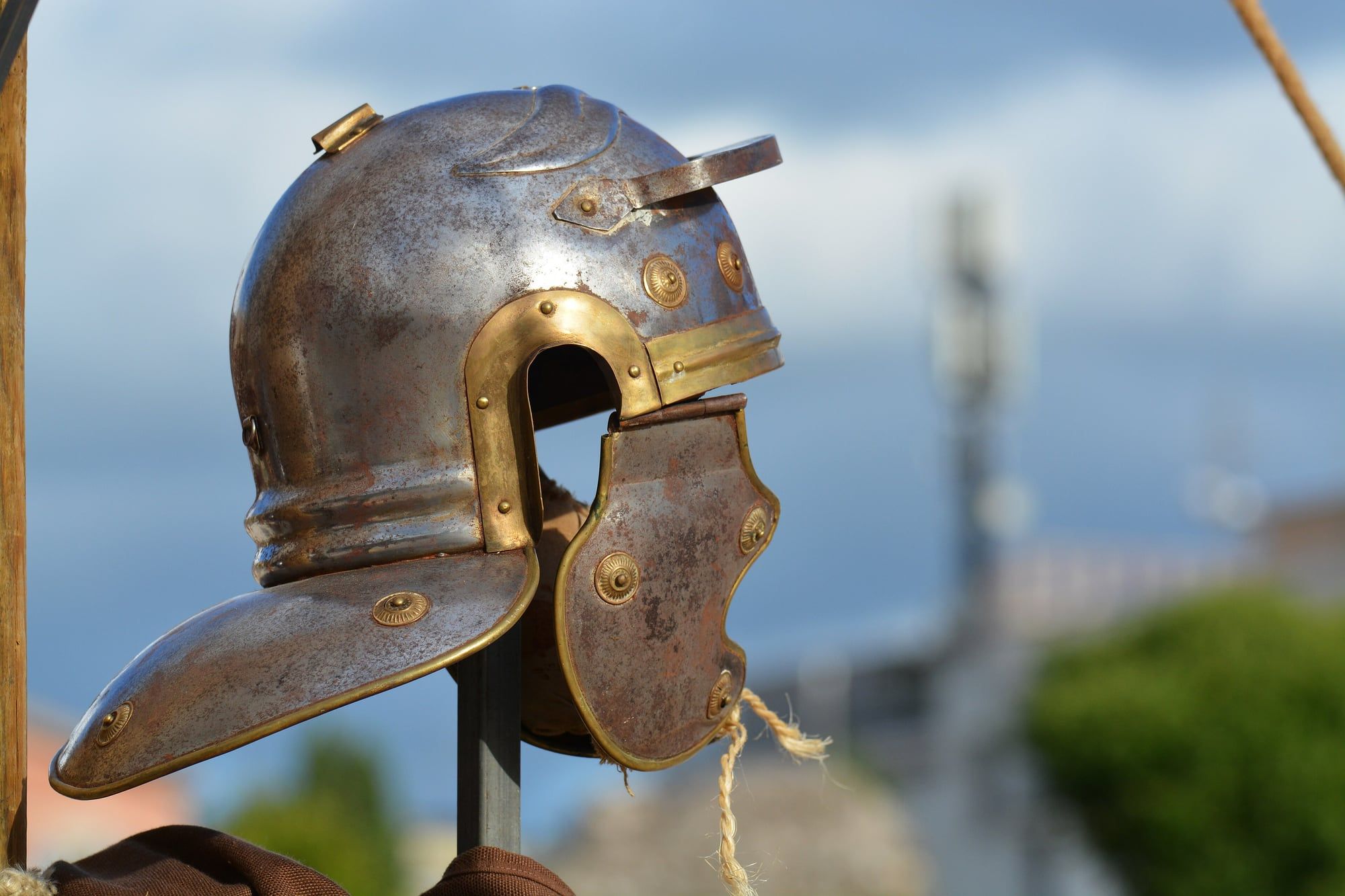
The single best-rated family activity in the city. The Gruppo Storico Romano, the historical society that stages the Natale di Roma parade, runs a school on the Appian Way (Via Appia Antica 18) where children put on a tunic, learn to hold a wooden gladius and spend two hours training in a sand arena with instructors who take it seriously. Parents can join or watch from the benches; there is a small museum of replica armour.
The gladiator school ticket on Tiqets costs from €130 per person (checked , includes the training in English, clothing and weapons, a drink and museum entry, and cancels free up to 72 hours before. Rated 4.8 from 94 reviews. Sessions are booked by time slot; mornings are cooler from June to September. It is 20 minutes by taxi from the centre or bus 118 from Circo Massimo. Full details, alternatives and what to wear: gladiator school guide.
The Colosseum family tour (ages 5–12)
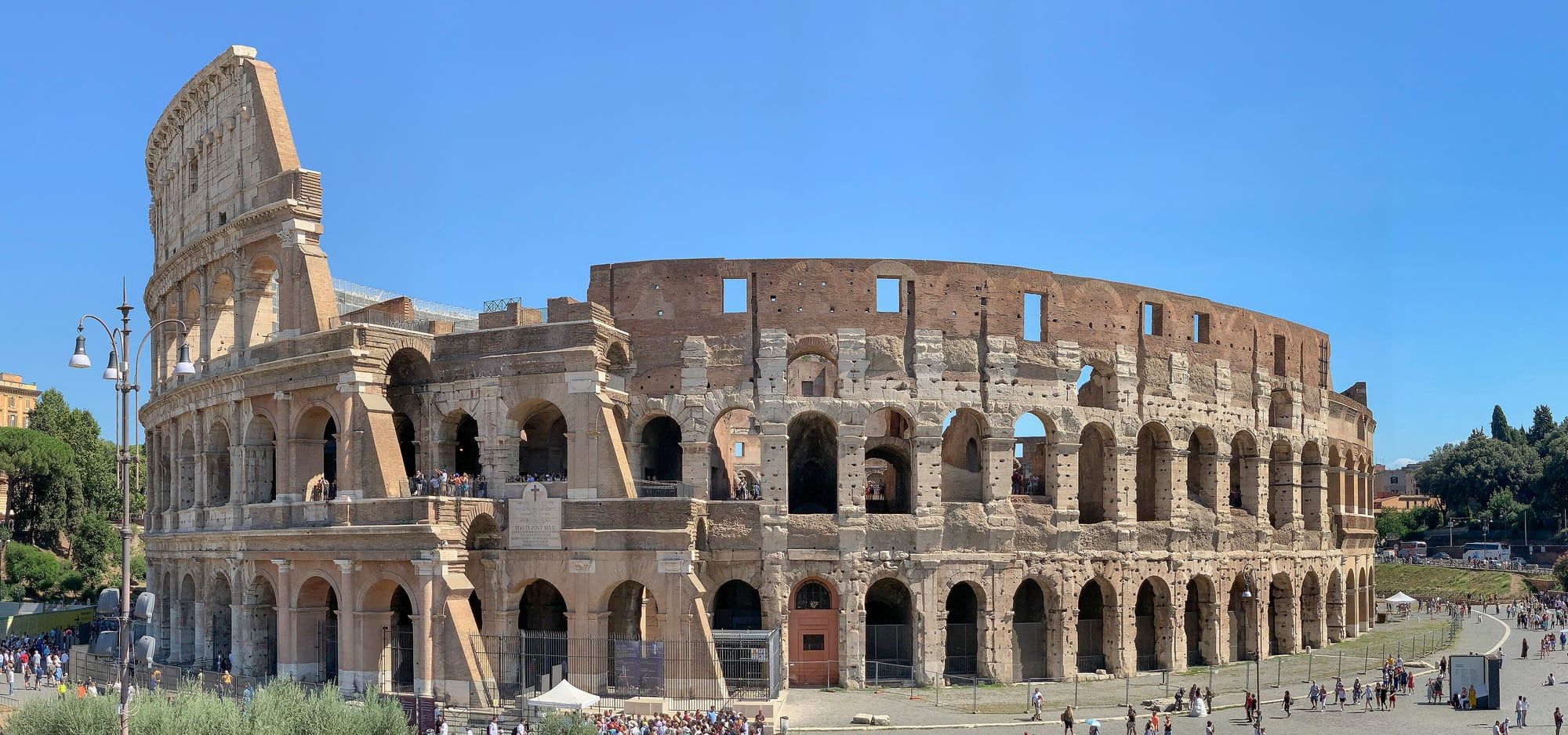
A standard Colosseum tour loses a child in fifteen minutes. The Colosseum and ancient Rome family tour for kids on GetYourGuide is built differently: a guide trained for children, questions and props instead of dates, gladiator and emperor stories, and a route through the Colosseum and Forum that stops before the Palatine climb. It is rated 4.8 from about 344 reviews, lasts around three hours, and includes entry for everyone (children under 18 are free at the Colosseum but still need the reserved slot the tour provides).
Book the earliest start, 8:30 or 9:00, in any month from May to September: the amphitheatre has almost no shade. Bring water bottles to refill at the fountains inside and a hat each. For everything else about tickets, entrances and what under-18s need, see the Colosseum guide.
Golf cart tours (any age)
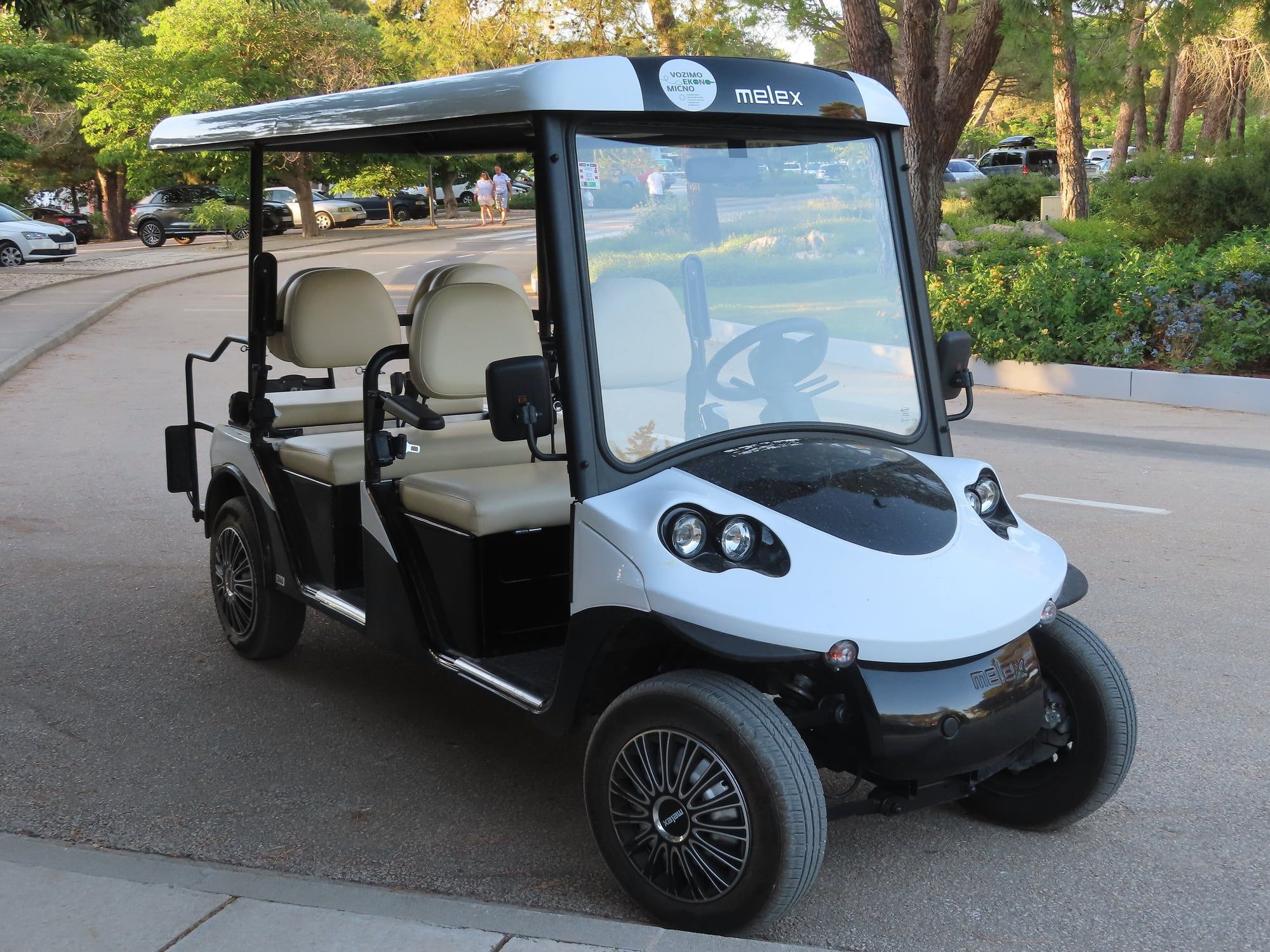
For families with a toddler and a ten-year-old, the golf cart is the answer to “how do we see the centre without a mutiny”. A six-seater electric cart with a driver-guide covers the Colosseum exterior, Circus Maximus, the Aventine keyhole, Trevi, Pantheon and Piazza Navona in two to three hours, stopping for photos and gelato. Children can sit on laps; car seats are not standard, so ask. Private carts cost about €200–300 for the family, which beats four adult tickets on most walking tours. Compare formats and prices in the golf cart tours guide.
Villa Borghese and the Bioparco (ages 2–10)
Villa Borghese is Rome’s Central Park and the safest bet for a half day. From the Pincio entrance above Piazza del Popolo:
- Bikes and pedal carts are rented at several kiosks (about €5 an hour for a bike, €15–20 for a four-seat family cart); the park’s paths are flat and closed to cars.
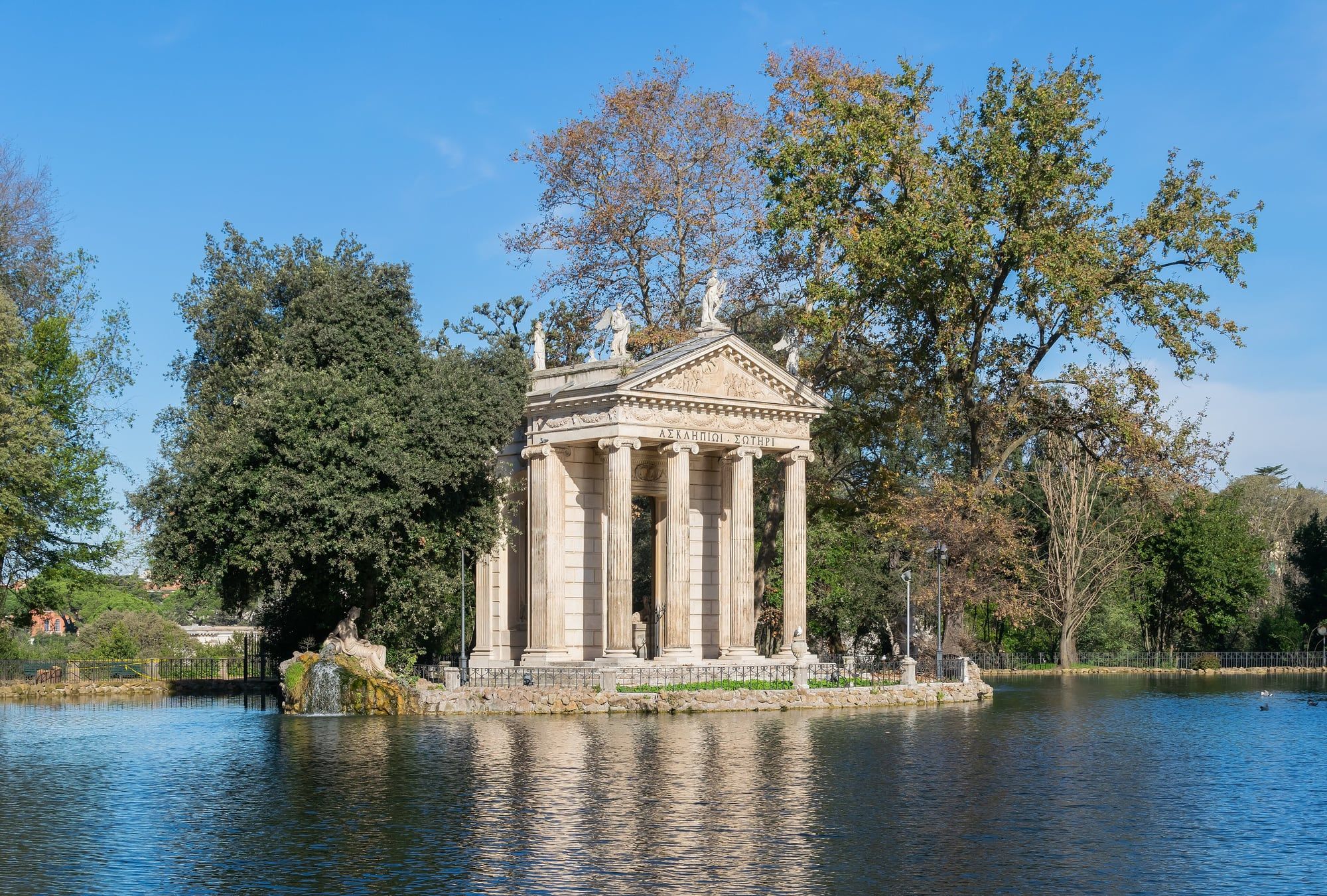
- Rowing boats on the Laghetto by the Temple of Aesculapius, about €4 per person for 20 minutes.
- Playgrounds near Piazza di Siena and the Casina di Raffaello, which runs children’s workshops.
- Cinema dei Piccoli, the world’s smallest cinema, showing children’s films in Italian.
The Bioparco di Roma sits on the park’s northern edge: about 1,000 animals, a good reptile house, an area for lemurs, and shade under old trees. A gate ticket is about €17 adult, €14 child; the open-date Bioparco ticket on Tiqets costs €26 (checked , is valid for six months, so you can pick the day the weather cooperates, and is rated 4.6 from about 1,700 reviews. Tram 3 or 19 stops at the gate. Water parks, Zoomarine and other animal attractions are in the water parks and zoo guide.
Explora children’s museum (ages 1–11)
Explora, at Via Flaminia 80 just north of Piazza del Popolo, is a hands-on science and play museum with a supermarket to run, a water area, a construction zone and a garden. It runs four timed visits of 1 hour 45 minutes a day (10:00, 12:00, 15:00 and 17:00), closed Mondays, and tickets cost around €9 per person including adults. Book online: weekend and rainy-day slots sell out. It is the best wet-weather option for under-8s and pairs with Villa Borghese, a ten-minute walk away.
Time Elevator and other indoor hours (ages 6+)
The Time Elevator on Via dei Santi Apostoli, near Piazza Venezia, is a 45-minute motion-seat film that runs through 3,000 years of Roman history with moving platforms, wind and water effects, in several languages; tickets about €12–15. It is exactly the kind of thing children remember and parents forget, which makes it a good rainy-afternoon slot before the Trevi Fountain.
Other indoor options that hold attention: the Leonardo da Vinci machines museum with working models to crank (see Da Vinci museum), the Museum of Illusions near Piazza Navona for ages 6–12, and the catacombs on the Appian Way for children from about 8, who find them exciting rather than frightening (see catacombs).
Pizza and gelato classes (ages 4+)
A pizza-making class is the most reliable two hours of the trip. Children get dough, toppings, a wood-fired oven they watch from a safe distance, and eat what they made. Family classes run mid-morning or late afternoon, cost about €40–60 per person with children often discounted, and some add gelato-making. Options and how to choose are on the cooking classes page; many are also listed under family-friendly activities on GetYourGuide.
Sights that work with children, and how
- Trevi Fountain: go at 8:00, coins over the shoulder, then breakfast. Midday is a crush.
- Pantheon: free under 18, 20 minutes, the oculus is the hook. See Pantheon.
- Bocca della Verità: the stone mouth from Roman Holiday, a short queue, a photo, done.
- Aventine keyhole: the “secret” view of St Peter’s through a door, always a hit. See Aventine keyhole.
- Castel Sant’Angelo: a castle with ramparts, cannons and a rooftop, better than any museum for ages 6–12. See Castel Sant’Angelo.
- Vatican Museums: only with a plan. Enter at 8:00, head straight for the Sistine Chapel via the Raphael Rooms, out in 90 minutes; under-6s free, under-18s €8. See Vatican Museums.
- Hop-on hop-off bus: the open top deck is a rest with a view; see hop-on hop-off.
- A beach day: Ostia is 35 minutes away by train for €1.50; see beaches near Rome.
Stroller reality and getting around
The centre is paved with sampietrini, black basalt cobbles that rattle strollers and catch small wheels. Pavements are narrow and often blocked by parked scooters. A lightweight stroller with larger wheels copes; an umbrella stroller does not. For under-3s a carrier is the practical choice in the historic centre, with the stroller kept for Villa Borghese and the Vatican.
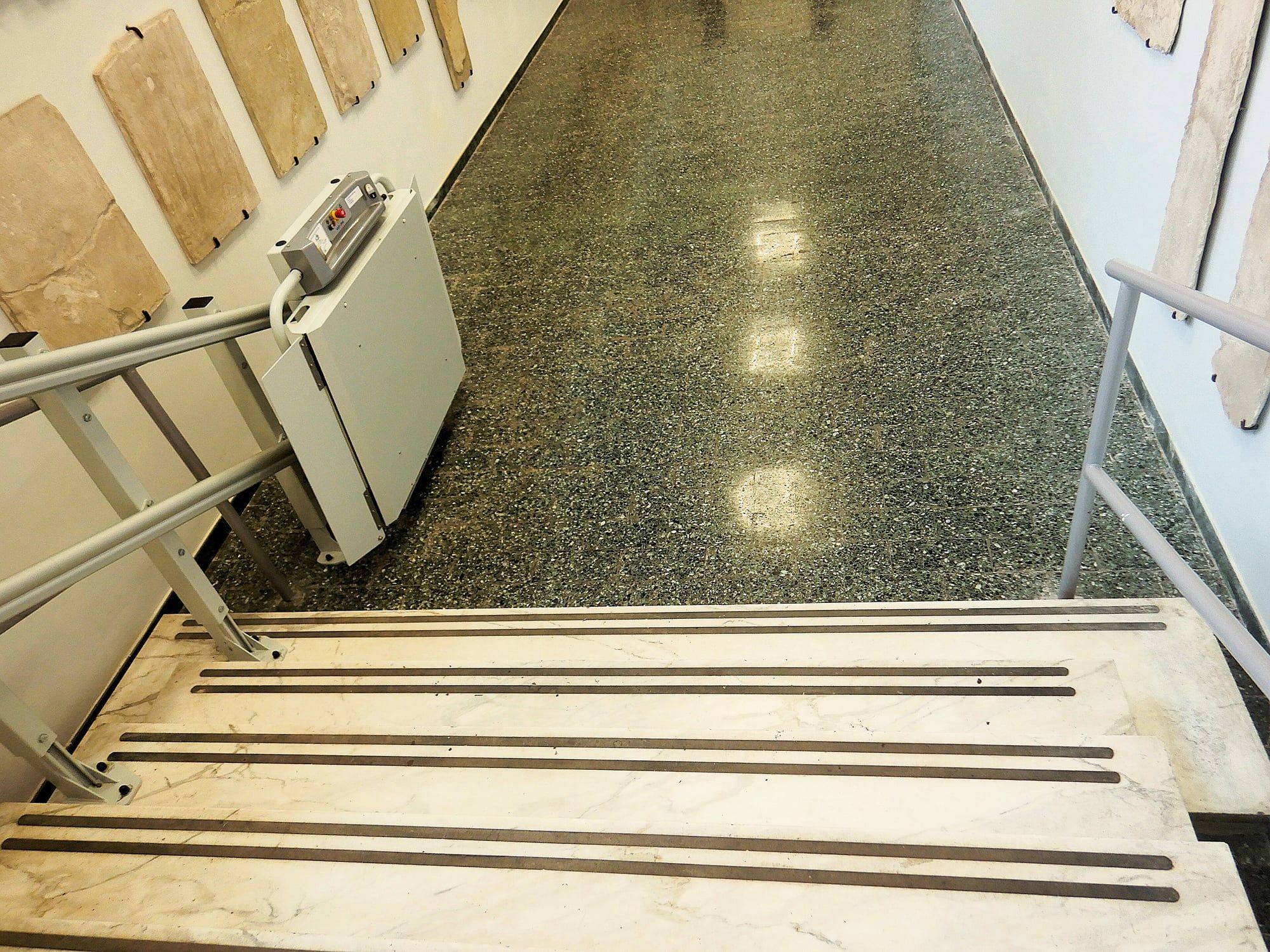
Public transport: children under 10 ride free with an adult on ATAC buses, trams and metro. Metro lifts exist at most stations but are frequently out of order; Line A stations Spagna and Barberini are the worst offenders. Buses kneel and have a stroller space in the middle. Taxis take up to four passengers and are the low-stress option with a sleeping child; a car seat is not legally required in a taxi but ask for one if you want it. Airport transfers with child seats can be requested when booking; see transport. For step-free routes into the main sights, the accessible Rome guide applies to strollers too.
Eating with kids
Restaurants open at 19:00–19:30 and are empty until 20:30, which is the family window. Every trattoria will do pasta al pomodoro or in bianco, pizza margherita and a plain cotoletta without it being on the menu. High chairs (seggiolone) exist but ask when booking. Pizza al taglio by weight is the fastest lunch; supplì (fried rice balls) are the snack. Gelato: look for lids on the tubs and natural colours, avoid mountains of fluorescent pistachio. Tap water is safe and the nasoni fountains are a game in themselves.
What to book
Four bookings cover a family trip; everything else can be decided on the day.
- Colosseum family tour for kids, day one morning: book on GetYourGuide.
- Gladiator school, day two morning, especially in summer when the arena is cool early: book on Tiqets or read the gladiator school guide.
- Bioparco open ticket for the Villa Borghese afternoon: book on Tiqets.
- A golf cart or pizza class for the day the weather or the mood turns: see golf cart tours and cooking classes, or browse family-friendly activities on GetYourGuide.
For the order of days, the 1-, 2- and 3-day itineraries can be adapted by dropping the Palatine and adding the park. Rome with kids is not a compromise version of Rome; a child who has trained as a gladiator in the morning and thrown a coin in the Trevi at night has seen the city better than most adults.