How accessible Rome actually is
Rome’s major sites are more accessible than the city in between them. The Colosseum, the Vatican Museums, the Pantheon, the Capitoline Museums and the Borghese Gallery all have lifts or level routes, and Italian state museums admit a visitor with a disability plus one companion free. The problems are the surfaces (sanpietrini cobbles everywhere the tourist walks), the metro (line A, which serves the Vatican and the Spanish Steps, was built without lifts at several central stations), and the distances between sights that look close on the map. Plan by cluster: one cluster of sights per half day, a taxi or the hop-on bus between clusters, and smooth streets within them.
Two things to carry: your disability certificate or card, which unlocks free entry at state and Vatican sites, and a phone with the ATAC app for live lift status. Two things to book in advance: wheelchair loans where they exist (the Vatican) and any golf cart or private tour with step-free pick-up.
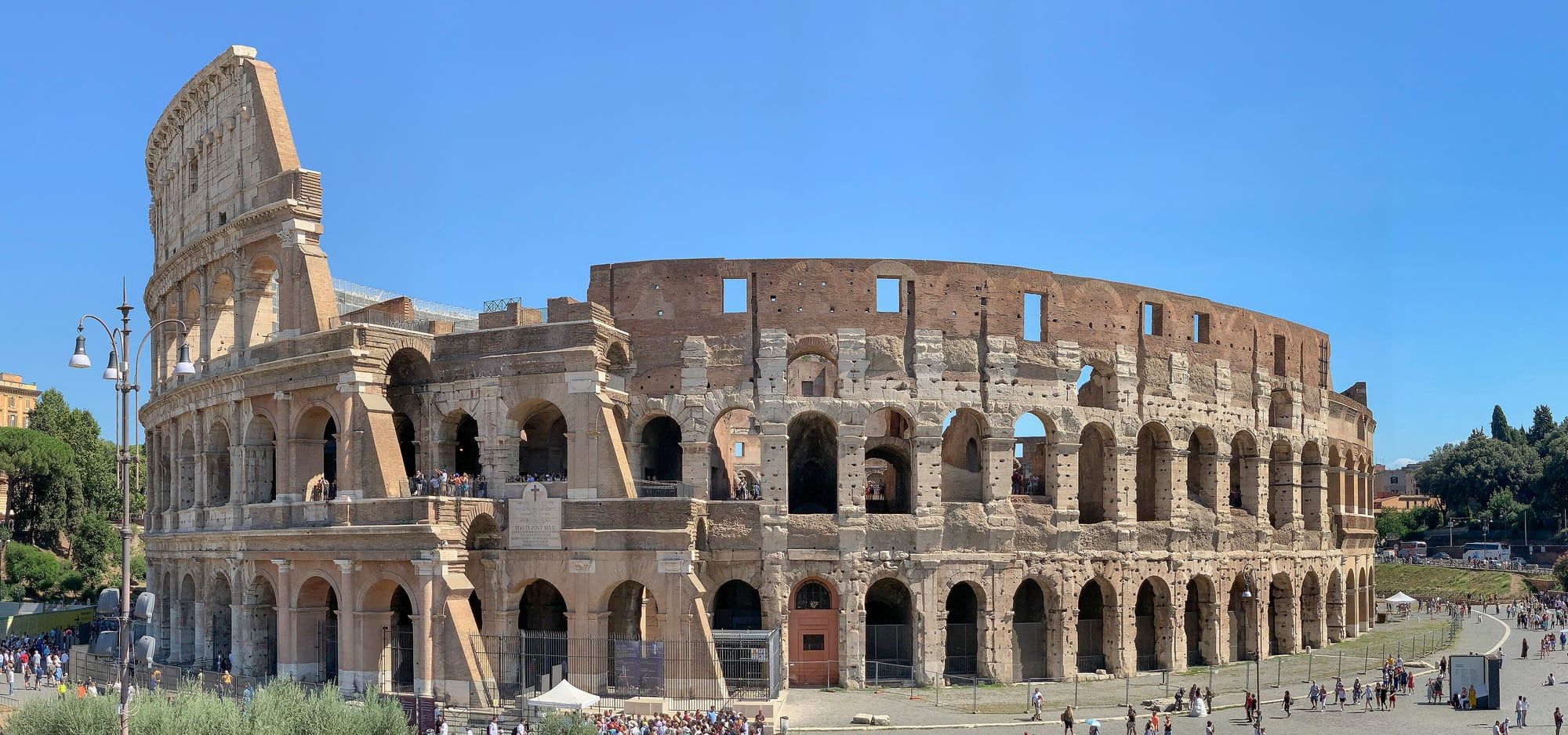
The Colosseum, Forum and Palatine
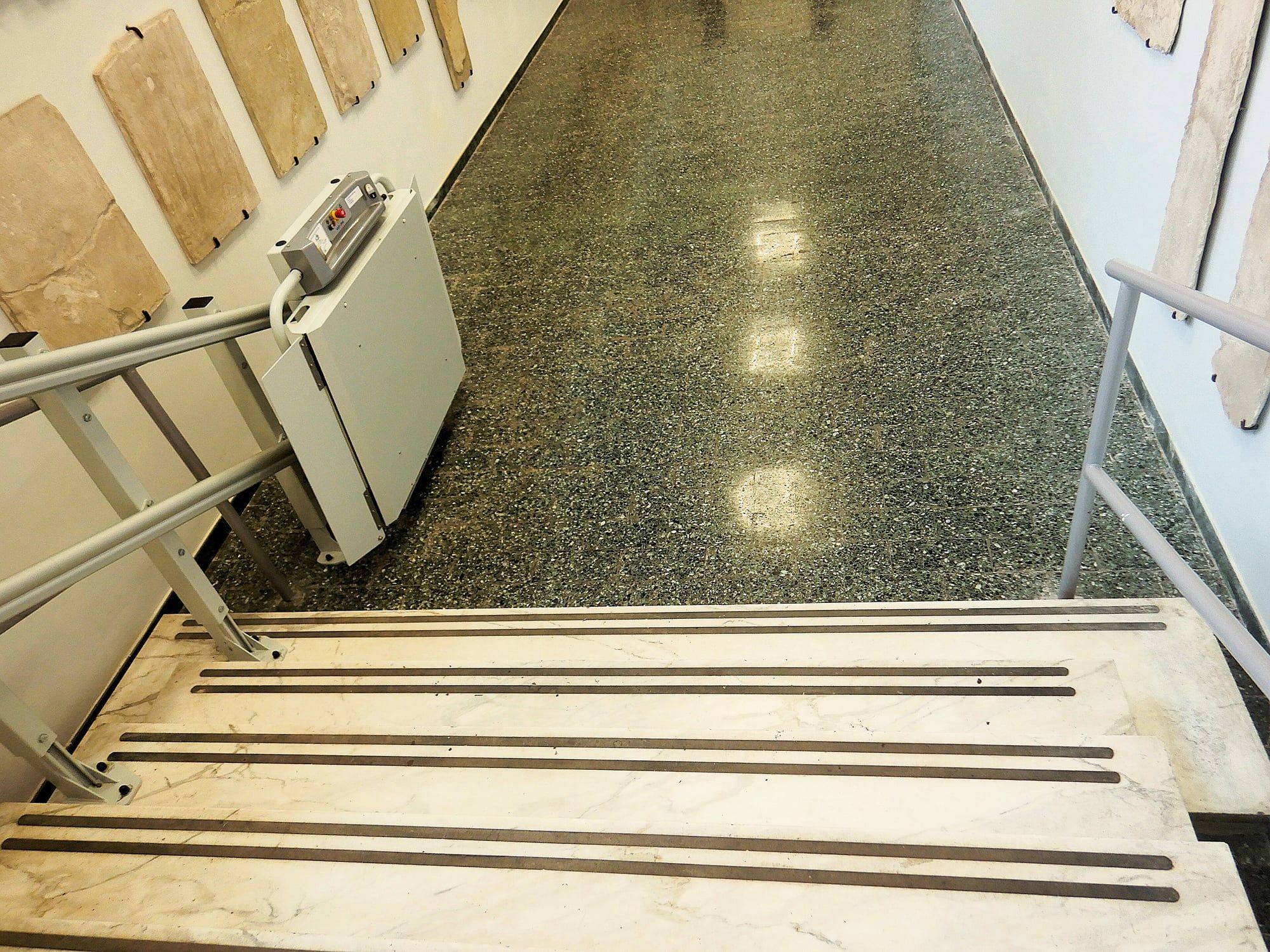
The Colosseum has a lift from the ground level to the first and second tiers, and the reconstructed arena floor is reached by a ramp, so a wheelchair user sees the amphitheatre from the three viewpoints that matter. The hypogeum below the arena and the upper attic are stairs only. Entry for a visitor with a disability and one companion is free at the official ticket office of the Parco archeologico del Colosseo, but you still need a timed booking; the free ticket is not sold online, so contact the park or ask at the ticket office on Piazza del Colosseo, where a dedicated lane exists. Security has a step-free lane. Full ticket detail is in the Colosseum guide.
The Roman Forum is a valley of ancient paving and gravel. The most workable route enters from Via dei Fori Imperiali at Largo della Salara Vecchia and follows the Via Sacra past the Basilica Aemilia, the Curia and the Temple of Antoninus and Faustina towards the Arch of Titus, with help on the slopes. Side paths have steps. The Palatine Hill is steep and stepped and is not accessible beyond the lower level; the view from the Farnese Gardens is out of reach without a lot of pushing. See the Forum and Palatine guide.
Among Tiqets products, most Colosseum tickets are flagged not accessible because they include the Forum or Palatine walk; the €62.90 entry with VR and audio guide and a €107 small-group tour with hotel pick-up carry the accessible flag, as does the €65 Caracalla and Circus Maximus tour.
The Vatican Museums, Sistine Chapel and St Peter’s
The Vatican Museums are the best-organised accessible site in Rome. Visitors with a certified disability of 74% or more, and one companion, enter free without booking via the Special Permits desk at the entrance on Viale Vaticano; wheelchairs are lent free against a photo ID and can be reserved by email. An accessible itinerary uses lifts to link the Pinacoteca, the Pio-Clementino, the Gallery of Maps and the Sistine Chapel, and staff direct you along it. What you miss is the Raphael Rooms in their normal order and the shortcut stairs down to the chapel; the lift route adds about 20 minutes. Note that every Vatican Museums product in the Tiqets catalogue is flagged not accessible, which reflects the tour operators’ walking routes rather than the museum itself; book the official free entry instead of a reseller ticket. See the Vatican Museums guide.
St Peter’s Basilica has a ramp to the entrance from the right of the square and a level nave. The dome lift reaches the terrace level only; the last 320 steps are a narrow spiral. The Vatican Gardens minibus tour has one accessible-flagged option worth asking about. The 500-metre approach along Via della Conciliazione is smooth; St Peter’s Square is cobbled. See St Peter’s Basilica.
Wheelchair access at other attractions
The table below uses the wheelchair flag on each venue’s products in the Tiqets catalogue (checked our last check), which reflects the ticket or tour rather than the building; where the site is accessible but the tours are not, book the official entry.
| Attraction | Tiqets products flagged accessible | Site reality | Notes |
|---|---|---|---|
| Colosseum | 2 of 13 | Lift to 2nd tier, arena by ramp | Underground excluded; free with companion |
| Vatican Museums | 0 of 7 | Accessible itinerary with lifts | Book official free entry, not a reseller |
| St Peter’s Basilica | 4 of 15 | Ramp and level nave | Dome terrace by lift, cupola not |
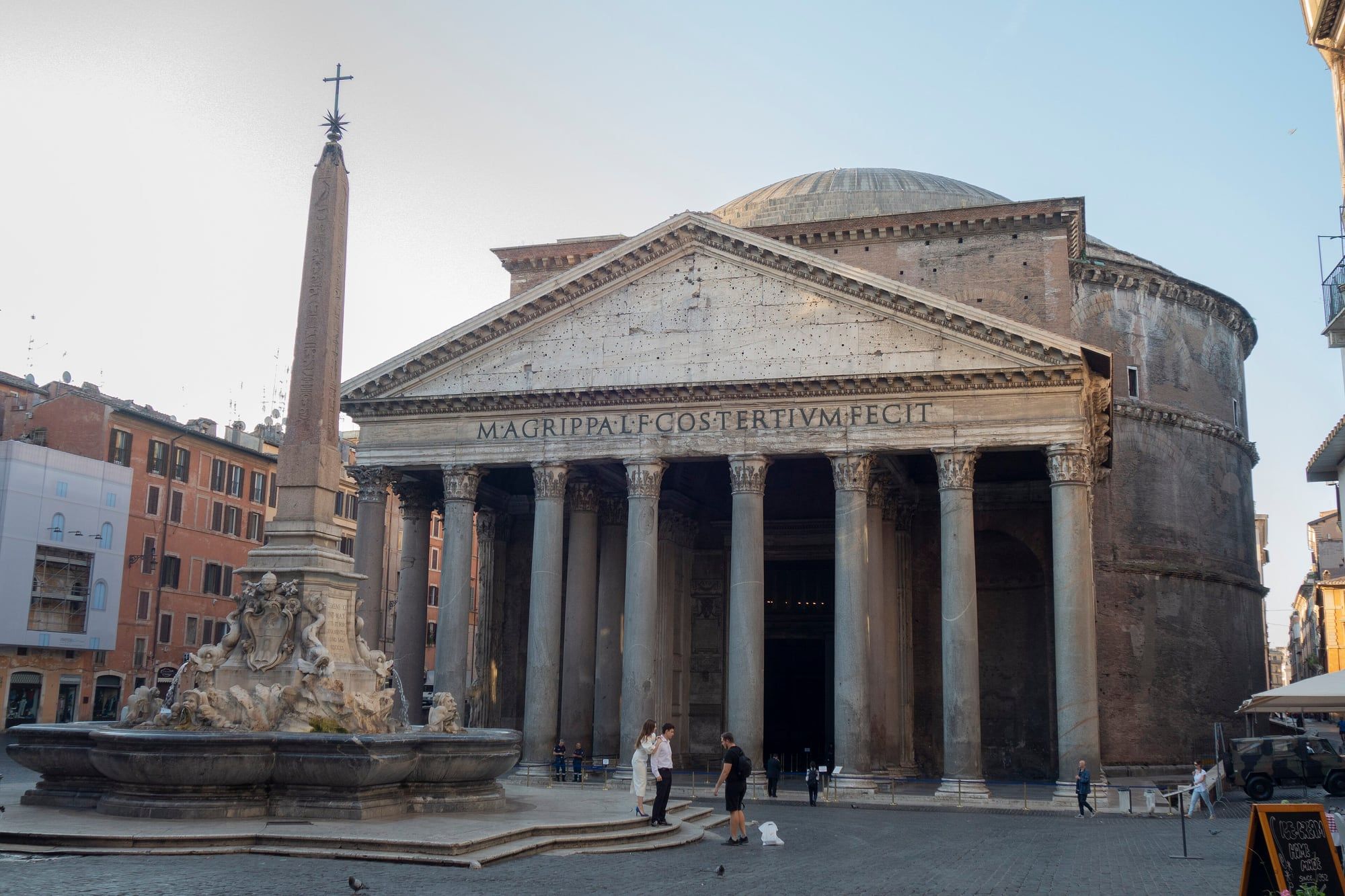
| Pantheon | 4 of 9 | Fully level | €17.50 official audio guide option is flagged |
| Borghese Gallery | 2 of 10 | Lift between floors | Villa Borghese paths are gravel |
| Castel Sant’Angelo | 2 of 7 | Lift to upper levels, ramps steep | €22 audio-app ticket is flagged |
| Capitoline Museums | 3 of 5 | Lifts throughout | Approach via Michelangelo’s ramp on the Cordonata |
| Terme di Caracalla | 2 of 2 | Level gravel paths | Best-flagged ancient site in the catalogue |
| Ostia Antica | 2 of 3 | Main street accessible, side streets not | Train from Porta San Paolo has lifts |
| Domus Aurea | 0 of 2 | Underground, not accessible | — |
| Catacombs and Capuchin Crypt | 0 of 7 | Stairs and narrow galleries | Not accessible |
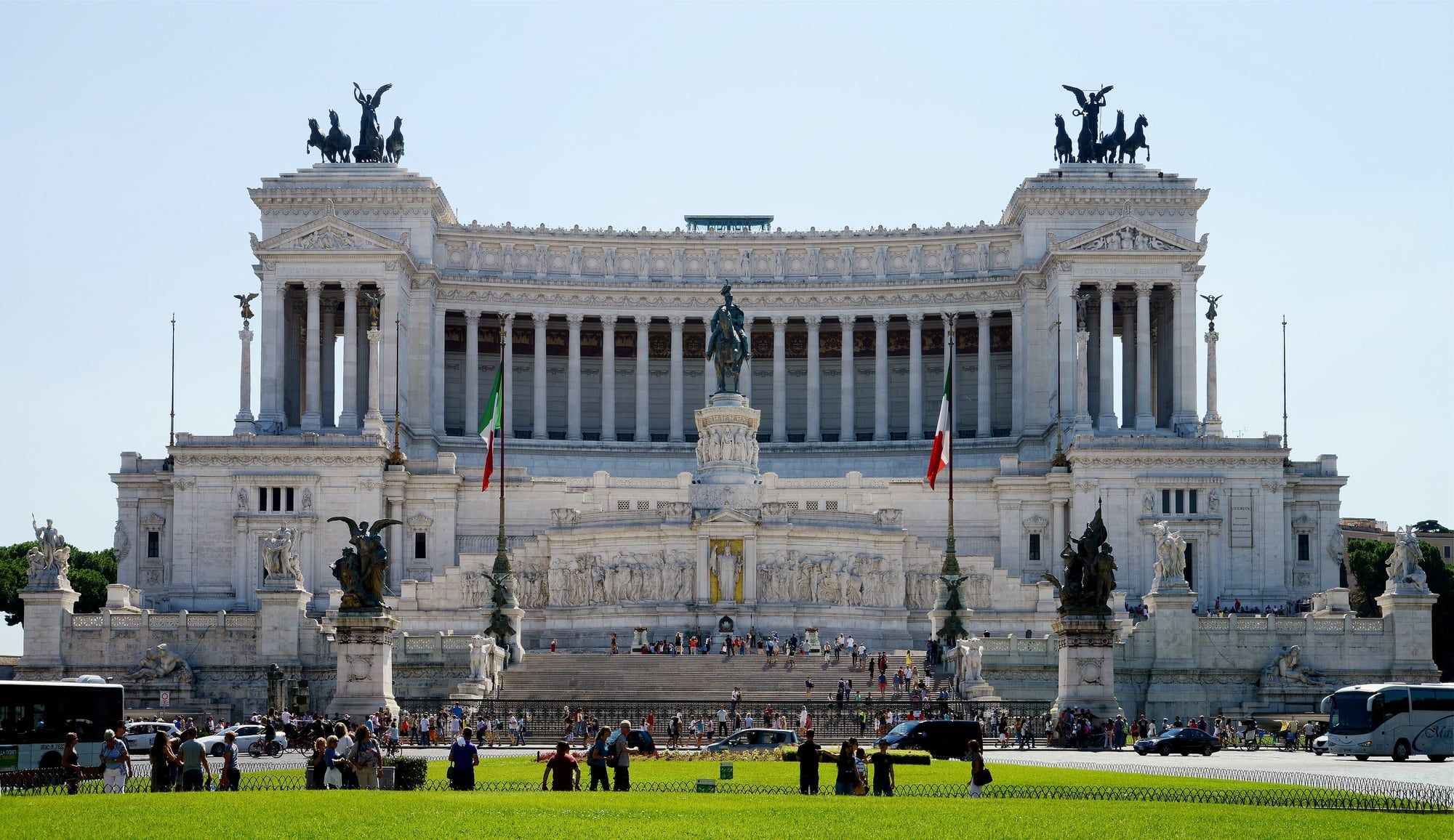
| Vittoriano terrace | 0 of 1 | Glass lift to the roof | Flag reflects the ticket, not the lift |
| Hop-on hop-off buses | 6 of 8 | Ramp and wheelchair space | Green Line, City Sightseeing and Big Bus flagged |
| Tiber cruises | 0 of 4 | Quays reached by stairs | Not accessible |
The Capitoline Museums and Caracalla are the two sites with the fewest caveats. The Pantheon is the easiest 20 minutes in Rome: level entry, one floor, a €5 official ticket.
Metro, buses, trams and taxis
Metro. Line B (Termini–Colosseo–Circo Massimo–Piramide) and its B1 branch have lifts at most stations, and line C is fully step-free. Line A is the problem: Termini, Ottaviano and Cipro for the Vatican have lifts, but Spagna, Barberini, Repubblica and Flaminio do not, so the Spanish Steps and Trevi Fountain area is reached by bus or taxi. Lifts break; check the ATAC app’s station status on the day. Platform gaps are small on newer trains and larger on older line A stock.
Buses. Most ATAC buses are low-floor with a manual ramp at the middle door and a marked wheelchair bay; the driver deploys the ramp on request, though not every driver is quick about it. The useful lines for visitors are the 64 and 40 (Termini–Piazza Venezia–Vatican), the 87 (Piazza Venezia–Colosseum–Lateran) and the 81 (Piazza Risorgimento–Piazza Venezia–Colosseum). Trams 3 and 8 use low-floor vehicles on most runs; tram 19 does not. A single ticket costs €1.50 for 100 minutes, and a companion of a disabled traveller rides free with the right card. Details in the transport guide.
Taxis. Accessible taxis with a ramp exist but are few; book through the 060609 or 3570 radio taxi services and specify a wheelchair vehicle. Fixed airport fares (€55 from Fiumicino to the centre at our last check) apply to accessible vehicles too. Private accessible transfers with a wheelchair van are listed on GetYourGuide.
Trains. Termini, Tiburtina and Ostiense have lifts and the Sala Blu assistance service for boarding; book it 12 hours ahead through Trenitalia or RFI.
Cobblestones and surfaces
Sanpietrini, the black basalt cobbles set in sand, cover Piazza Navona, Campo de’ Fiori, Trastevere, the Ghetto, the streets around the Pantheon and the whole of Monti. They are uneven, the joints widen with wear, and rain makes them slick. A powered chair with large wheels manages; a manual chair with small casters struggles and a companion pushing tires fast.
The smooth axes: Via dei Fori Imperiali (Piazza Venezia to the Colosseum, with a wide pavement), Via del Corso, Via Nazionale, Via della Conciliazione to St Peter’s, and the Lungotevere embankment roads. Piazza del Popolo, Piazza Venezia and Piazza di Spagna are cobbled but flat. Trastevere and Monti are best visited by golf cart or taxi to a single restaurant rather than walked. Kerb cuts exist on main streets and are missing in the centro storico; scooters parked on pavements are a daily obstacle.
Accessible tours
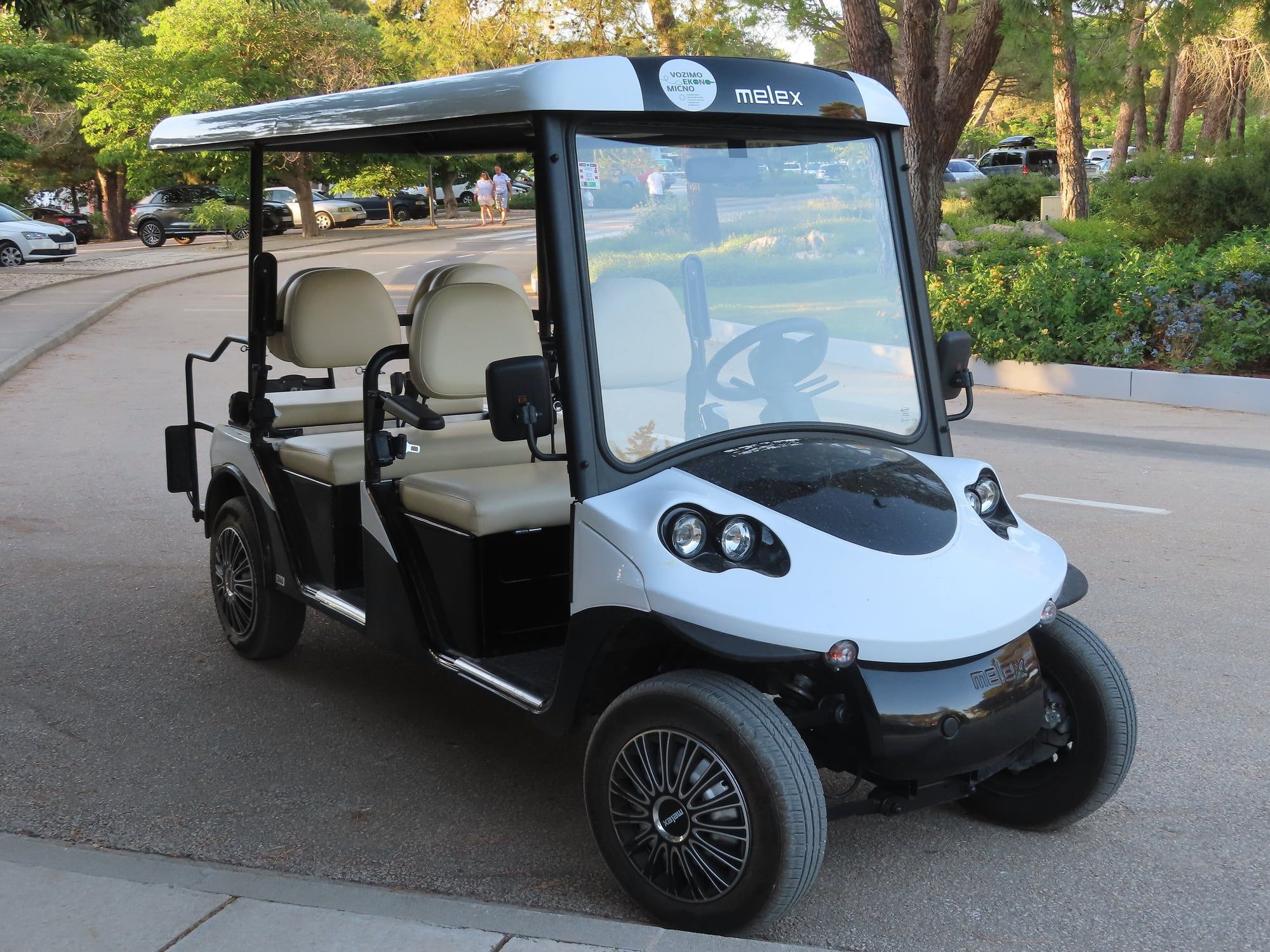
Three formats work well. Golf cart tours take a wheelchair user who can transfer to a seat, fold the chair on the back and cover the cobbled centre in two hours; ask the operator when booking, as carts differ. See the golf cart tours guide. Private guided tours with a wheelchair van cost more but plan around lifts and ramps and get you through security lanes with a companion. Hop-on hop-off buses carry a ramp and one or two spaces on the lower deck, with stops at Piazza Venezia, the Colosseum and the Vatican; the Green Line, City Sightseeing and Big Bus products on Tiqets all carry the accessible flag, and the hop-on hop-off guide compares them.
GetYourGuide’s wheelchair accessible category filters every Rome tour by step-free access; read each listing’s fine print for whether it includes the Forum walk or the Sistine Chapel stairs. Independent Roman operators run dedicated accessible tours with their own vans; ask on the listing whether the guide has actually done the route with a wheelchair.
Free entry and reductions
- State sites (Colosseum, Forum, Palatine, Caracalla, Ostia Antica, Castel Sant’Angelo, Borghese, Capitoline for city museums): free for a visitor with a disability and one companion on presentation of a certificate or EU disability card; timed booking still required where entry is timed.
- Vatican Museums: free for 74%+ certification and companion via the Special Permits desk; reduced for lower certifications.
- Pantheon: free for the visitor with a disability and companion.
- Public transport: free travel for the companion of a disabled traveller with the appropriate card; the disabled traveller pays the standard fare unless resident.
- Roma Pass is rarely worth it if you already enter free; see city passes.
Booking checklist
- Carry the original disability certificate or EU disability card; photocopies are refused at some desks.
- Book timed entry for the Colosseum and Pantheon even when the ticket is free; contact the ticket office for the accessible lane.
- Reserve a wheelchair at the Vatican Museums by email a week ahead, or bring your own.
- Check ATAC lift status the morning you travel and have a bus alternative for line A.
- Tell every tour operator the chair type (manual, powered, folding) at booking; carts and vans differ.
- Stay near a smooth axis: Via Nazionale, Via del Corso or Prati, not Trastevere or Monti.
- Budget for taxis between clusters; €10–€15 per hop across the centre saves an hour of cobbles.
Accessible Rome is a city of level museums joined by rough streets, and a plan that respects that distinction works. Filter GetYourGuide’s accessible tours for the golf cart and van options, and use the table above to decide which official free-entry desks to visit in person.