What Capitoline Museums tickets get you
One ticket covers the whole complex: the Palazzo dei Conservatori, the Palazzo Nuovo across the square, the underground Galleria di Congiunzione that links them through the Tabularium, and the Pinacoteca on the top floor. Temporary exhibitions are included in the full-price ticket. Everything sits on the Capitoline Hill around Michelangelo’s Piazza del Campidoglio, and the ticket is valid for one entry on the day.
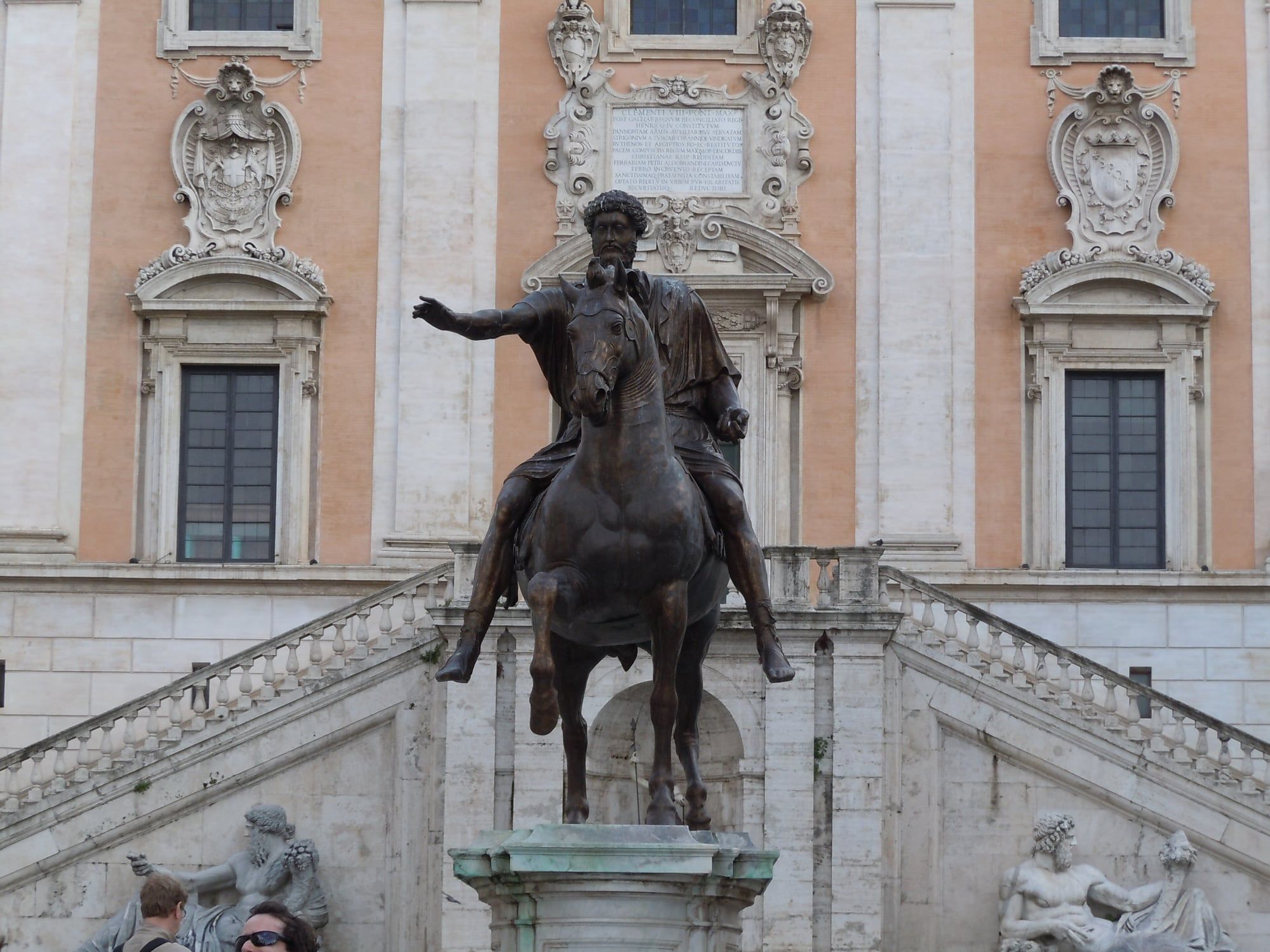
The museums claim the title of the world’s oldest public museum. In 1471 Pope Sixtus IV gave the people of Rome a group of ancient bronzes, including the Capitoline Wolf and the Spinario, and installed them on the hill. Pope Clement XII opened the collection to the public in 1734, decades before the British Museum or the Louvre. The equestrian statue of Marcus Aurelius that stood in the square from 1538 was moved indoors in 1990 to save it from pollution; the one outside is a copy.
The works to see, in the order you meet them
Palazzo dei Conservatori (ticket desk side):
- The courtyard with the head, hand and foot of the colossal Constantine, four metres of marble from the Basilica of Maxentius.
- The Capitoline Wolf, an Etruscan or medieval bronze (the date is disputed) with Renaissance twins added underneath.
- The Spinario, the boy pulling a thorn from his foot, and the bronze Capitoline Brutus.
- The Exedra of Marcus Aurelius, a glass hall built for the original gilded bronze horseman, with the foundations of the Temple of Jupiter visible below.
- The Pinacoteca upstairs: Caravaggio’s Fortune Teller and St John the Baptist, Titian’s Baptism of Christ, Rubens’s Romulus and Remus, Guercino’s enormous Burial of St Petronilla.
Tabularium (underground link):
- The arcaded gallery of the Roman state archive, built in 78 BC, with openings that frame the Forum from the Arch of Septimius Severus to the Colosseum. Most visitors call this the best view in the museum.
Palazzo Nuovo (across the square):
- The Dying Gaul, the Capitoline Venus in her own small room, the Hall of the Emperors with 60-odd portrait busts, the Hall of the Philosophers, the red marble Satyr and the mosaic of the Doves from Hadrian’s Villa.
Centrale Montemartini
The Capitoline’s second site is a converted 1912 power station in Ostiense, at Via Ostiense 106, where 400 ancient statues from the Capitoline stores stand between diesel engines and turbines. The Togato Barberini, the Esquiline Venus and the pediment sculptures from the Temple of Apollo Sosianus are here. It is quiet at all hours, takes about an hour, and is 15 minutes from the Capitoline by Metro B to Garbatella or bus 23 from Piazza Venezia. The combined ticket makes the trip nearly free.
Do you need a guide?
Less than at the Vatican or the Borghese. The route is well signed, labels are in English, and the audio guide covers the main rooms. The GetYourGuide “experience with audio guide” is rated only 3.9 from about 40 reviews, so read the recent comments before paying a premium for it; the official ticket plus your own reading is a reasonable choice here. If you want a guide, book one who covers the Forum and the Capitoline together, since the Tabularium view is the link between the two.
Timing is everything
Open 9:30 to 19:30 every day, last entry 18:30, closed only on 1 January, 1 May and 25 December (at our last check). Because there is no cap and few groups, the museum rarely feels crowded even in summer.
The quiet hours are 9:30–11:00 and after 16:30. Start in the Conservatori, cross to the Palazzo Nuovo when the groups arrive at 11:00, and come back for the Pinacoteca after lunch; the staff will re-admit you on the same ticket if you ask at the desk before leaving. Cruise and school groups pass through between 11:00 and 14:00, mostly on the Conservatori side. The Palazzo Nuovo is quieter at all hours.
Light and photos. The Tabularium faces south-east over the Forum, so the morning has the sun behind you and the afternoon puts the Forum in shadow with the Colosseum lit. Late afternoon is the better time for the view; morning for the Exedra of Marcus Aurelius, which is lit by a skylight.
Rain. This is the museum to save for a wet day, and the one to move forward if the forecast turns while you are in Rome. It is fully indoors, the Tabularium view works in any weather, and the café terrace on the Conservatori roof (accessible without a ticket) is covered.
Seasonal notes. In July and August the air-conditioned halls are a break from the Forum below; plan the Forum for the morning and the museum for the hottest hours. December to February is empty midweek. Late openings have been offered on some Friday and Saturday evenings for exhibitions; the official site lists them.
How to save
- EU citizens aged 18–25: reduced fare with ID.
- Under 18: free.
- Rome residents: reduced ticket, free on the first Sunday of the month with ID, or the MIC card (€5 a year) for unlimited entry to all municipal museums.
- Roma Pass: the Capitoline Museums are included; use them as a free entry if you are not going to the Borghese, or take the reduced rate. See the city passes guide for whether the pass pays off on your itinerary.
- Combined ticket with Centrale Montemartini: the official version is cheaper than buying two tickets and stays valid for a week. Montemartini is a 15-minute metro ride and worth the trip for anyone who liked the Capitoline statues.
- Free without a ticket: Piazza del Campidoglio, the copy of Marcus Aurelius, the view of the Forum from the terraces behind the Palazzo Senatorio and the Caffè Capitolino terrace. If you only want the view, walk round the back of the square; no ticket required.
- Teachers, ICOM, journalists, disabled visitors with companion: free with documentation.
The Tiqets entry ticket at €21.50 costs more than the desk price, and the difference buys free cancellation up to five days before and a ticket in your inbox. For most visitors the official ticket at the desk is the right call.
How to get there
The museums are on the Capitoline Hill, up the Cordonata ramp from Piazza Venezia. The ticket office is inside the Palazzo dei Conservatori, the building on your right as you reach the top.
- From Termini: bus 40 or 64 to Piazza Venezia, then 5 minutes up the Cordonata; 15–20 minutes.
- From the Colosseum: walk 12 minutes along Via dei Fori Imperiali, or take bus 87 to Piazza Venezia; Metro B Colosseo is the nearest station.
- From the Vatican: bus 64 or 40 from Piazza San Pietro to Piazza Venezia.
- From Trastevere: tram 8 to Piazza Venezia.
- Other buses to Piazza Venezia: 51, 62, 63, 70, 81, 83, 85, 160, 170, H.
- Step-free access: from Via delle Tre Pile, the road that climbs behind the Cordonata, or the lift inside the Conservatori; ask at the desk.
Piazza Venezia is being dug up for the Metro C station until the early 2030s, so bus stops shift; check the transport guide and follow the temporary signs.
What is nearby
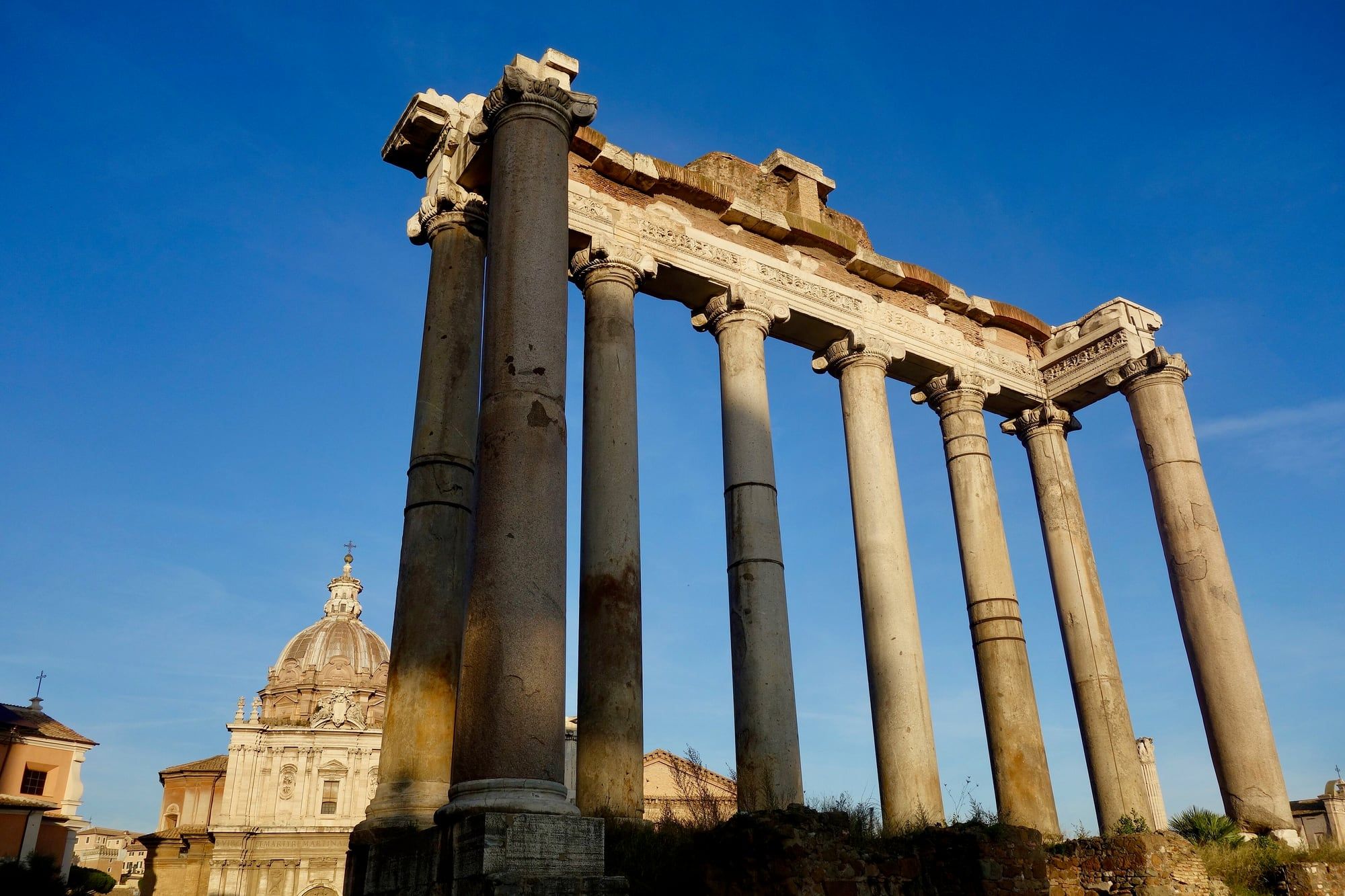
- Roman Forum and Palatine (5 minutes): the Forum entrance on Via dei Fori Imperiali or by Via di San Teodoro; see the Roman Forum and Palatine guide for the combined ticket with the Colosseum.
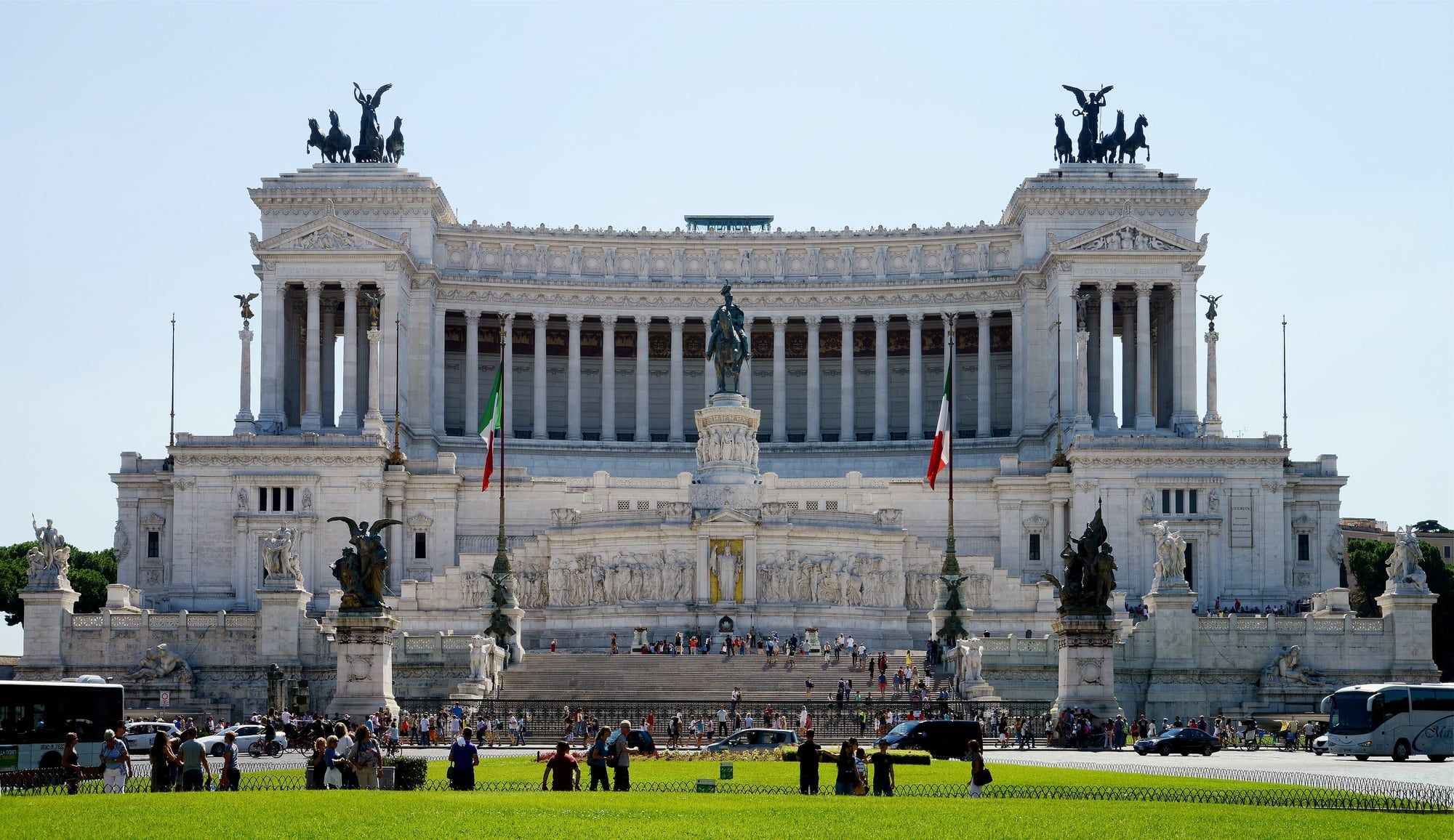
- Vittoriano and Piazza Venezia (3 minutes): the panoramic lift and the Museo del Risorgimento next door; details in the Vittoriano guide.
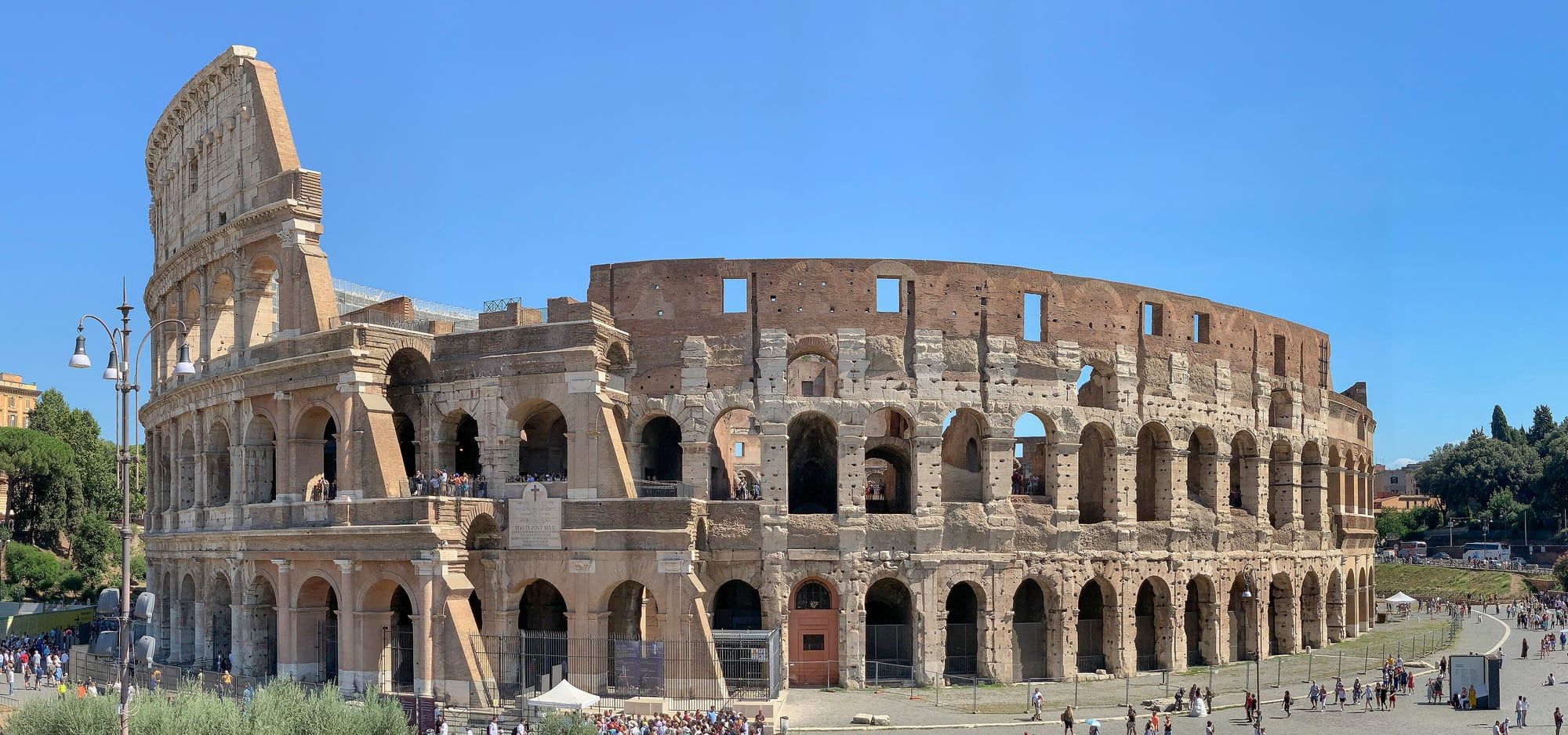
- Colosseum (12 minutes): timed tickets sell out well ahead; plan with the Colosseum guide.
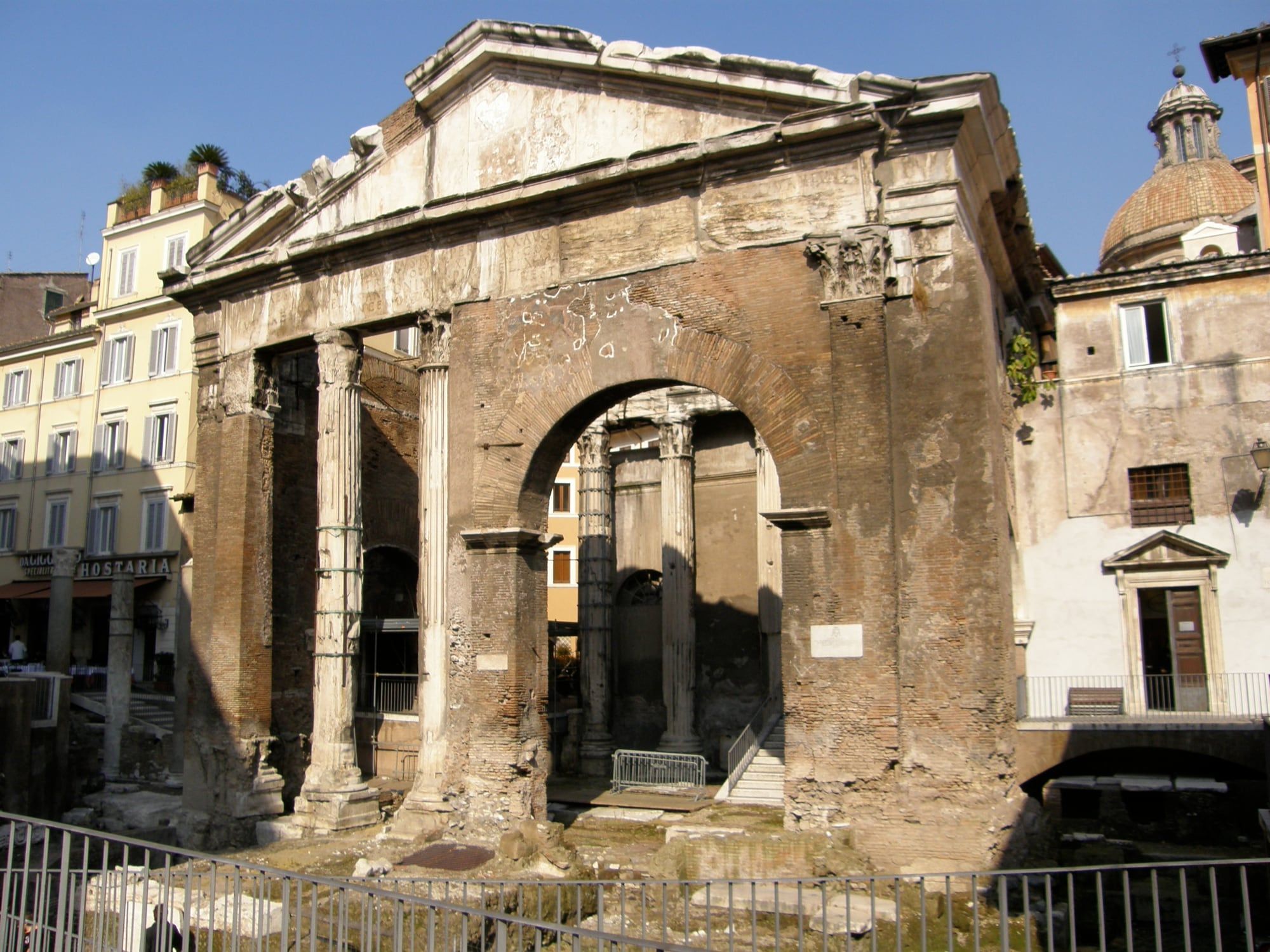
- Jewish Ghetto and Teatro di Marcello (8 minutes down Via del Teatro di Marcello): the Jewish Ghetto guide covers the synagogue and where to eat.
- Santa Maria in Aracoeli: the church at the top of the steep 124-step staircase beside the Cordonata, free, with a Pinturicchio chapel.
- Mamertine Prison: at the foot of the hill on the Forum side, a separate ticket, where tradition holds St Peter was held.
Booking checklist
- Decide whether the €16 desk ticket or a cancellable online ticket suits you; there is no queue to justify paying more.
- Bring ID for reduced or free fares, and the Roma Pass if you hold one.
- Check the temporary exhibition programme on the official site; it is included in the ticket and can be the highlight.
- Allow 2–3 hours and put the Tabularium in the middle of your route, timed for the afternoon light if you can.
- Bags: daypacks are allowed; larger bags go to the free cloakroom at the entrance.
- Photography without flash is permitted throughout.
- Pair with the Forum or the Vittoriano rather than with another large museum; the Capitoline Hill is the natural centre of an Ancient Rome day.
Capitoline Museums tickets are the rare Rome purchase where the official price and the official desk are the right answer: walk up, pay, and give the time you saved to the Tabularium.