What a Palazzo Doria Pamphilj ticket gets you
Palazzo Doria Pamphilj is a working palace with a gallery inside it. The Doria Pamphilj family assembled the collection from the 1650s, when Giovanni Battista Pamphilj became Pope Innocent X, and they have never sold it, split it or moved it. About 400 paintings hang floor to ceiling in the four long galleries that wrap around the courtyard, hung the way they were in the 18th century, by size and symmetry rather than by school.
The ticket covers:
- The four wings of the Gallery. Titian’s Salome, a double portrait by Raphael, Brueghel landscapes, Guercino, Annibale Carracci’s lunettes and dozens of works you will not have seen reproduced. Labels are numbers only; the audio guide does the talking.
- The Velázquez room. A small cabinet with the Portrait of Innocent X (1650) and Bernini’s marble bust of the same pope. The pope reportedly called the painting “too true”. Stand in the doorway first: the eyes follow.
- The Caravaggio wall. Rest on the Flight into Egypt, the Penitent Magdalene (the same model, painted the same year, about 1597) and a John the Baptist.
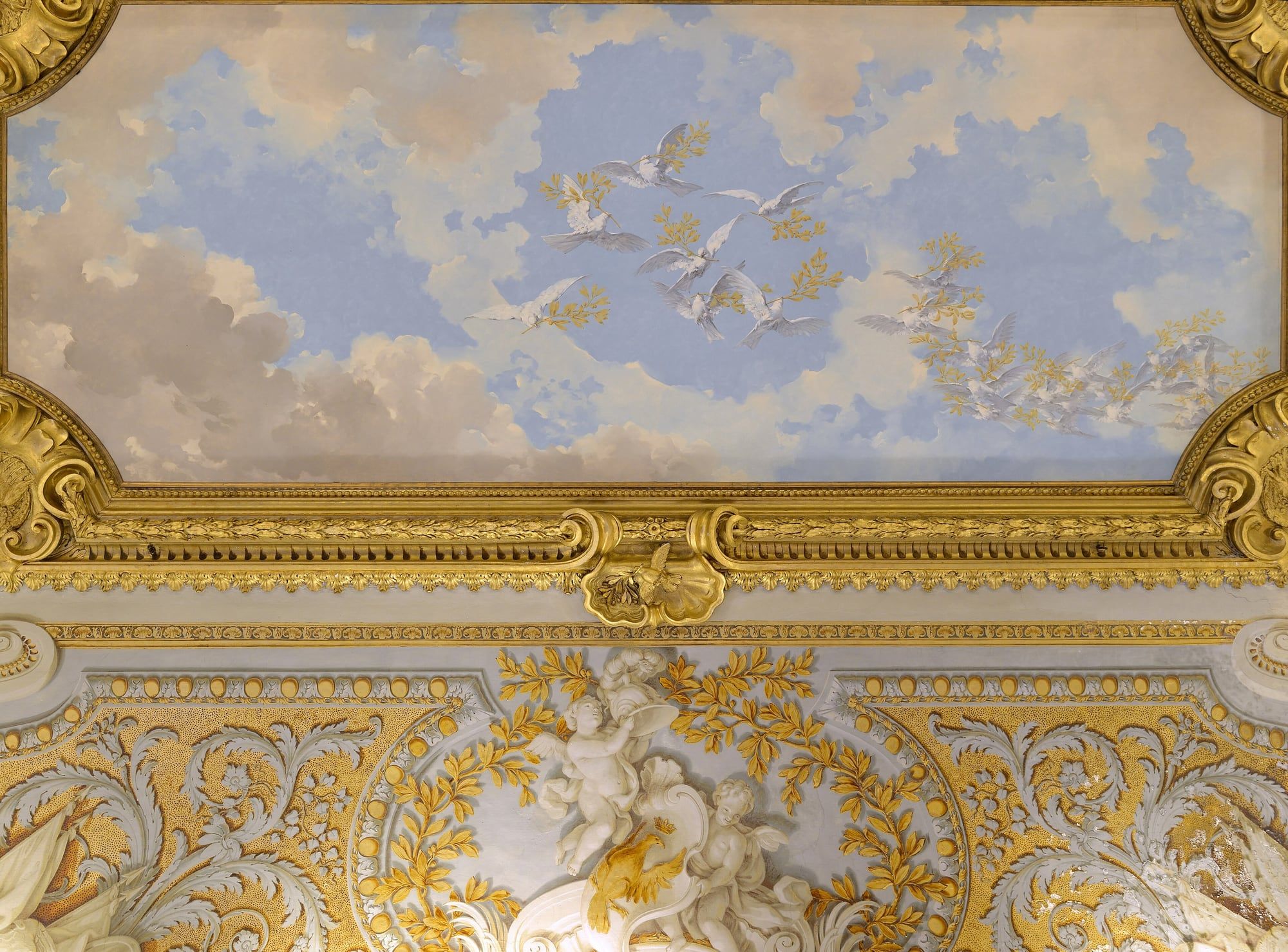
- The Gallery of Mirrors. Venetian glass, gilded stucco and ceiling frescoes of the Labours of Hercules; this is the photograph everyone takes.
- The state rooms. Ballroom, chapel, the Velvet and the Yellow rooms, with furniture and tapestries still in the positions the family chose.
- The audio guide, when you buy the official ticket, narrated by Jonathan Doria Pamphilj with family stories about ancestors, servants and childhood games in the ballroom. It is the best audio guide in Rome and turns a corridor of dark paintings into a house.
The Secret Apartments (Appartamenti Segreti) are an add-on with fixed entry times: the Smoking Room, the Poussin Room, family bedrooms and the private chapel where a mummified saint lies under the altar. Worth it if you have two hours; skip if you have one.
How the hang works
Do not look for wall text: the galleries are hung as a Baroque collection was meant to be read, in symmetrical blocks by size, with the best pictures at eye level and copies and studio works above. Each frame carries a small number that matches the audio guide and the printed sheet at the entrance. The Caravaggios are in the first wing (Galleria Aldobrandini), the Velázquez cabinet is off the second, and the Gallery of Mirrors is the third side of the courtyard, so if you are short of time walk the loop clockwise and stop at those three points. The sculpture in the fourth wing includes a Roman centaur and busts the family bought straight from excavations on their own land.
On Tiqets the skip-the-line ticket is from €29 on Tiqets (checked , rated 4.5 from about 500 reviews, with the Secret Apartments as an option and free cancellation up to 24 hours before your slot. The official price at the palace is about €16 with the audio guide included; the Tiqets ticket excludes the gallery’s own audio guide but adds a Rome city audio app. On a quiet weekday the official ticket is the better deal; on a wet Saturday in April the timed Tiqets slot is what gets you in without waiting in the courtyard.
Timing is everything
The gallery opens daily 9:00 to 19:00 with last entry at 18:00, and closes on the third Wednesday of every month plus a few holidays (Easter Sunday, 25 December, 1 January). Because it is private, it also opens on Mondays, when most state museums in Rome are closed, which is the single most useful fact on this page.
- 9:00–10:30. Empty galleries, the Velázquez room to yourself. Coach groups begin around 11:00.
- Monday. Busier than other weekdays because the Borghese, Barberini and Capitoline are closed; still nothing like the Vatican.
- After 16:30. The second quiet window; you have 90 minutes before last entry, which is enough for the main route.
- Light. The galleries are lit by windows onto the courtyard; overcast days are fine. The Gallery of Mirrors photographs best around midday when daylight reaches the ceiling.
- Free-Sunday effect. On the first Sunday of the month the state museums are free and crowded; Doria Pamphilj is neither, so use it as your museum that day.
- December and Easter. Via del Corso becomes a shopping river in the run-up to Christmas; the courtyard entrance is a refuge, but the desk queue can reach 15 minutes on Saturday afternoons. A Tiqets time slot solves that.
- Rainy days. This is the best wet-weather museum in the centre: no timed slots, generous hours, a café in the courtyard. Expect company after lunch when the rain starts.
How to save
- Buy the official ticket if you are visiting on a weekday: about €16 with the audio guide included, against €29 on Tiqets without it.
- Reduced tickets exist for students and under-26s; children under 12 pay a small child rate that includes a children’s version of the audio guide.
- No pass covers it. Roma Pass, Omnia Card and the Rome Tourist Card do not include Doria Pamphilj; do not buy a pass for this gallery. See City passes for what they do cover.
- Combined visits. The family also opens Villa del Principe in Genoa and the Abbey of Valvisciolo; the combined tickets only matter if you are travelling on to Liguria.
- Free alternative for one hour. The church of Sant’Ignazio, two minutes away, has Pozzo’s painted fake dome and costs nothing; do it after the gallery rather than instead of it.
How to get there
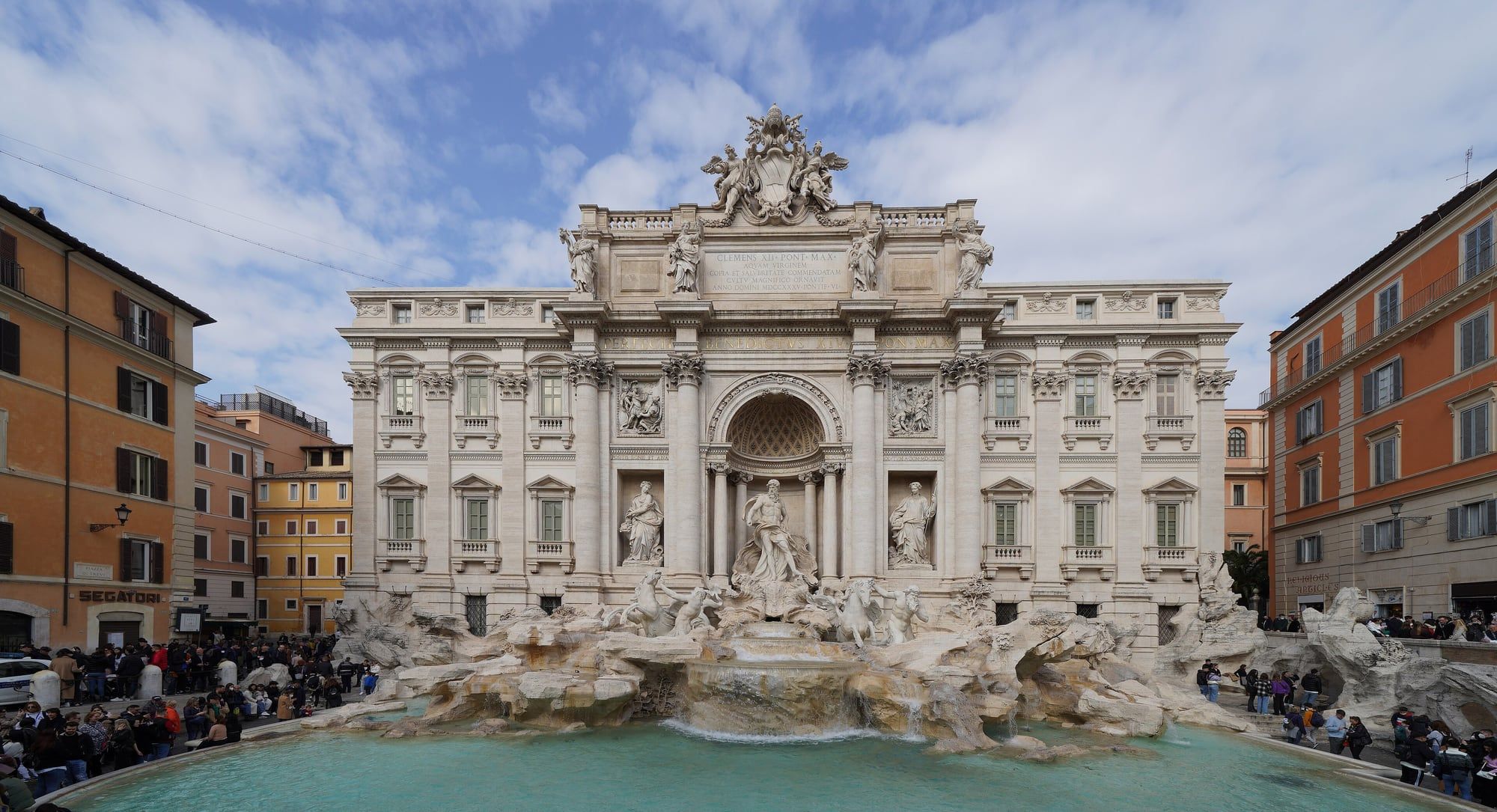
- On foot. From Piazza Venezia walk north along Via del Corso for 200 metres; the courtyard entrance at number 305 is on the left, opposite the end of Via Lata. From the Pantheon it is 5 minutes, from the Trevi Fountain 7 minutes.
- Bus. Via del Corso is pedestrian, but almost every bus through the centre stops at Piazza Venezia: 40, 64, 62, 63, 70, 81, 87, 492, H. Get off at Piazza Venezia or Via del Plebiscito.
- Metro. Line A to Barberini or Spagna, then 12–15 minutes’ walk; line B to Colosseo, then 15 minutes via Via dei Fori Imperiali. The Fori Imperiali/Colosseo station on line C is due to help, but check the Transport & transfers guide for the state of that opening.
- Accessibility. The gallery has a lift to the piano nobile and level floors; ask at the desk. The Secret Apartments include steps.
What is nearby
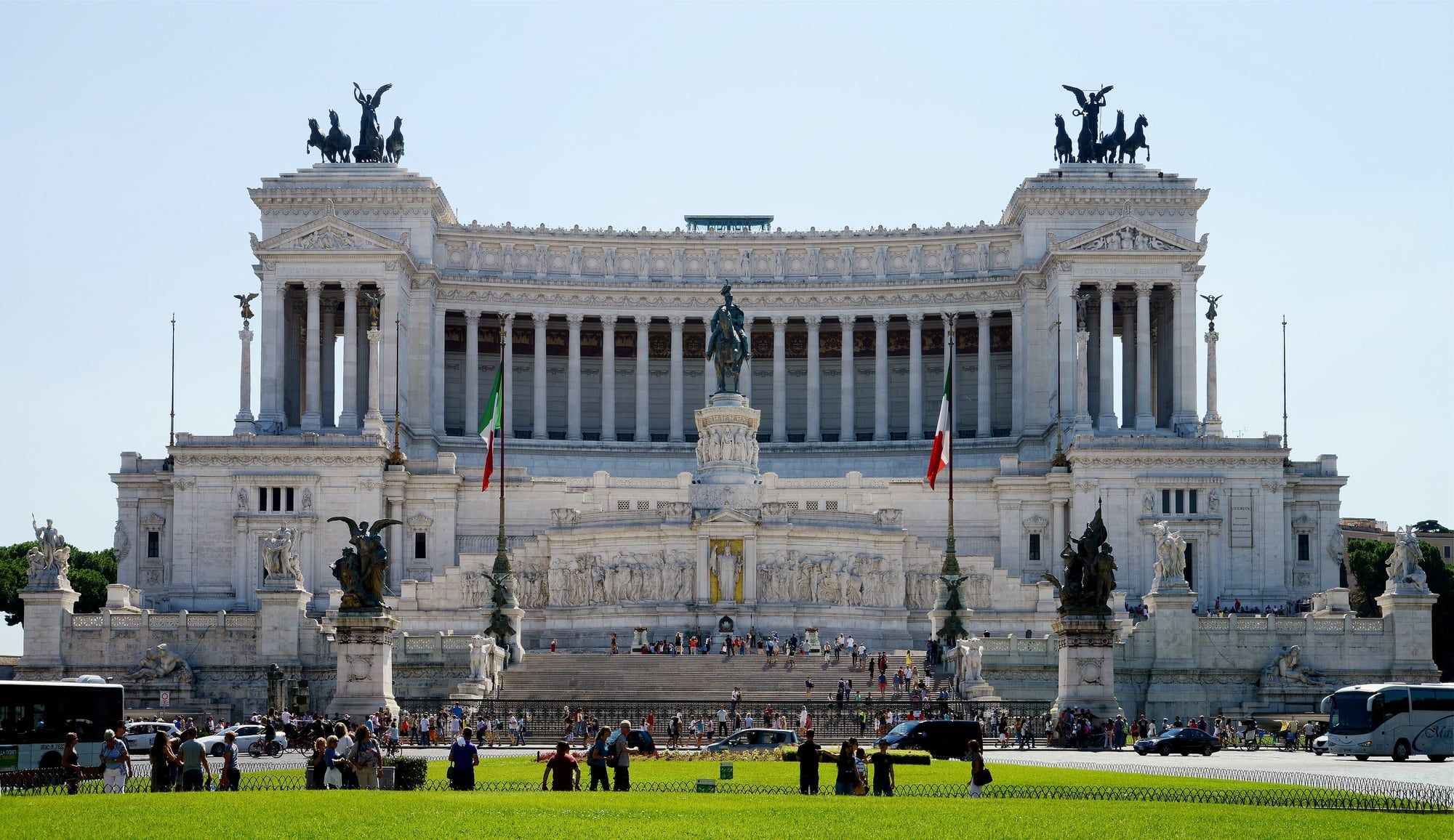
- Vittoriano and its rooftop terrace are 3 minutes away at Piazza Venezia.
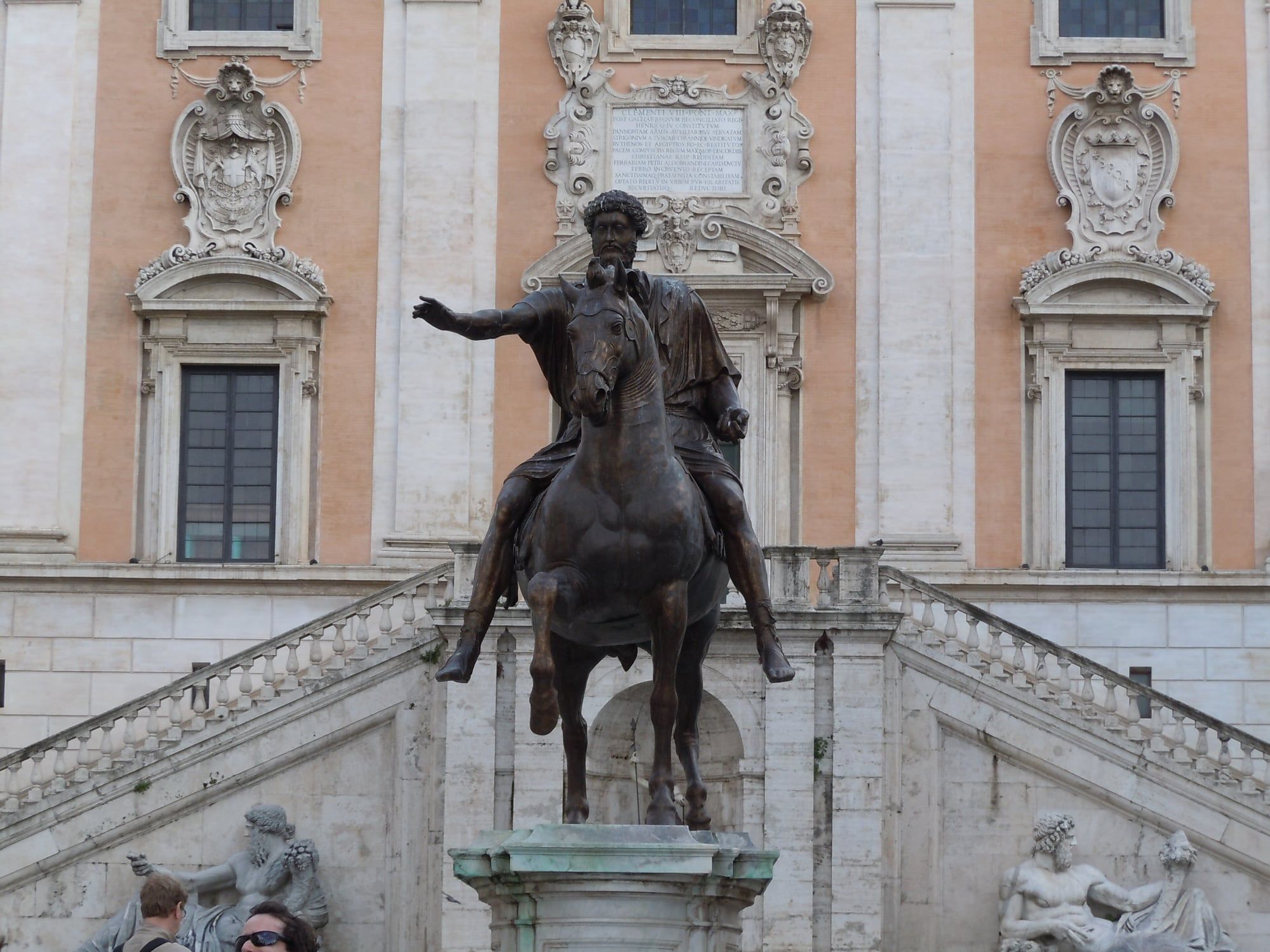
- Capitoline Museums, 8 minutes uphill, pair naturally: ancient Rome in the morning, Baroque Rome after lunch.
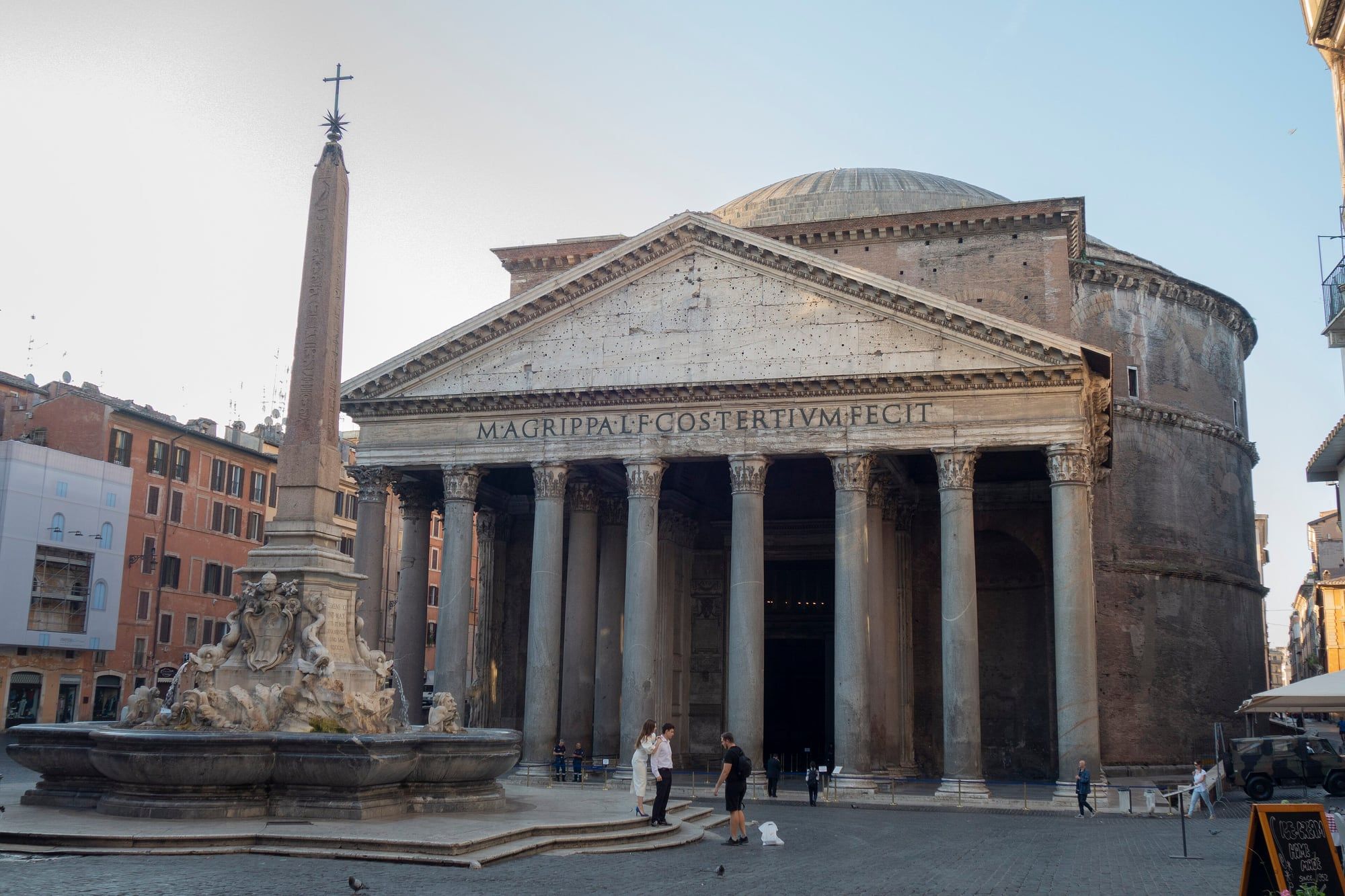
- Pantheon is 5 minutes west; book the €5 ticket online to avoid the queue at weekends.
- Palazzo Barberini is the other great Caravaggio address in the centre, 15 minutes north-east; the two together give you six Caravaggios in a day without the Borghese’s booking scramble.
Booking checklist
- Decide whether you want the Secret Apartments: they have their own times and add about 40 minutes.
- Weekday visit: buy at the palace or on the official site and collect the free audio guide. Weekend or rainy day: book the skip-the-line ticket on Tiqets with a time slot.
- Bring ID for any reduced ticket.
- Small bags are fine; backpacks and umbrellas go to the free cloakroom by the ticket desk.
- Photography without flash is allowed in the galleries; not in the Secret Apartments.
- Mobile tickets are accepted at the courtyard desk; no printing.
- Allow 20 minutes at the end for the small shop and the café in the courtyard, which is quieter than anything on Via del Corso.
Palazzo Doria Pamphilj is the museum to choose on a Monday, on a free-Sunday, or on any day you want Velázquez and Caravaggio without a timed-entry battle; buy the official ticket for the audio guide, or the Tiqets slot when the courtyard queue is likely, and give it an unhurried 90 minutes.