How to use this page
Rome has 22 rioni inside the old walls and 35 quartieri outside them. Visitors need about ten. Trastevere and the Jewish Ghetto have their own pages; the eight below are ordered roughly from closest to the centre to furthest out.
Monti
Character. The oldest residential rione, wedged between Via Nazionale, Via Cavour and the Forum, ten minutes’ walk from the Colosseum. Ancient Rome’s Suburra, then a working-class quarter, now the centre’s most liveable streets: wine bars, vintage shops, a small piazza with a fountain where everyone sits in the evening.
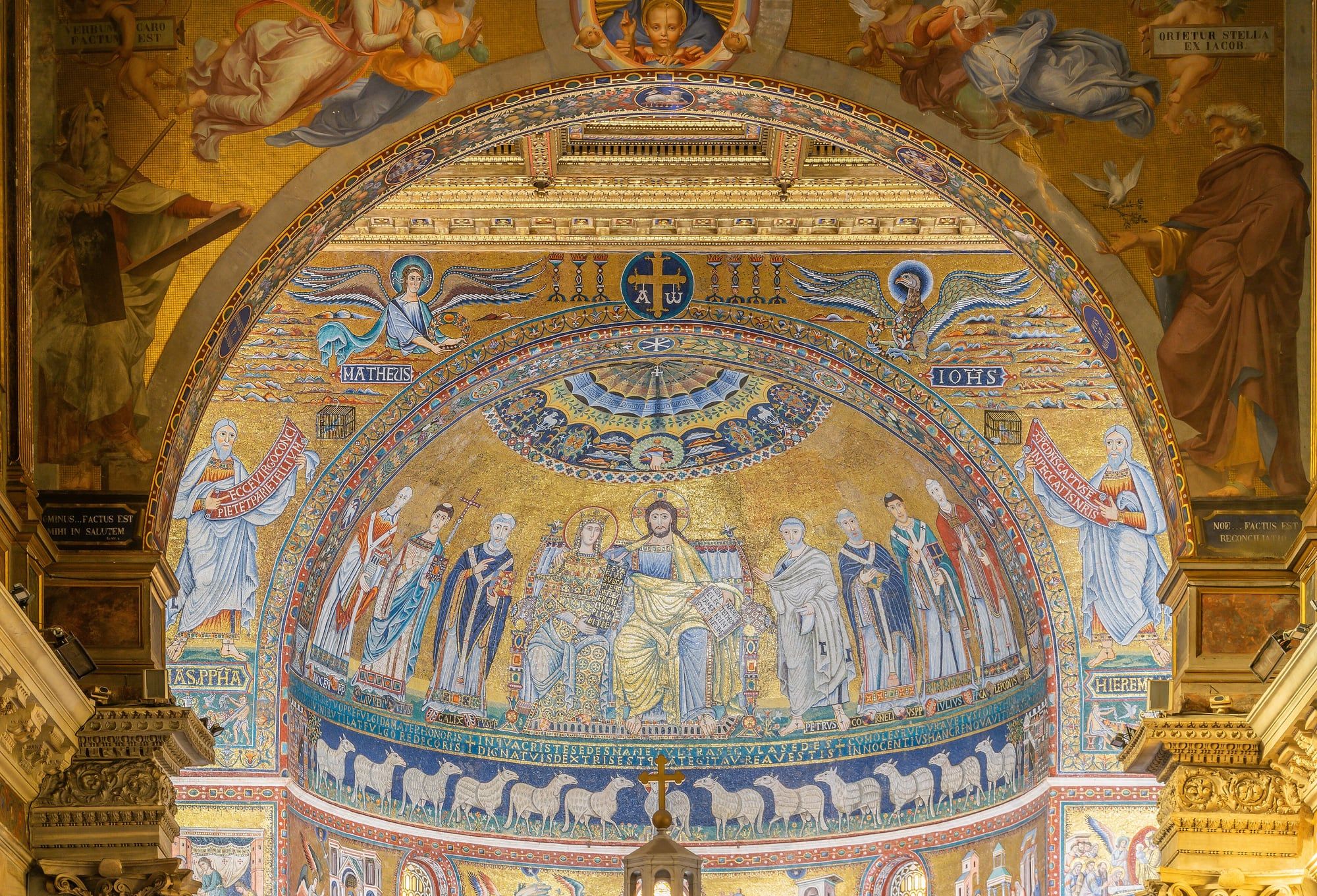
What to see. Piazza della Madonna dei Monti, the meeting point; San Pietro in Vincoli, 5 minutes uphill, free, for Michelangelo’s Moses and the chains of St Peter; Santa Maria Maggiore at the top of Via Panisperna; Via del Boschetto and Via Urbana for independent shops and the Sunday vintage market at Mercato Monti (Via Leonina).
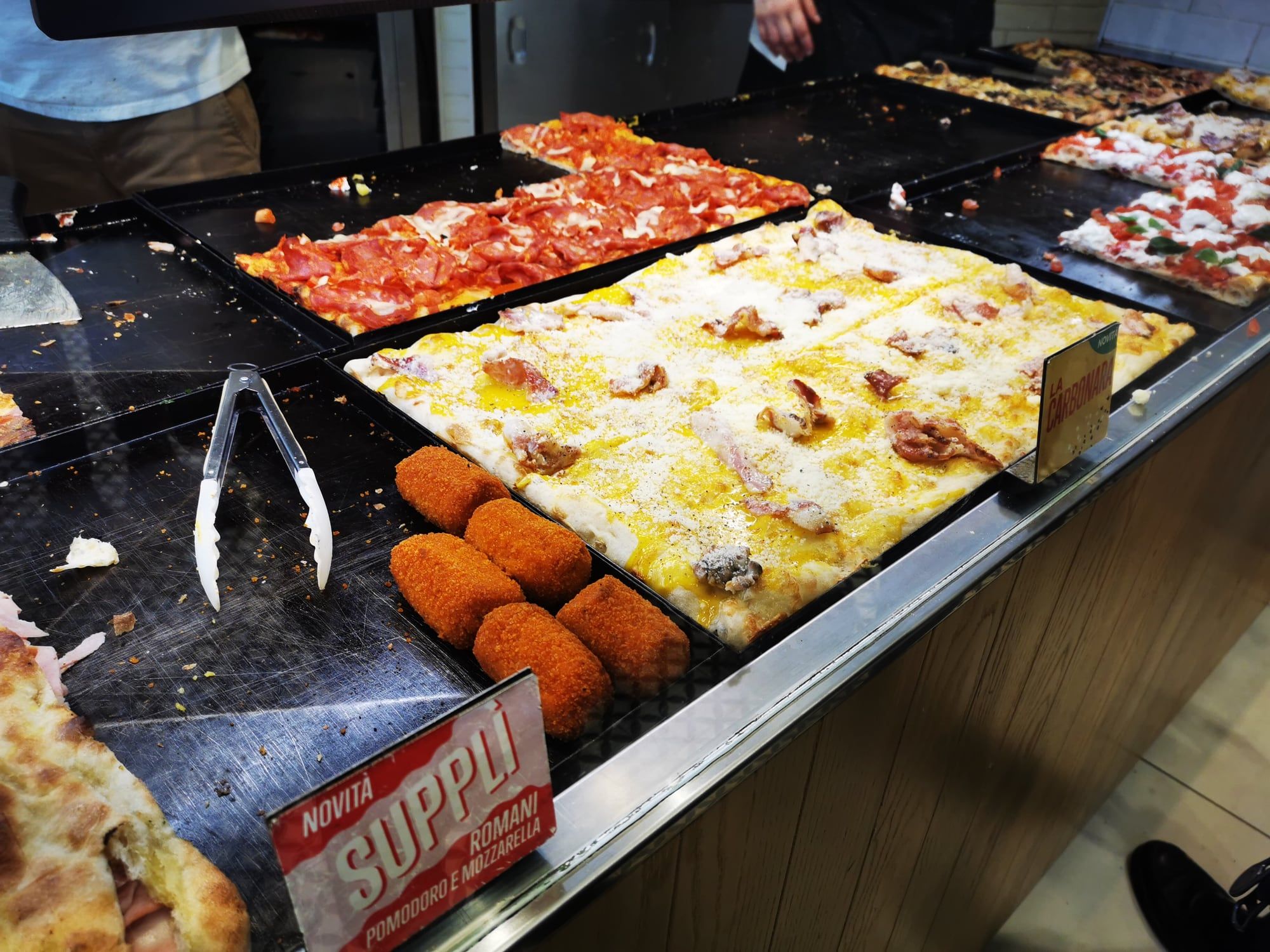
What to eat. Pizza al taglio on Via Leonina, natural-wine bars on Via del Boschetto and Via dei Serpenti, gelato at Fatamorgana on Piazza degli Zingari. Restaurants are mid-priced and fill by 20:30.
How to get there. Cavour metro (line B), or walk from the Colosseum up Via dei Fori Imperiali and Via Cavour.
Best for. First-time visitors who want to stay somewhere with an evening after the Colosseum; aperitivo; anyone who dislikes the crowds in Trastevere.
Testaccio
Character. The working-class district south of the Aventine, built in the 1880s around the slaughterhouse and the river port, on and around Monte Testaccio, a 35-metre hill made entirely of broken Roman amphorae. Locals still call it the most Roman neighbourhood, and its trattorias invented the quinto quarto (offal) classics.
What to see. The Nuovo Mercato di Testaccio (Via Beniamino Franklin, Monday–Saturday mornings), a covered market where half the stalls serve lunch; the Mattatoio, the former slaughterhouse, now a contemporary art venue with free courtyards; the Pyramid of Cestius (12 BC) and the Non-Catholic Cemetery behind it, where Keats and Shelley are buried, donation entry; Monte Testaccio itself, visitable on occasional guided openings.
What to eat. Coda alla vaccinara, rigatoni con la pajata, trippa alla romana at the old-school trattorias on Via di Monte Testaccio and Via Galvani; carbonara and amatriciana everywhere; the market for a €5 lunch of pasta or a panino with allesso di bollito. Clubs occupy the caves cut into the amphora hill; see nightlife.
How to get there. Piramide metro (line B), or tram 3 and buses 23, 75 and 83. Ten minutes on foot from the Aventine keyhole.
Best for. Food, above all: most Rome food tours that leave the centre come here. Also for anyone doing the Aventine at sunset and wanting dinner without crossing the river.
Garbatella
Character. A garden-city housing estate begun in 1920 for port and factory workers: low blocks around shared courtyards, external staircases, gardens, and lodges in a rustic “barocchetto” style, all designed to feel like a village. It has stayed one, with a fierce local identity, murals and a good market.
What to see. The lotti (housing lots) between Piazza Benedetto Brin and Piazza Bartolomeo Romano, especially Lotto 24 and the Albergo Rosso; the street art along Via Passino; the market on Piazza Damiano Sauli. St Paul Outside the Walls, the second-largest church in Rome, is 15 minutes’ walk south.
What to eat. Trattorias around Piazza Damiano Sauli and Via Roberto de Nobili, cheaper than Testaccio and rarely visited by tourists; craft beer bars on Via Passino.
How to get there. Garbatella metro (line B), 10 minutes from the Colosseum; or Basilica San Paolo metro, one stop further, and walk back.
Best for. Architecture and urban-history interest, a quiet Sunday morning, a cheap lunch.
Coppedè
Character. Not a neighbourhood but a cluster of about 40 buildings around Piazza Mincio in the Trieste district, designed by the architect Gino Coppedè between 1915 and 1927 in a mixture of Art Nouveau, Baroque, Gothic and medieval fantasy, with frogs, spiders, sundials and Latin mottoes on the façades. It is the strangest ten minutes of architecture in Rome and completely free.
What to see. Enter under the great arch from Via Tagliamento with its wrought-iron chandelier; the Fontana delle Rane (Fountain of the Frogs) in the centre of Piazza Mincio; the Villino delle Fate (the Fairies’ House); the Palazzo del Ragno with its spider mosaic. Allow 30–45 minutes, then walk 10 minutes to Villa Torlonia or the Catacombs of Priscilla.
What to eat. Cafés on Via Tagliamento and Piazza Buenos Aires; this is a residential area with good pasticcerie and few restaurants aimed at visitors.
How to get there. Tram 3 or 19 to Buenos Aires, buses 63 and 92 to Piazza Buenos Aires; from the centre, about 20 minutes. Bologna or Sant’Agnese/Annibaliano metro (line B1) are 10 minutes’ walk.
Best for. Photographers, architecture fans, a morning combined with Villa Torlonia or the Priscilla catacombs; families, since it is safe and short.
Prati
Character. The orderly 19th-century grid north of the Vatican, built after 1870 with wide streets, Umbertine palaces and no churches facing St Peter’s (a deliberate anticlerical choice). It is where Roman lawyers, journalists and the RAI work, and where visitors to the Vatican should eat.
What to see. Via Cola di Rienzo for mid-range shopping; Piazza Cavour and the Palace of Justice; the Ponte Sant’Angelo and Castel Sant’Angelo at its southern edge; the Vatican Museums entrance on Viale Vaticano at its western edge.
What to eat. Pizza al taglio at Bonci’s Pizzarium by Cipro metro (the one queue worth joining), gelato at Gelateria dei Gracchi, old-school trattorias on Via dei Gracchi and Via Ottaviano, and the Mercato Trionfale, the biggest covered market in Rome, on Via Andrea Doria.
How to get there. Ottaviano, Lepanto or Cipro metro (line A); tram 19; bus 40 or 64 to Piazza Pia.
Best for. Lunch or dinner before or after the Vatican; a quiet, well-connected base for a family; shopping without luxury prices.
San Lorenzo
Character. The student quarter east of Termini, next to La Sapienza university and the Verano cemetery. Bombed in 1943, rebuilt cheaply, and now a mix of bars, bookshops, workshops and a left-wing history written on its walls.
What to see. The Basilica of San Lorenzo fuori le Mura, one of the seven pilgrim churches, with a 13th-century cloister; the Verano monumental cemetery next door, free, vast and quiet; the street art and the artisans’ workshops on Via dei Volsci and Via degli Ausoni.
What to eat. Cheap: pizza and beer on Via dei Volsci and Piazza dell’Immacolata, a few serious trattorias on Via dei Latini, and the best-value aperitivo in Rome. Everything is busiest after 22:00.
How to get there. Tram 3 or 19 to Verano/Reti, bus 71 from Piazza San Silvestro, or 15 minutes on foot from Termini along Via Tiburtina. Policlinico metro (line B) is 10 minutes’ walk.
Best for. Students, budget nightlife, a look at a Rome that is not on postcards. Not for a first visit with limited time.
Pigneto
Character. A former railway workers’ district beyond Porta Maggiore, with low houses, a pedestrianised main street (Via del Pigneto), a morning market, and since the 2000s the bars and restaurants that made it the city’s alternative food and drink centre.
What to see. The Via del Pigneto pedestrian strip and its market (mornings, Monday–Saturday); the murals along Via Fanfulla da Lodi and Via Braccio da Montone; the Porta Maggiore aqueduct gate and the Baker’s Tomb just outside it.
What to eat. Natural-wine bars, pizza, Roman trattorias updated for a younger crowd, and the cocktail bars that fill from 19:00; Via del Pigneto and Via Fanfulla da Lodi hold most of them. Dinner is cheaper than in the centre and needs no booking on weeknights.
How to get there. Pigneto metro (line C), 12 minutes from San Giovanni (line A interchange); tram 5, 14 or 19 from Termini to Piazzale Prenestino; night bus n5.
Best for. Evenings out, a second or third visit to Rome, anyone staying near Termini who wants dinner away from the station.
EUR
Character. The Esposizione Universale di Roma district, planned from 1938 for a 1942 world fair that the war cancelled, finished in the 1950s and 60s. Wide axes, travertine and marble, rationalist palaces, an artificial lake: Fascist-era monumental planning at full scale, now a business district with the calmest streets in Rome.
What to see. The Palazzo della Civiltà Italiana, the “Square Colosseum” with its 54 arches on each face, now Fendi’s headquarters with a ground-floor exhibition space; the Basilica of Saints Peter and Paul on its hill; the Palazzo dei Congressi; the lake and its gardens; the Museo delle Civiltà, which combines the former prehistoric, ethnographic and oriental art collections in one huge building.
What to eat. Office lunches on Viale Europa and around the lake; a few good restaurants but this is not a food destination.
How to get there. EUR Magliana, EUR Palasport or EUR Fermi metro (line B), 15 minutes from Termini; buses 30 and 714.
Best for. Architecture and 20th-century history, photographers, a half-day in August when the centre is unbearable.
Neighbourhoods compared
| District | Metro / tram | Best for | Time | Combine with |
|---|---|---|---|---|
| Monti | Cavour (B) | First visit, aperitivo | 2–3 h | Colosseum, Forum |
| Testaccio | Piramide (B) | Food, market lunch | 2–3 h | Aventine, Pyramid |
| Garbatella | Garbatella (B) | 1920s architecture | 1–2 h | Testaccio, St Paul’s |
| Coppedè | Tram 3/19 Buenos Aires | Photos, families | 45 min | Villa Torlonia, Priscilla |
| Prati | Ottaviano (A) | Vatican meals, shopping | 2 h | Vatican, Castel Sant’Angelo |
| San Lorenzo | Tram 3/19 Verano | Students, budget nights | 2 h | Termini area |
| Pigneto | Pigneto (C) | Evenings, alternative bars | 3 h (evening) | Porta Maggiore |
| EUR | EUR Fermi (B) | Rationalist architecture | 2–3 h | Garbatella (same line) |
What to book
- A hidden-corners walk – Monti, the Aventine and Testaccio, or Coppedè and Villa Torlonia, with a licensed guide, from about €25 on GetYourGuide’s hidden gems category. Operators are compared on walking tours.
- A Testaccio or Monti food tour – market lunch, supplì, offal for the brave, gelato, 3 hours, from about €45 on GetYourGuide’s food and drink category; see food tours for the operators that specialise in Testaccio (Eating Europe, Devour).
- An evening street-art or bar walk in Pigneto or San Lorenzo – less common on the platforms; filter walking tours for “street art”.
Booking checklist
- Pair districts on the same metro line; buy a 24-hour ATAC ticket (€7 as of 2026) rather than singles if you plan three or more rides.
- Markets (Testaccio, Pigneto, Trionfale, Mercato Monti) are mornings only; food tours through them start at 10:00–11:00.
- Evening districts (Monti, Pigneto, San Lorenzo, Testaccio) are safe but keep bags in front on trams and at Termini and Piramide.
- Coppedè and Garbatella are residential: keep the noise down in the courtyards, and do not enter private lotti through closed gates.
- Book food tours 3–5 days ahead in spring and autumn; free cancellation up to 24 hours on GetYourGuide.
- Metro line C from Pigneto reaches Colosseo only via the San Giovanni interchange; allow 25 minutes to get back to the centre from Rome’s outer neighbourhoods at night.