How free Rome works
Most of what makes Rome famous is public space: fountains, piazzas, churches and viewpoints. The paid layer is the archaeological parks and museums. Spend money on two or three of those and fill the rest of your days with the list below. Three rules make it work:
- Churches are open, but not all day. Most close for lunch, roughly 12:30–15:30, and stop tourist access during Mass. Shoulders and knees covered, no hats, no flash.
- Fountains and piazzas are best at the edges of the day. Before 8:30 and after 22:00 you get the Trevi and the Pantheon portico with a few dozen people instead of a few thousand.
- The free museum days are real but crowded. Details in the section further down; they reward early risers and punish anyone who arrives after 11:00.
20 free things to do in Rome
1. St Peter’s Basilica
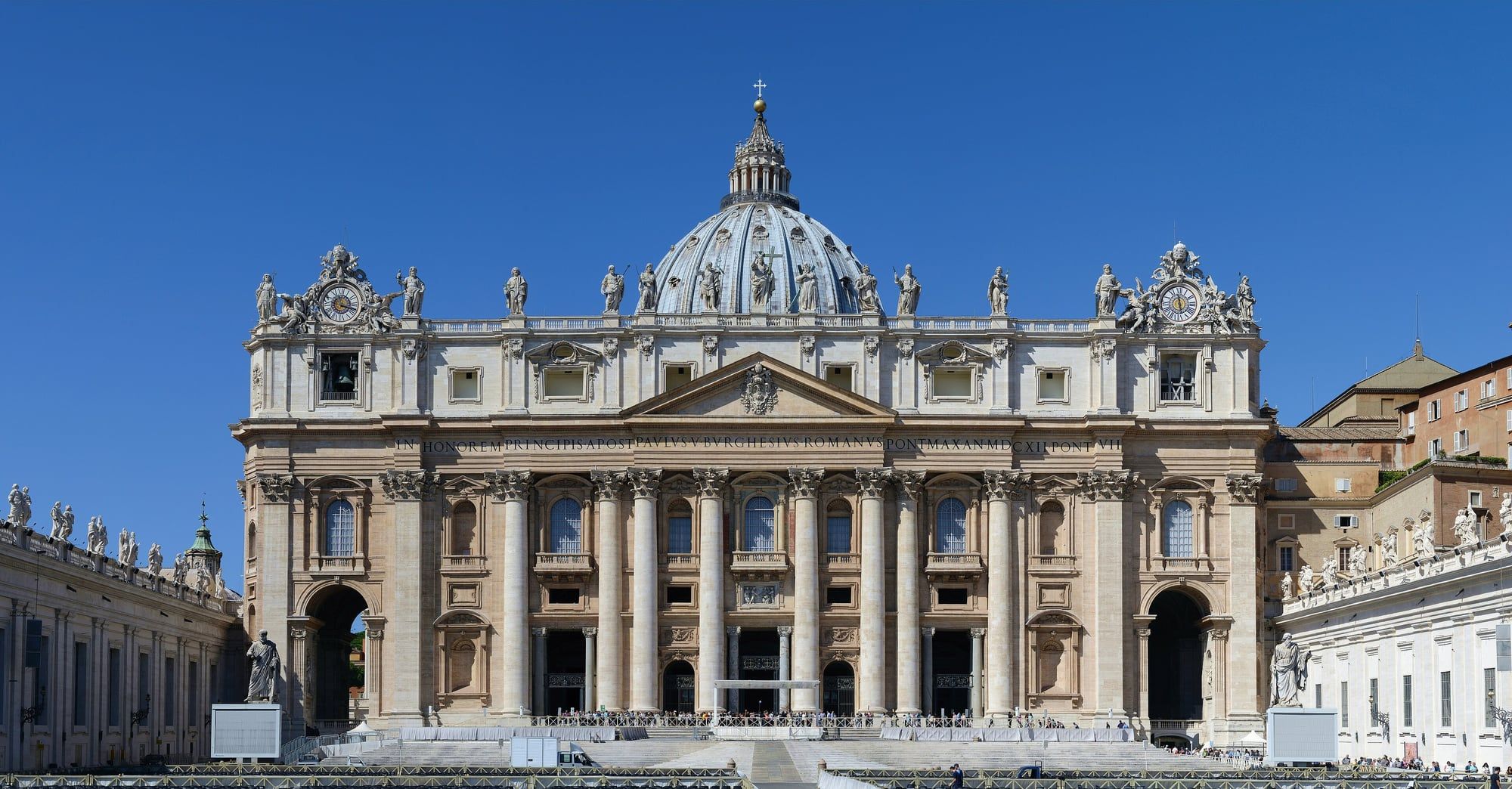
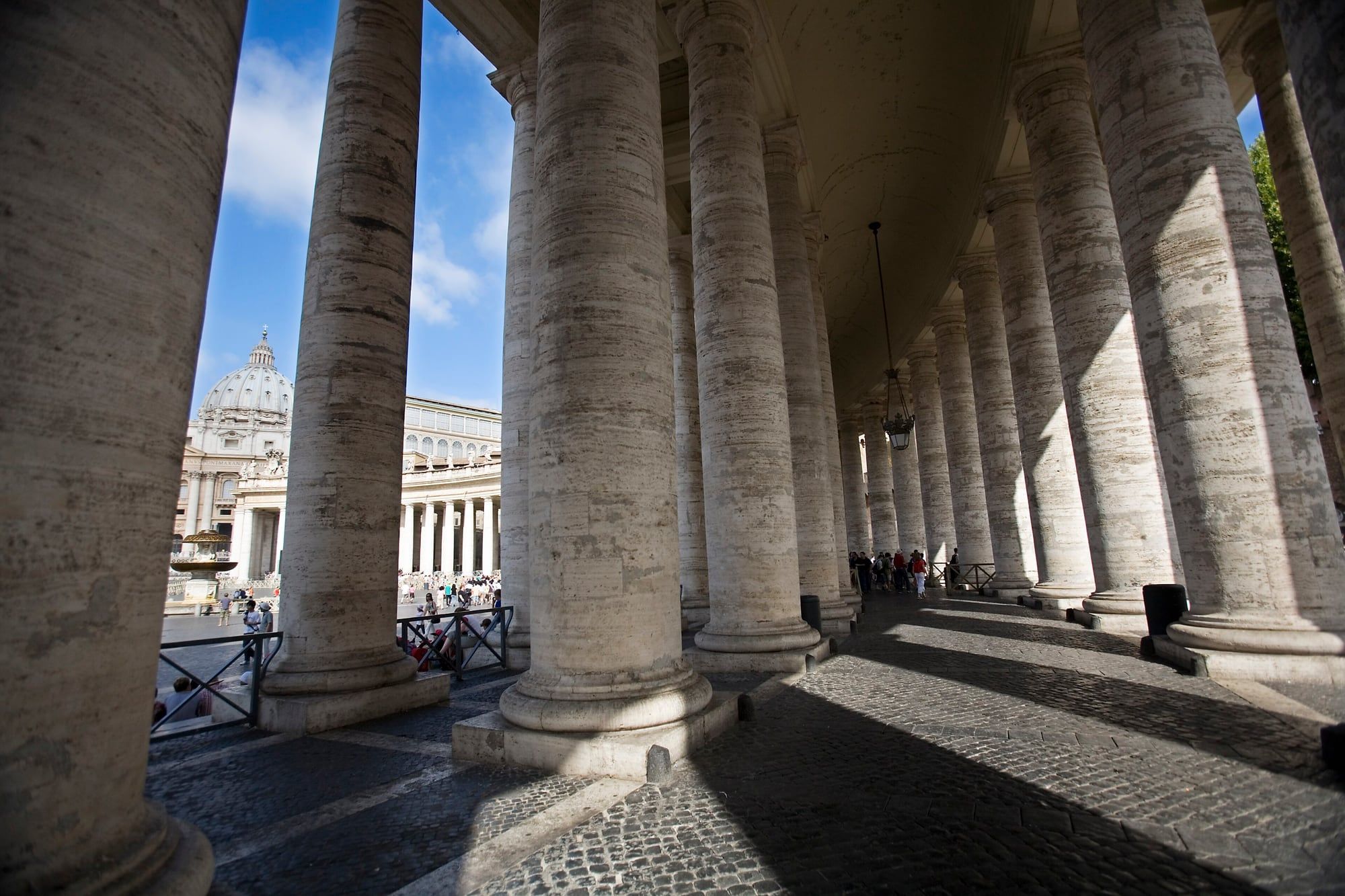
The largest church in the world costs nothing to enter; the only obstacle is security in Piazza San Pietro, 10–15 minutes at 7:00 and up to an hour by late morning. Michelangelo’s Pietà, Bernini’s baldachin and the papal grottoes are all free. The dome climb is paid (about €8 on foot, €10 with the lift). Details in the St Peter’s Basilica guide.
2. Trevi Fountain
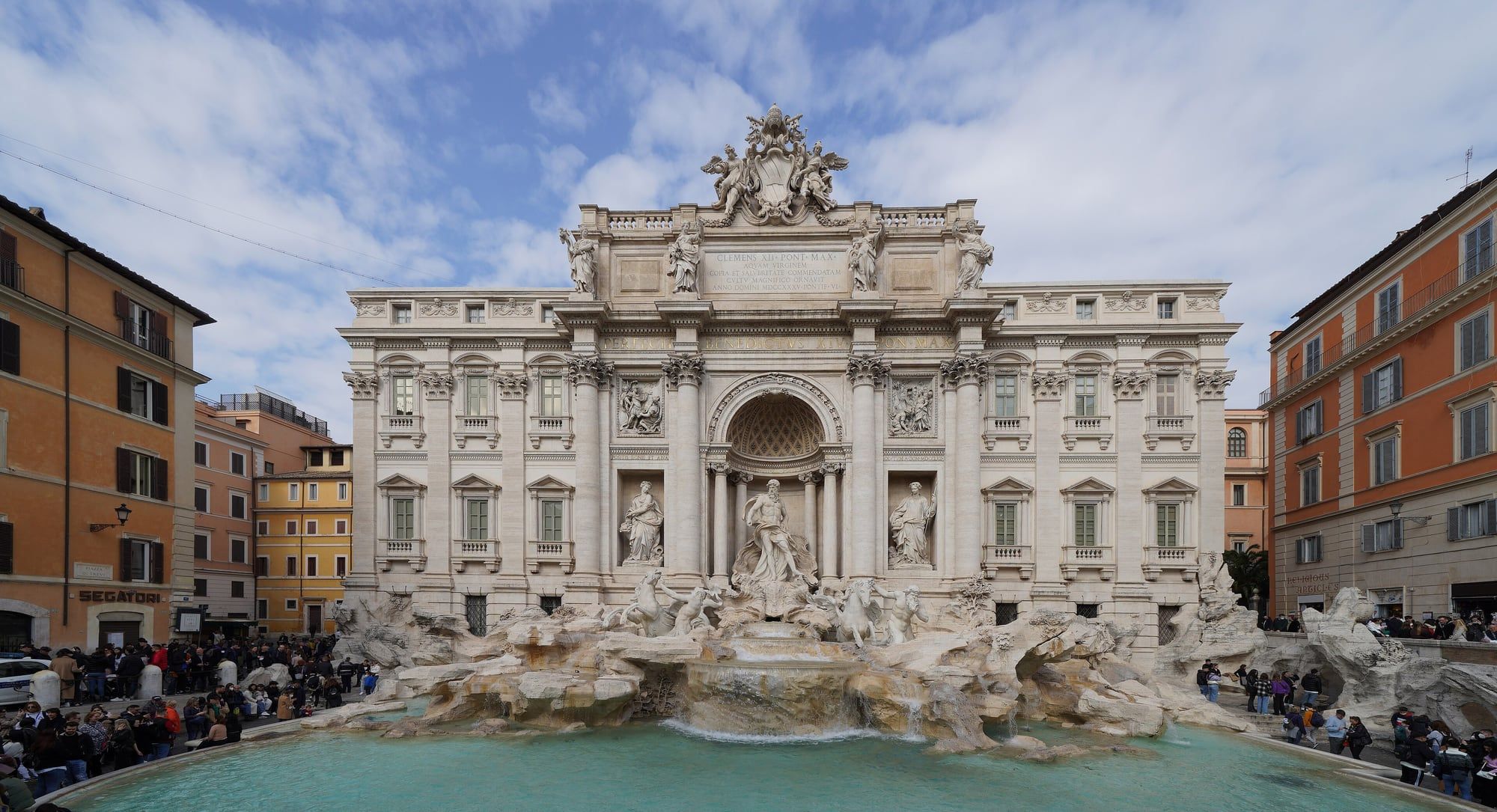
Free, open 24 hours, never empty. Since 2025 stewards regulate how many people stand by the basin, so expect a short queue between 10:00 and 22:00. Arrive at 7:00, throw your coin with the right hand over the left shoulder, and leave before the tour groups. The paid extra worth knowing is the Vicus Caprarius “water city” under the square. More in the Trevi Fountain guide.
3. Pantheon, from the outside (and what the €5 buys)
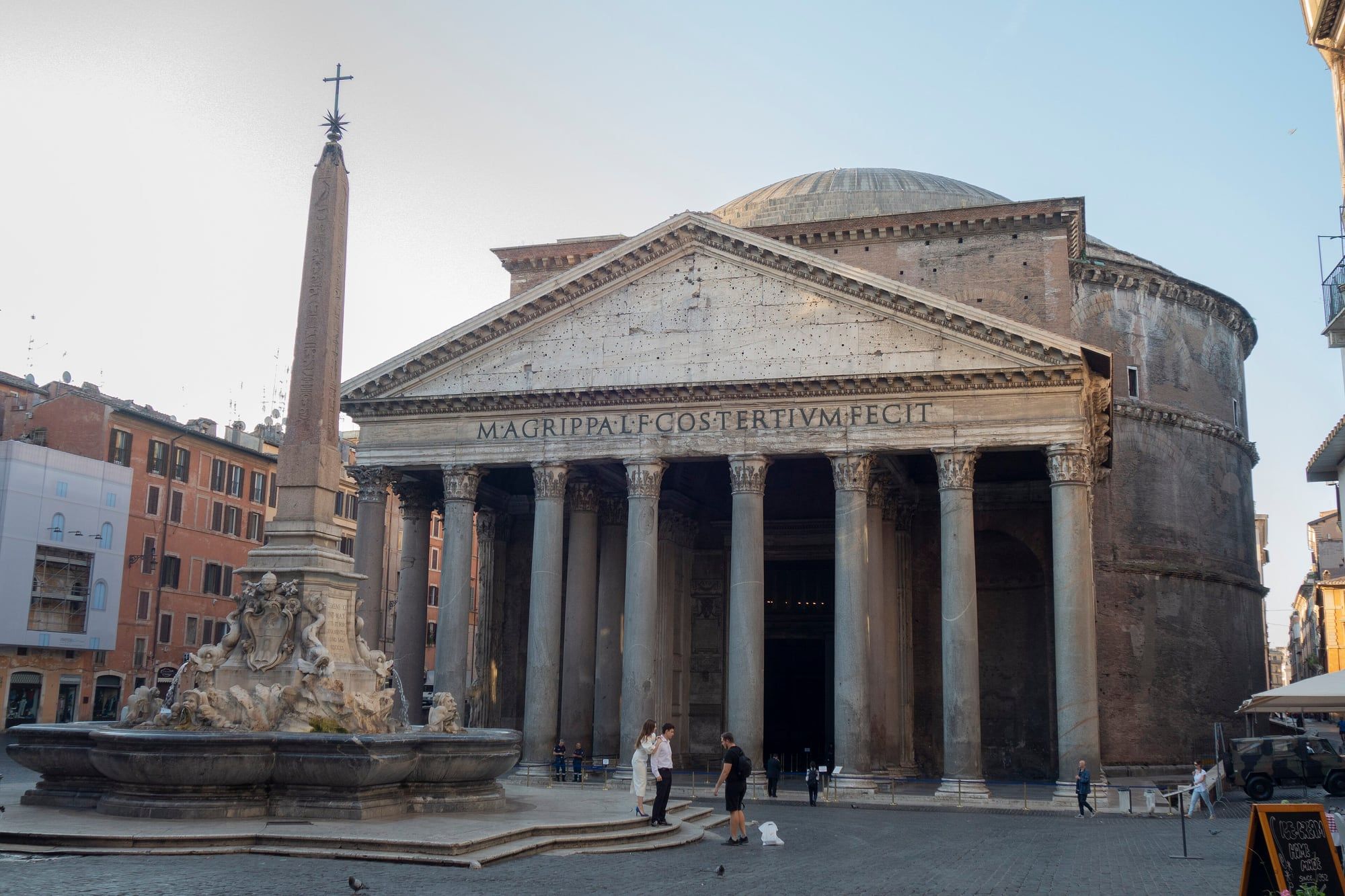
The Pantheon charged nothing for 1,900 years and €5 since July 2023 (at our last check, free for under-18s and residents). The portico with its sixteen granite columns and the square with its fountain and obelisk are still free. The inside is worth the €5: the 43.3-metre concrete dome and Raphael’s tomb. Skip the ticket queue with a fast-track ticket on Tiqets from €11.80 or read the Pantheon guide first.
4. Piazza Navona
Bernini’s Fountain of the Four Rivers, Borromini’s Sant’Agnese in Agone and the long oval of Domitian’s stadium underneath. Free at all hours; street artists in the evening, painters by day. The church is free; the stadium ruins below are a paid site. See Piazza Navona.
5. Spanish Steps
135 steps, restored in 2016, and since 2019 sitting on them is fined (€250 in theory, a whistle in practice). Climb them for the view down Via Condotti, then keep going up to the Pincio terrace. Guide: Spanish Steps.
6. Gianicolo terrace and the noon cannon
The best free panorama of Rome. From Trastevere walk up Via Garibaldi, past the Fontana dell’Acqua Paola (the “Fontanone”), to Piazzale Garibaldi. Every day at 12:00 a cannon fires from below the terrace, a tradition since 1847. Sunset here beats any rooftop bar for the price.
7. Villa Borghese park
80 hectares of umbrella pines, a lake with rowing boats (paid), the Pincio terrace over Piazza del Popolo, and free entry to the park itself from dawn to dusk. The Borghese Gallery inside the park is paid and needs a booking; the park does not.
8. San Luigi dei Francesi: three Caravaggios
The Contarelli Chapel holds Caravaggio’s Calling of St Matthew, St Matthew and the Angel and Martyrdom of St Matthew. Free; a €1 coin lights the chapel for a minute. Open roughly 9:30–12:45 and 14:30–18:30, closed Thursday afternoon. Two minutes from Piazza Navona.
9. Santa Maria del Popolo: two more Caravaggios
The Cerasi Chapel, left of the high altar, has the Conversion of St Paul and the Crucifixion of St Peter, plus a Raphael-designed Chigi Chapel with Bernini sculptures. Free, on Piazza del Popolo, closed at lunch.
10. Sant’Agostino: the Madonna dei Pellegrini
The third free Caravaggio church, 100 metres from San Luigi. Also Raphael’s Prophet Isaiah fresco. Together the three churches make a free Caravaggio walk you would pay €25 for as a tour.
11. Piazza del Campidoglio and the Forum overlook
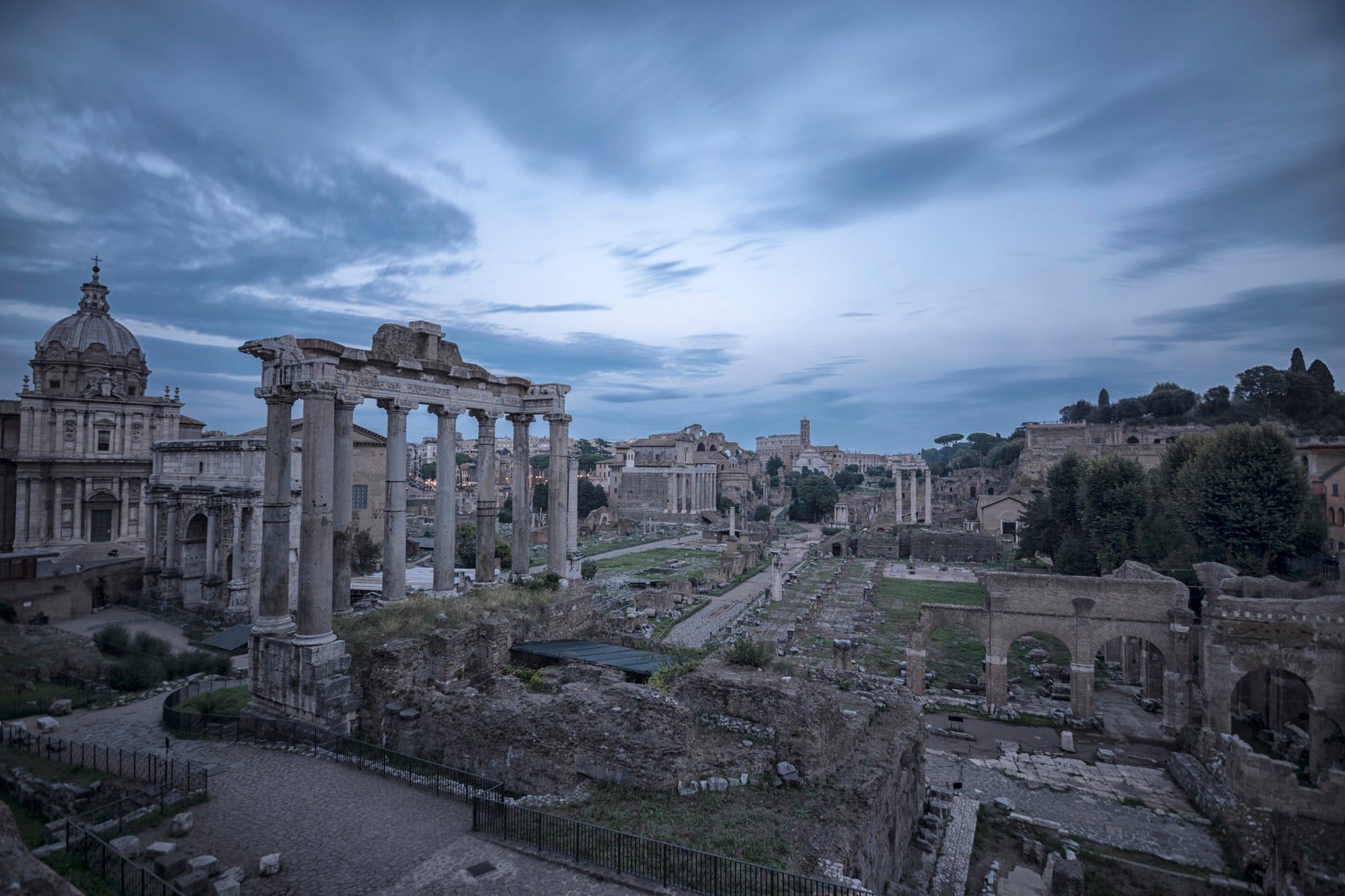
Michelangelo’s piazza on the Capitoline Hill is free. Walk to either side of the Senate building (Palazzo Senatorio) and you get the classic view over the Roman Forum without a ticket. Best at 17:00–19:00 when the light hits the columns. The Capitoline Museums on the square are paid.
12. Vittoriano terraces
The lower terraces of the Altare della Patria are free and give a view over Piazza Venezia and the Forum; the panoramic lift to the top is paid. Details in the Vittoriano guide.
13. The Aventine keyhole and the Orange Garden
Look through the keyhole of the Knights of Malta priory door and the dome of St Peter’s sits framed at the end of a hedge. Free; queue of 10–30 people at midday, nobody at 8:00. Next door, the Giardino degli Aranci is a free terrace over the Tiber. See Aventine keyhole.
14. Circus Maximus
The 600-metre grass oval where 150,000 Romans watched chariot races is a free public park. Stand at the curved southern end for the Palatine backdrop. The small archaeological area and the VR “Circo Maximo Experience” are paid. Guide: Circus Maximus.
15. Trastevere and Santa Maria in Trastevere
The 12th-century mosaics in Santa Maria in Trastevere are free and lit well in the morning. The neighbourhood itself, Piazza Trilussa at sunset and the Sunday Porta Portese market cost nothing. See Trastevere.
16. The Jewish Ghetto and the Portico d’Ottavia
Five minutes from Campo de’ Fiori: the ruins of the Portico d’Ottavia, the Teatro di Marcello from the street, the Turtle Fountain and the kosher bakeries on Via del Portico d’Ottavia. The synagogue museum is paid. See Jewish Ghetto.
17. Santa Maria Maggiore and San Giovanni in Laterano
Two of the four papal basilicas, both free. Santa Maria Maggiore has 5th-century mosaics and, since 2025, the tomb of Pope Francis. San Giovanni is the cathedral of Rome, with the Scala Santa opposite.
18. The Appian Way on a Sunday
On Sundays and holidays the first stretch of the Via Appia Antica is closed to cars, and the basalt road, tombs and aqueduct arches of the Parco degli Acquedotti are free to walk or cycle. The catacombs along the road are paid. Guide: Appian Way.
19. Largo di Torre Argentina from the pavement
The four Republican temples and the site of Julius Caesar’s murder (the Curia of Pompey) are visible free from the railings, cat colony included. The walkway inside the ruins has charged a ticket since 2023.
20. Nasoni, markets and the Protestant Cemetery
Rome’s roughly 2,500 cast-iron “nasoni” fountains give free cold water; bring a bottle. The Mercato di Testaccio and the Campo de’ Fiori morning market are free to wander. The Non-Catholic Cemetery by the Pyramid of Cestius, with Keats and Shelley, asks a €3 donation.
How free museum Sundays actually work
First Sunday of the month (state sites). The Ministry of Culture’s “Domenica al Museo” opens state museums and archaeological parks free. In Rome that means the Colosseum, Roman Forum and Palatine, Castel Sant’Angelo, Baths of Caracalla, Ostia Antica, Palazzo Barberini, the National Roman Museum and the Borghese Gallery. Three catches:
- The Colosseum does not accept online bookings for free days. Tickets are handed out at the ticket office from opening, and the line forms an hour earlier. Expect 60–90 minutes of queueing in spring and autumn; in January it is 15 minutes.
- The Borghese Gallery still requires a reservation for free Sunday slots, and they go within minutes of release. Treat it as unavailable unless you plan weeks ahead.
- City-run museums (Capitoline, Ara Pacis, Trajan’s Markets) are free on the first Sunday only for Rome residents.
Last Sunday of the month (Vatican Museums). Free entry 9:00–14:00, last entry 12:30, no booking possible. The queue along the Vatican walls reaches two hours by 9:30. It is worth it only if you arrive by 7:45 or you are on a tight budget; otherwise the €20 ticket plus €5 online reservation on a weekday afternoon is a better use of your time. See the Vatican Museums guide.
Always free. Under-18s enter all state museums free with ID, every day. EU citizens aged 18–25 pay €2 at state sites. If either applies to you, ignore the free Sundays and go on a quiet Tuesday.
Free walking tours: the honest version
Tip-based walking tours leave from Piazza di Spagna, Piazza Navona and Termini several times a day. What you get: a two-to-three-hour loop of piazzas, fountains and the Pantheon exterior with a guide who is usually good. What you do not get: entry to any ticketed site, small groups (25–40 people is normal), or a guarantee the guide holds the licence required inside the archaeological parks.
The guide usually pays the company a fee per head, so a group that tips nothing costs them money. Budget €10–15 per person and it is a fair deal. If you would rather pay a fixed price for a group of 15 with a licensed guide, a small-group walking tour on GetYourGuide starts around €20 and does the same route with less shuffling. For a second visit, a hidden-corners walk covers courtyards and churches the free tours skip. Compare formats in the walking tours guide.
What to book
Free Rome covers the surface; four paid experiences cover what the surface cannot.
- A walking tour on your first morning ties the piazzas together and saves an afternoon of wandering. From about €20 for a small group: see walking tours on GetYourGuide or read walking tours in Rome.
- The Colosseum with the Forum and Palatine is the one archaeological site no free viewpoint replaces. Standard ticket €18; guided from about €49. See the Colosseum guide.
- The Vatican Museums and Sistine Chapel — there is no free view of Michelangelo’s ceiling except the last-Sunday queue. See Vatican Museums tickets.
- The Pantheon interior at €5 is the cheapest paid sight in the city and the one most worth it. Fast-track from €11.80 on Tiqets (checked via the Pantheon guide.
If you plan to pay for three or more sites in 72 hours, run the numbers on the city passes page before buying single tickets.
A free day, hour by hour
On foot, no ticket: 7:30 Trevi, then the Spanish Steps and the Pincio; 9:30 Villa Borghese down to Santa Maria del Popolo; 11:00 Sant’Agostino, San Luigi dei Francesi, Piazza Navona, Pantheon exterior; 13:00 pizza al taglio near Campo de’ Fiori, then the Ghetto and Largo Argentina; 15:00 Campidoglio, Forum overlook, Vittoriano terraces, Colosseum exterior; 17:30 Trastevere and the Gianicolo for sunset.
That day covers 12 of the 20 free things to do in Rome. Add the Aventine, Circus Maximus and Testaccio on day two, and the Appian Way on a Sunday. Spend what you save on one good guided tour and a proper dinner.