What the underground ticket gets you
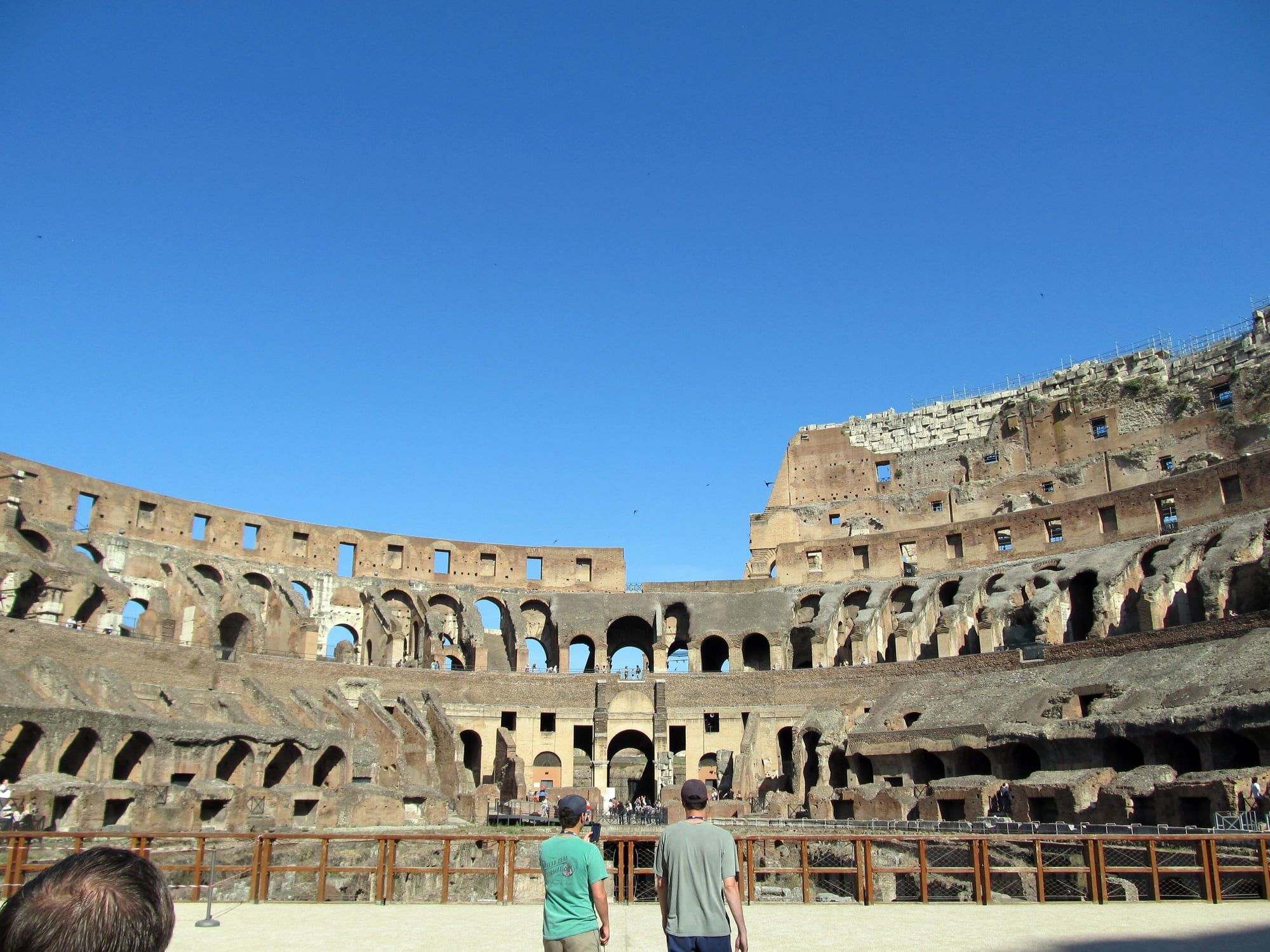
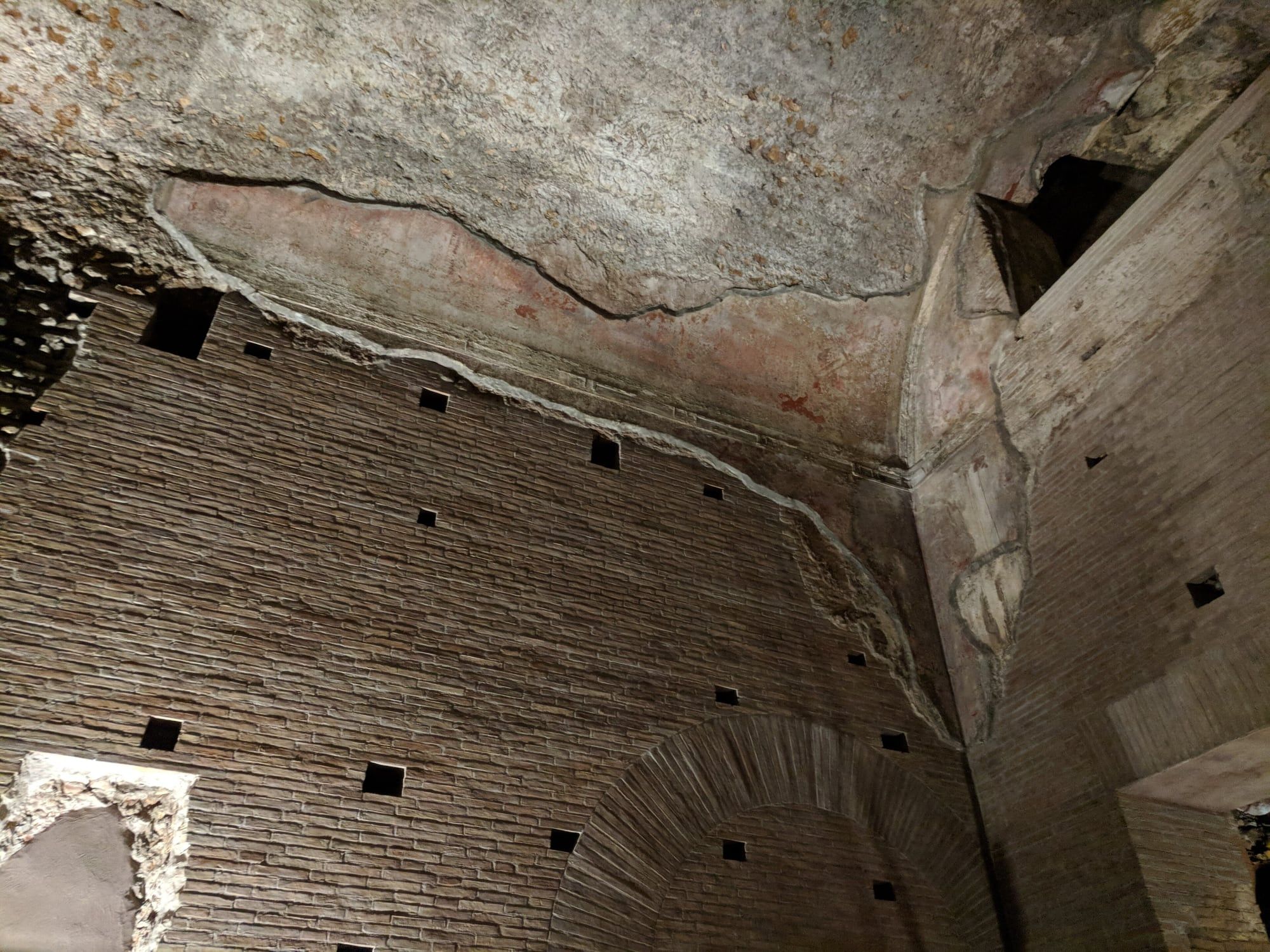
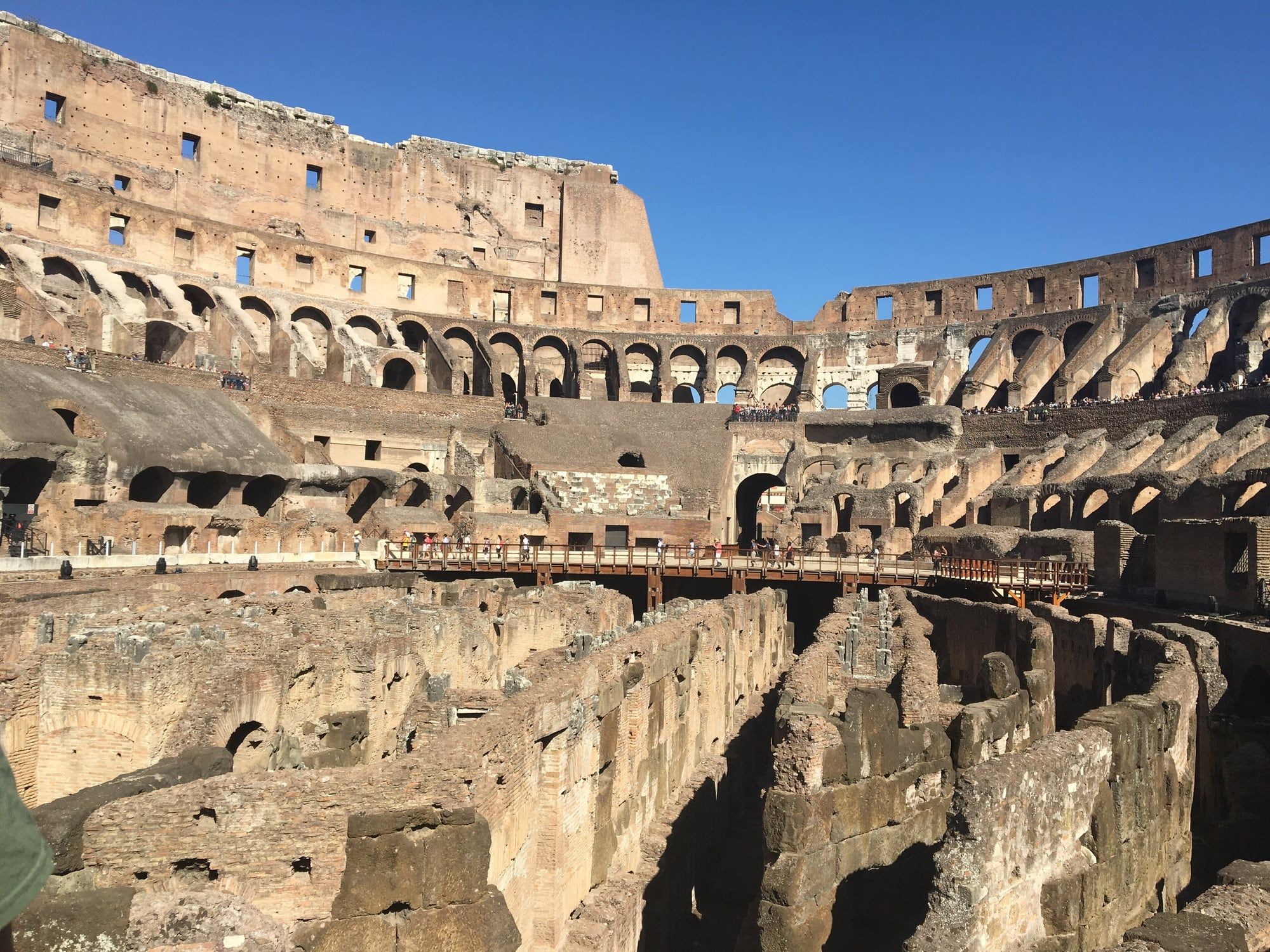
The hypogeum is the two-storey basement under the arena of the Colosseum, added by Domitian in the 80s AD after the building had already opened. It is where the shows were prepared: cages for animals, storage for scenery, the mechanism of 28 wooden lifts that lifted a lion or a painted forest through trapdoors into the sand above. The wooden floor is gone, so from the tiers you look straight into it, but walking through it is a separate, escorted visit.
The official ticket is the Full Experience Underground and Arena, €24 plus an online fee of about €2, at our last check. It includes:
- An escorted walk through part of the hypogeum with park staff, in a timed group, following a fixed route on walkways above the ancient floor level.
- The arena floor, entered through the Porta Libitinaria after the underground section.
- The first and second tiers of the Colosseum, free-flow.
- The Roman Forum, Palatine Hill and SUPER sites, valid on the same or the following day.
The escort is not a full guided tour. Staff walk the group through, point out the main features and answer questions, in Italian and English, and the underground section lasts about 25–30 minutes. Licensed operators offering the same route add a proper narration and usually the Forum afterwards; that is what the higher price buys.
What is down there
The route takes you along the central axis corridor, where a reconstructed lift shows how the winch, counterweights and trapdoor worked. Around it you see:
- The brick piers that carried the arena floor and the slots cut for the lift frames — 28 of them around the ellipse.
- Side galleries with the remains of the animal cages and the drains that carried away water after the rare flooded spectacles.
- The tunnel towards the Ludus Magnus, the gladiator barracks across Via Labicana, through which fighters entered without crossing the public streets.
- The lower level, usually flooded until modern drainage, which explains why the hypogeum survived at all: it was buried under silt and rubble until excavations in the 1930s.
Two details the escort will point out if you ask: the grooves worn into the travertine by the ropes of the lifts, still visible on several piers, and the numbering system on the corridors, which matched the numbered arches above so that scenery for a given act could be staged under the right section of the arena. A show day involved several hundred slaves and stagehands working below in near darkness, by lamplight, in the heat of the animals; the hypogeum was a backstage, not a dungeon, and the escort’s explanation of how a morning’s animal hunt was staged is the part of the visit most people remember.
The restoration financed by Tod’s opened the whole hypogeum to visitors in 2021; earlier visits covered only a fraction. Bring a torch-capable phone: it is dim, and the brickwork detail is what makes it interesting.
Timing is everything
Underground slots are the scarcest ticket in the city. The official calendar opens about 30 days before each date at 9:00 Rome time, and in high season the day’s underground places are gone the same morning. Two habits help:
- Book the first possible day of your trip, not the ideal one. If you get it, you have a spare day to rearrange around.
- Prefer weekday afternoons in the calendar; the last escorted groups of the day are the ones that stay available longest.
Inside, the underground is cool in every season, so it is the one part of the Colosseum that works well at 13:00 in August. The arena floor after it does not; if you have a midday slot, do the underground, then the shaded second tier, and leave the arena photographs for the end of the slot.
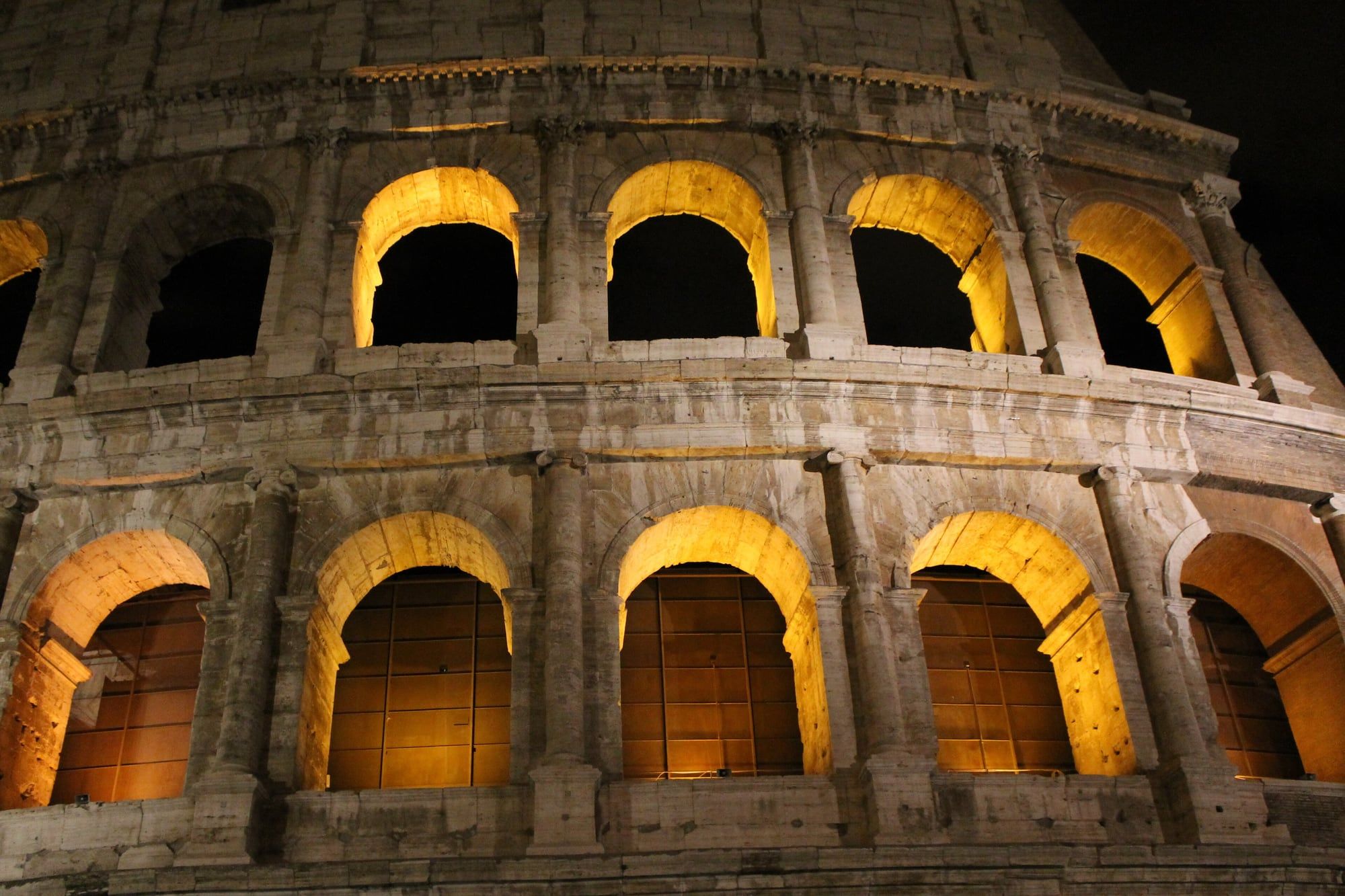
Evening openings run in summer, usually from late spring to early autumn, and are the calmest way to see the hypogeum: lit from below, groups of 25 or fewer, no heat. They are operator products rather than a standard ticket; the night tours guide lists what is running and at what price.
November to February is the easiest period to get an official slot a week or two ahead instead of a month.
The insider entry
All underground visitors, official and operator, go through the main entrance on Piazza del Colosseo, then gather at the meeting point marked “Sotterranei / Underground” inside, near the arena gate. Arrive 15 minutes before the printed time; the escort leaves on time and cannot be joined once below ground.
Operators with underground slots use the group turnstile and their own security lane, which saves the 10–20 minutes of the individual queue at peak hours. That, plus a guaranteed slot, is the whole “skip-the-line” advantage; there is no separate door to the hypogeum.
Practical notes: no large bags (there is no cloakroom), flat shoes for the metal walkways, and no pushchairs below ground. Wheelchair users can reach the arena and tiers by lift but not the underground; the balustrade at the edge of the arena floor gives the best view down.
How to save
- Buy the official ticket if you can get it. €24 plus fee against €60–120 for the same route with an operator. The difference is the narration and the guaranteed slot.
- Under 18: free on the same booking; EU 18–25: €2 plus fee with ID.
- The underground ticket includes the arena, so never buy both.
- Two days of validity: do the Forum, Palatine and the SUPER sites the next day instead of buying a separate Forum Pass SUPER (about €24).
- Roma Pass counts the Colosseum as an included attraction but not the underground supplement; details in the city passes guide.
- Compare operators on inclusions, not price alone. A €60 tour with underground and arena but no Forum can be better value than a €90 tour that spends 90 minutes in the Forum you could walk alone. Check the underground tours on GetYourGuide and read the itinerary line by line.
How to get there
Metro line B to Colosseo; the exit faces the amphitheatre and the main entrance is a two-minute walk to the left around the piazza. Tram 3 and ATAC buses 51, 75, 85, 87 and 118 stop at Piazza del Colosseo. From Termini it is 5 minutes by metro or 20 on foot down Via Cavour. Ticket options for public transport are in the transport guide.
Tour meeting points are typically the Arch of Constantine or the metro exit; the booking confirmation gives the exact spot and the guide’s sign.
What is nearby
- Colosseum arena floor — the floor above the corridors you have just walked; included in the underground ticket.
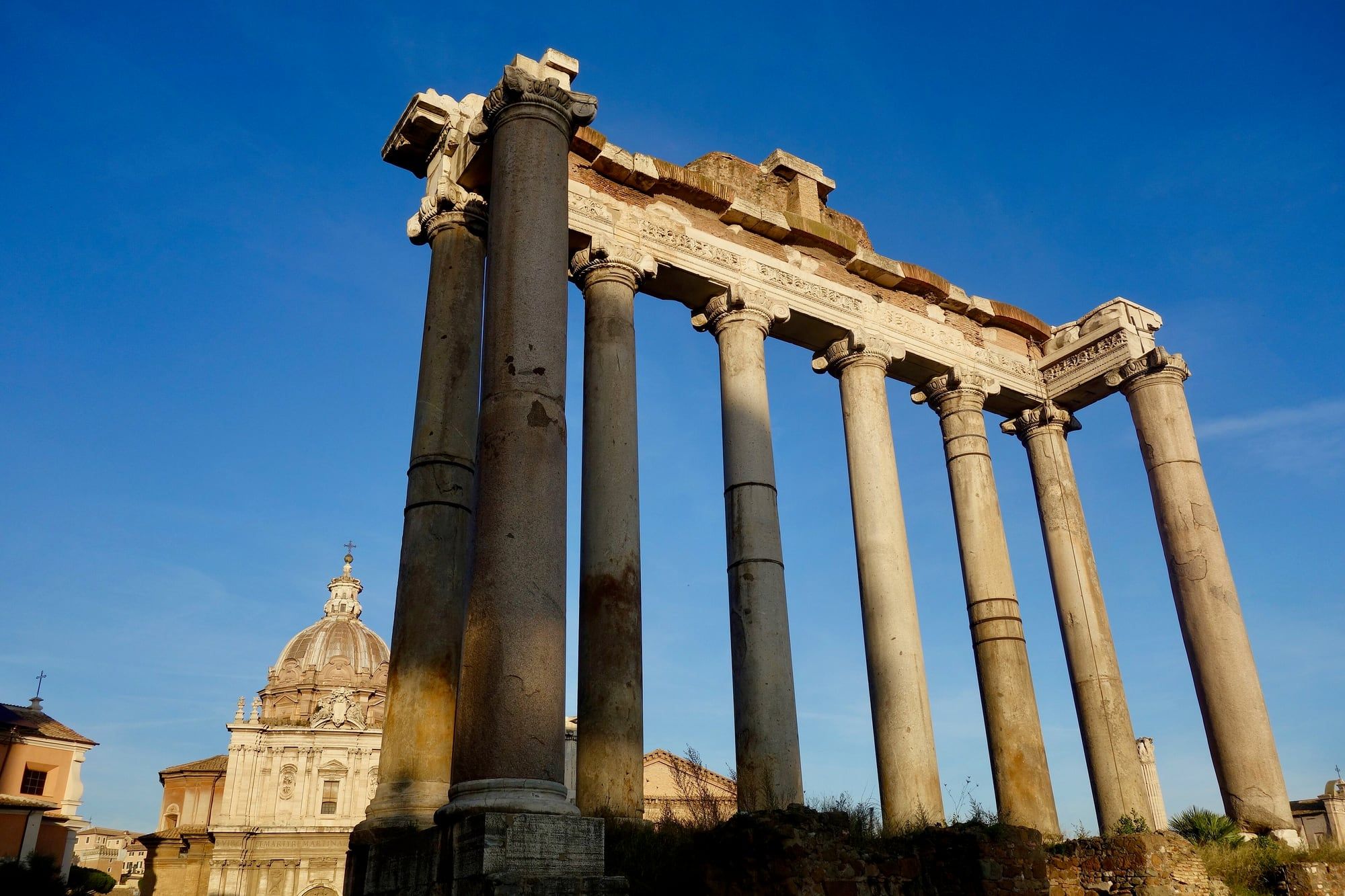
- Roman Forum and Palatine Hill — included, valid the next day; enter from Via di San Gregorio.
- Domus Aurea — Nero’s underground palace 5 minutes away on the Oppian Hill, the other great excavation of the area, weekend visits with a VR reconstruction.
- Ludus Magnus — the gladiator barracks visible from the street on Via Labicana, free, the far end of the tunnel you saw underground.
Booking checklist
- Note your ideal date and the release date about 30 days earlier; be on the official site at 9:00 Rome time.
- Enter every visitor’s name exactly as on their ID; the ticket is personal and checked twice.
- If nothing is available, check underground tours on GetYourGuide the same day; operator allocations also run out.
- In summer consider the evening tour with underground (rated 4.6 from about 950 reviews) instead of a midday slot.
- Bring ID, a small bag, flat shoes, water; leave the pushchair with someone at the arena.
- Arrive 15 minutes before the underground time and go straight to the “Sotterranei” meeting point inside.
- Save the Forum and Palatine for day two.
The Colosseum underground rewards the visitors who plan a month ahead and punishes everyone else. Get the official Full Experience ticket on release day, or accept the operator premium for a guaranteed place; either way, it is the part of the building that explains how the rest of it worked.