Rome in January: two different months
January splits at Epiphany. From 1 to 6 January the city is still in Christmas mode: Italian families are on holiday, Piazza Navona has its Befana stalls, hotels charge December prices and the Colosseum runs at holiday capacity. From 7 January everything changes. Schools reopen, hotel rates fall to the year’s floor, and the museums empty out. If you can choose, arrive on or after the 7th.
Weather in Rome in January
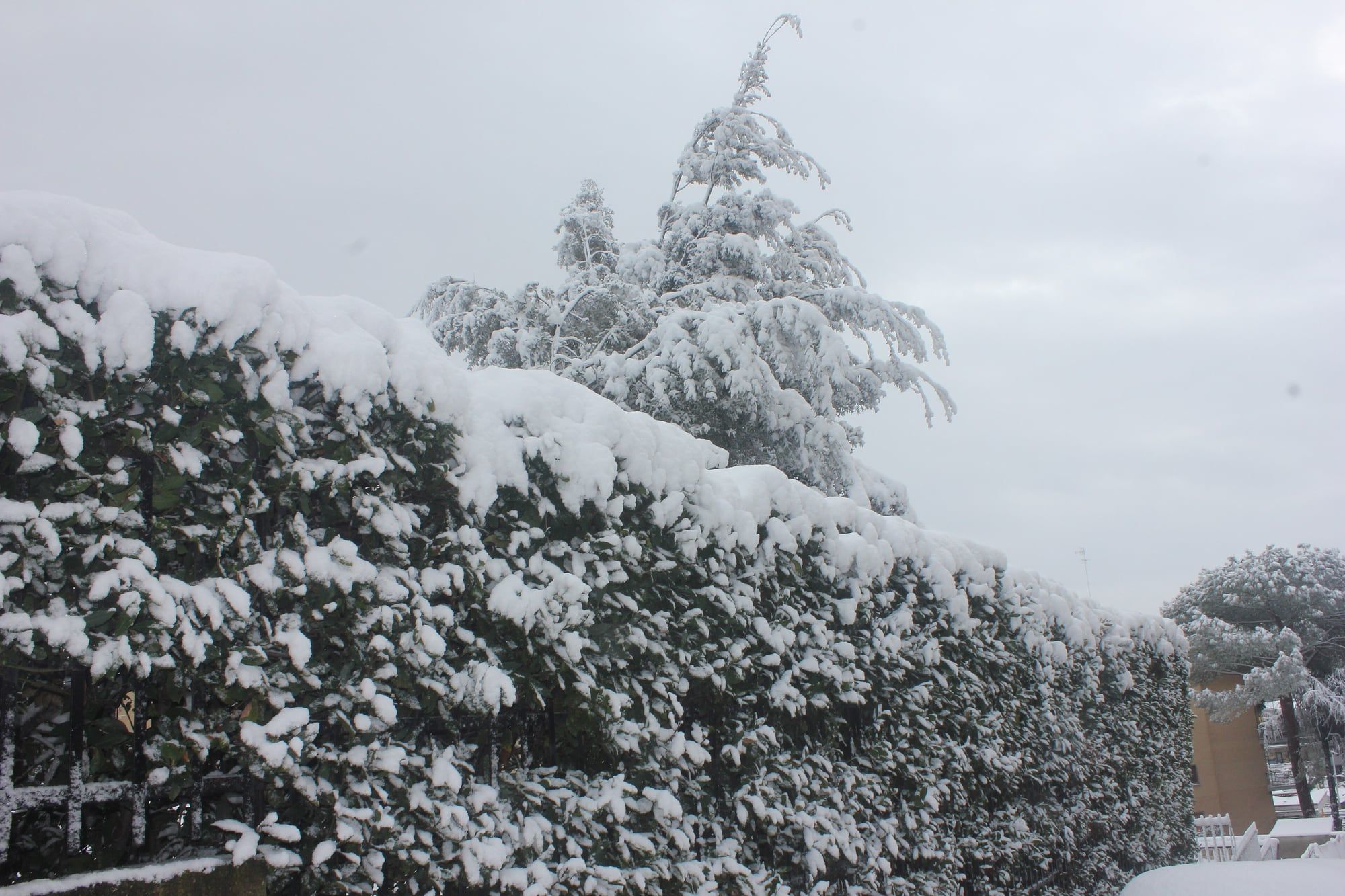
Rome’s coldest month is mild by northern standards. Average highs are 12°C, lows 3°C, and the sea keeps extremes in check: the centre rarely drops below freezing, and snow that settles happens perhaps once a decade. Count on about eight rain days and roughly 70 mm of rain, delivered as short fronts rather than week-long grey. Between fronts, January produces the clearest skies of the year, with the Alban Hills visible from the Janiculum.
Wind is the factor that surprises people. The tramontana, a dry north wind, can make a sunny 11°C feel like 6°C on open ground at the Forum or on St Peter’s Square. Narrow streets in the centre are sheltered; the Palatine and the Colosseum upper tiers are not.
Daylight
Sunrise is around 7:35 at the start of the month and 7:25 at the end; sunset moves from 16:55 to 17:25. That gives 9–10 hours of usable light. Plan outdoor archaeology for 9:00–15:30 and keep churches, museums and food for the late afternoon. The upside: golden hour on the Forum comes at 16:00, when you would be there anyway.
Crowds and queues
After 6 January, January is the quietest month in Rome. Practical consequences:
- Colosseum: timed slots for the same or next day are usually available on the official site. Winter closing is 16:30, with last entry at 15:30, so book a morning slot and do the Forum after lunch.
- Vatican Museums: the 8:00 slot walks straight in, and the Sistine Chapel holds a few dozen people rather than several hundred until about 10:30. Wednesday mornings are even quieter, because visitors are at the papal audience.
- Borghese Gallery: still capped at 360 per two-hour slot, but bookable two or three days ahead instead of two weeks.
- Trevi Fountain, Pantheon: busy at midday, calm before 9:30 and after 18:00.
Late January is also when guided tours run at their smallest: the same Colosseum tour that carries 25 people in May often leaves with 8–10, which is a better product for the same price.
Prices and hotel season
This is the bottom of the hotel year. Three-star rooms in the centre that cost €180 in May list at €90–110 from 7 January; four-star drops from about €280 to €150–170. Flights from northern Europe are cheap outside the first weekend. Tours discount less, but you will find last-minute private tours at close to small-group rates because guides have empty calendars.
What is open, what is closed
- 1 January: Colosseum, Forum, Vatican Museums, Borghese and all state museums closed. Restaurants open for a long lunch. The Pope’s Angelus is at noon in St Peter’s Square.
- 6 January: Vatican Museums closed. Colosseum, Forum and state museums open, Epiphany-busy.
- Every Monday: most civic and state museums closed as usual; the Colosseum and Vatican Museums open.
- Sundays: Vatican Museums closed, except the last Sunday of the month (free, 9:00–14:00). The Colosseum is free on the first Sunday, which in January 2026 is the 4th — expect long lines.
Winter opening hours apply all month: the Colosseum closes at 16:30, the Forum and Palatine likewise. The Vatican Museums stay on their year-round schedule, 8:00–19:00 Monday to Saturday.
Events in January
Befana, 6 January. Rome’s Christmas season ends with the Befana, the witch who fills stockings. Piazza Navona keeps its stalls until the evening of the 6th, and the Viva la Befana procession of costumed figures walks Via della Conciliazione to St Peter’s Square mid-morning, timed to the papal Angelus. Read the full holiday rundown in Christmas and New Year in Rome.
Winter sales. Lazio’s saldi begin in early January, usually the first weekend after Epiphany, and run for about six weeks. Via del Corso, Via Cola di Rienzo and Via Nazionale are the main streets; see the shopping guide for outlets.
17 January, Sant’Antonio Abate. Animal blessing at Sant’Eusebio on Piazza Vittorio — small, local, worth ten minutes if you are nearby.
Opera and concerts. The Teatro dell’Opera winter season and the Accademia di Santa Cecilia at the Auditorium Parco della Musica are in full swing, with tickets easier to get than in spring. Options in shows and concerts.
What to pack for Rome in January
- A warm, wind-proof coat; a down jacket is not excessive on tramontana days.
- Layers: merino or fleece under the coat, because museums are heated to 20°C.
- Waterproof shoes with grip — sampietrini cobbles are slippery when wet.
- Compact umbrella, scarf, light gloves.
- Sunglasses. January sun sits low and hits you in the face all afternoon.
What to book in January
Booking pressure is low, but three things are still worth reserving.
- Vatican Museums early entry. A Vatican Museums and Sistine Chapel guided tour with the first slot gives you the chapel at its emptiest all year. Details in the Vatican Museums guide.
- Colosseum, Forum and Palatine in one morning. Short days reward efficiency; the three-site guided tour finishes by 13:00. See the Colosseum guide.
- An evening food tour. Dark by 17:30 makes a Trastevere food tour the natural evening plan — warm trattorias, no queues. Compare formats in food tours.
Add the Borghese Gallery for a rainy afternoon and the catacombs for a cold one — both sit at a constant 15°C.
Next month, previous month
January leads into February, which is just as cheap, a degree warmer and adds Carnival. If you are weighing the Christmas weeks instead, read December. For the full year at a glance, go back to best time to visit Rome.